
 By
By 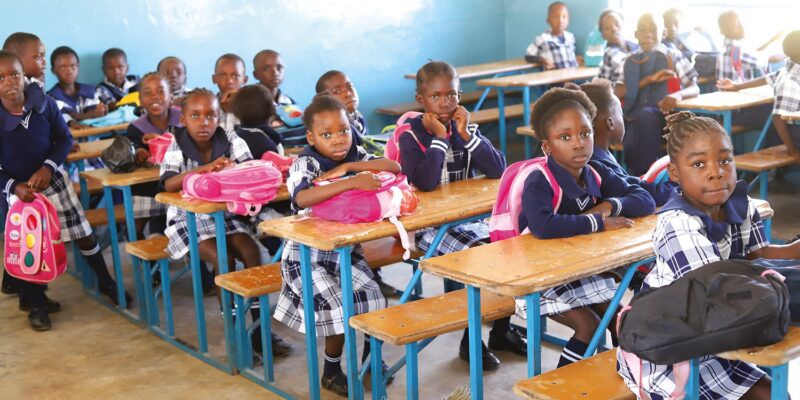
The National Action for Quality Education in Zambia (NAQEZ) has raised concern over what it describes as alarming levels of learning poverty among children, warning that the crisis is undermining the quality of education in the country.
According to the World Bank and other assessments, about 98 percent of children in Zambia are affected by learning poverty, making the country one of the worst-affected globally.
Learning poverty is defined as the inability to read and write by the age of 10.
NAQEZ Executive Director, Dr. Aaron Chansa, said in a statement on Sunday that the Southern and Eastern African Consortium for Monitoring Education Quality (SACMEQ) established that Zambian learners in grade six, based on literacy and numeracy skills, were only at the level of grade three.
He added that this situation has directly compromised the quality of education nationwide.
“UNICEF reports on education in Zambia indicate that one of the most pressing issues is the declining quality of education due to overcrowding in most classrooms across the country,” Chansa said.
He attributed the learning crisis to inadequate education infrastructure, poor access to early childhood education, poverty, insufficient teaching and learning materials, weak literacy programs, underfunding, and a demotivated teaching workforce.
Ahead of World Literacy Day on September 8, Chansa urged the Ministry of Education to urgently strengthen foundational learning provision, motivate literacy teachers, and adequately resource literacy programs.
“Towards Vision 2030, we are afraid the country will not achieve most of her social and economic targets if learning poverty is not addressed,” he warned.











Comments