
 By
By 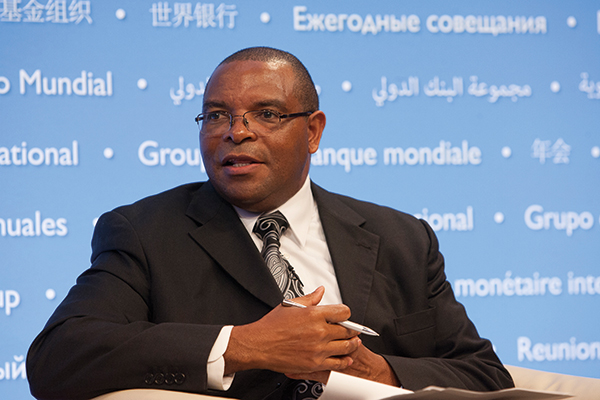
The Bank of Zambia (BoZ) has reported a steady increase in Foreign Direct Investment (FDI) inflows into the country, reflecting growing investor confidence and economic activity.
According to the central bank, FDI inflows rose from US$394.2 million in 2021 to US$641.1 million in 2023, with projections indicating a further increase to US$1.18 billion in 2024.
Speaking during the Monetary Policy Rate quarterly briefing on Wednesday, BoZ Governor Denny Kalyalya said the upward trajectory in FDI had been consistent since 2020, except for a brief dip in 2022.
“Except for 2022, FDI inflows have grown steadily since 2020, from US$394.2 million in 2021 to US$641.1 million in 2023 and are estimated at US$1,178.1 billion in 2024,” Kalyalya said.
He explained that the decline in 2022 was due to dividend payouts, which resulted in a net outflow of US$65.1 million. Excluding these payouts, net FDI inflows for that year stood at US$831 million.
Kalyalya further clarified that FDI inflows were recorded as liabilities in the balance of payments since they represent claims by foreign investors on domestic enterprises.
“When a foreign investor invests in Zambia, it creates a financial obligation for the Zambian enterprise, as ownership lies with the foreign investor. Inward FDI is therefore classified as a liability, while outward FDI—investments by Zambians abroad—is considered an asset,” he said.
On the foreign exchange market, Kalyalya reported that the Kwacha continued to appreciate in the third quarter, albeit at a slower pace. The currency gained 3.1 percent against the US dollar, down from 14.4 percent in the previous quarter.
He attributed the slower appreciation to increased demand from the energy sector and the conversion of maturing government securities by non-resident investors.
“The Kwacha appreciated further by 3.9 percent in October, mainly supported by increased foreign exchange supply from the mining sector. A weaker US dollar also contributed to the currency’s strength,” Kalyalya said.
He noted that the mining sector remained the largest source of foreign exchange, with US$440.5 million sold directly to the market in the third quarter, up from US$418 million in the previous quarter.
Meanwhile, US$196.3 million was remitted directly to BoZ for tax obligations, compared to US$262.1 million in the second quarter.
WARNING ! All rights reserved. This material, and other digital content on this website, may not be reproduced, published, broadcast, rewritten or redistributed in whole or in part without prior express permission from ZAMBIA MONITOR.





Comments