
 By
By 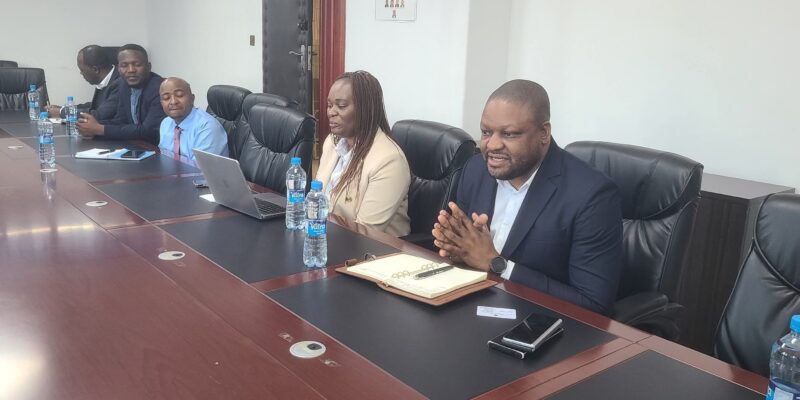
The government has acknowledged persistent challenges in Zambia’s fisheries sector, including inadequate infrastructure for fish trade, low compliance with regulations, and continued use of destructive fishing methods.
However, Ministry of Fisheries and Livestock Permanent Secretary, Max Choombe, noted the sector’s strong potential, citing a growing entrepreneurial culture, an enabling policy environment, and increased aquaculture production as key strengths.
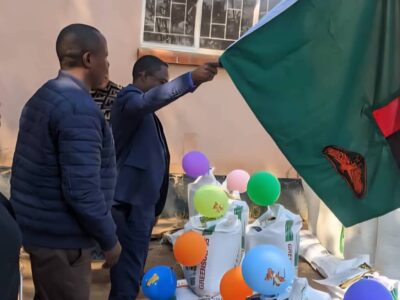
Speaking during the National Fisheries and Fish Feed Stakeholders Forum held on Tuesday in Lusaka—where his speech was delivered by Assistant Fisheries Director Mbumwai Mbewe—Choombe emphasised that the fisheries sub-sector was central to Zambia’s broader development agenda.
It features prominently in the Eighth National Development Plan, the National Fisheries and Aquaculture Policy, the National Blue Economy Strategy, and the Comprehensive Agricultural Transformation Support Programme.
“Government remains committed to playing a catalytic role in shaping a sustainable fisheries and aquaculture subsector,” Choombe said, outlining priorities such as modernising infrastructure, promoting value addition, and strengthening legal and institutional frameworks in line with regional agreements including SADC, the African Continental Free Trade Area (AfCFTA), and the African Union’s fisheries policies.
He also highlighted plans to support research, facilitate access to finance and markets—particularly for women and youth entrepreneurs—and promote public-private partnerships, community engagement, and regional collaboration to unlock domestic and cross-border opportunities.
Looking ahead, Choombe expressed government’s vision for an inclusive, resilient, and diversified fisheries sector that creates jobs, boosts exports, enhances food security, and ensures ecological sustainability.
He urged stakeholders to invest in youth- and women-led enterprises and innovations, and to adopt regional best practices to expand Africa-wide market access under AfCFTA.
At the forum, AfCFTA Director for the Private Sector Unit, Themba Khumalo, called for women and youth to be leaders—not just participants—in transforming the sector.
He shared progress from ongoing programmes that had reached over 11,500 individuals (66 percent women), trained 4,700 people in value-added techniques, and onboarded 252 youths to a free Africa-specific aquaculture training platform.
WARNING! All rights reserved. This material, and other digital content on this website, may not be reproduced, published, broadcast, rewritten or redistributed in whole or in part without prior express permission from ZAMBIA MONITOR.






Comments