
 By
By 
The African Civil Aviation Commission (AFCAC) and COMESA have called for the elimination of high aviation charges, unjustified fees, and restrictive visa regimes to enable countries such as Zambia to fully benefit from the Single African Air Transport Market (SAATM).
According to AFCAC’s 2021 study on the benefits of SAATM, full liberalisation would increase intra-African air traffic by over 50 percent and reduce fares by up to 26 percent.
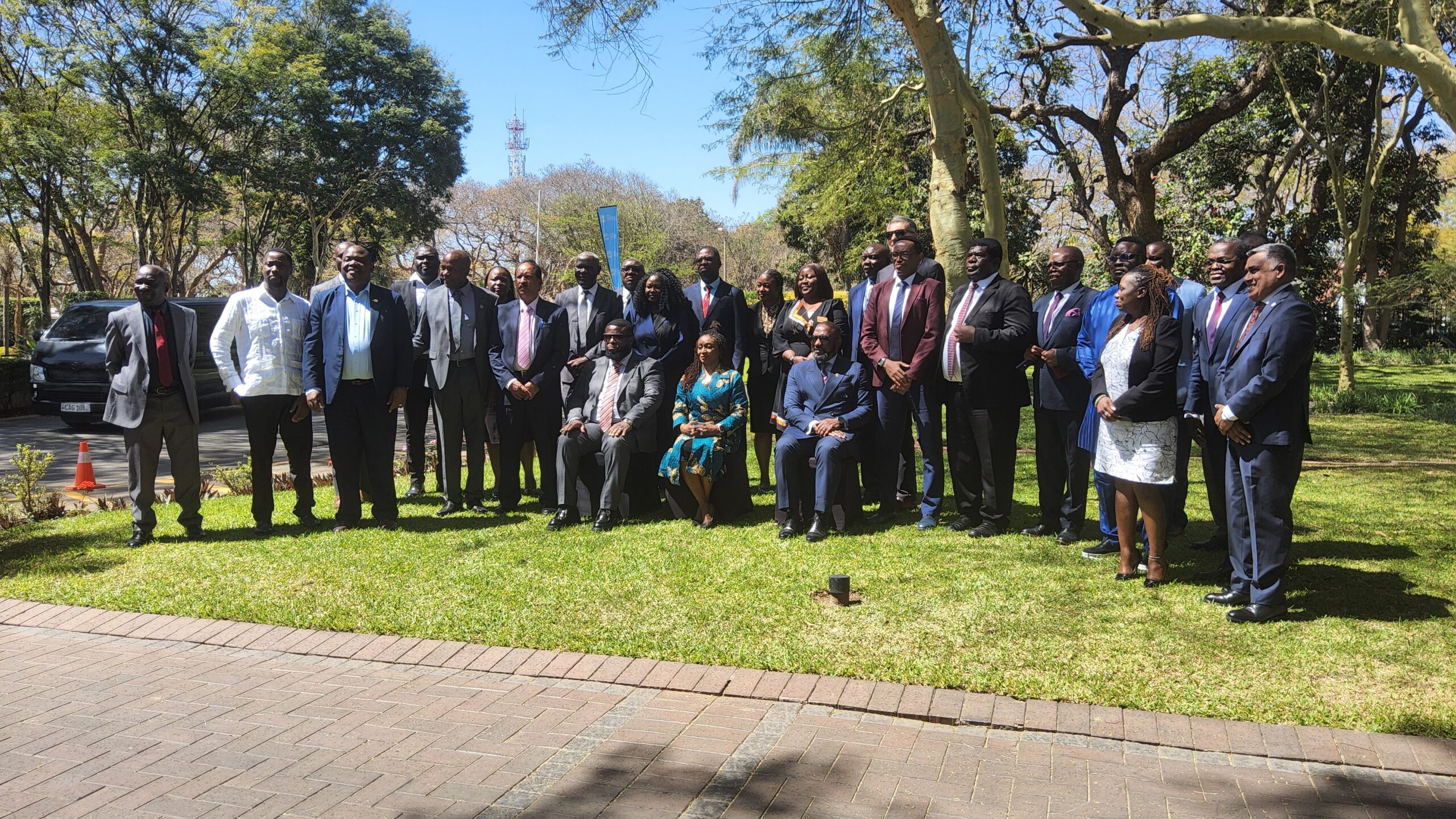
AFCAC Secretary General, Adefunke Adeyemi made the remarks on Tuesday at the official opening of the SAATM Pilot Implementation Project (PIP) Airshow in Lusaka, held at Pamodzi Hotel.
She highlighted that SAATM could contribute more than US$4.6 billion to Africa’s GDP while creating nearly 60,000 jobs continent-wide.
Adeyemi urged African states, including Zambia, to strengthen regulatory frameworks, enforce SAATM regulatory texts, promote 5th Freedom Traffic Rights, and support cross-border airline partnerships.
“Improved connectivity would support trade, tourism, and regional integration—goals Zambia and COMESA hold dear,” Adeyemi said.
She noted that Zambia, one of the first 11 countries to sign the Solemn Commitment to SAATM, had already shown the leadership and foresight necessary to position itself as a regional air transport hub.
Hosting the SAATM-PIP Airshow, she added, reaffirmed Zambia’s commitment to the initiative, with the potential to create 48,000 new jobs domestically by 2030.
Adeyemi further stated that SAATM offered Zambia access to 37 markets, adding that the country ranked 24th in Africa for visa openness, according to 2024 records.
Her remarks were echoed by COMESA Assistant Secretary General for Administration and Finance, Dr. Dev Haman, who noted that the bloc had long championed liberalised air transport.
“Legal Notice No. 2 of 1999 laid the foundation for air transport liberalisation in the region, years before the launch of SAATM in 2018,” Haman said.

He pointed to initiatives such as the COMESA Seamless Upper Airspace Project and the SATSD programme as evidence of the bloc’s commitment to creating an efficient, safe, and sustainable air transport system.
Haman stressed the urgency of reforms, noting that Africa’s passenger numbers were projected to reach 356 million by 2040.
Evidence, he added, showed that open skies policies could reduce airfares by up to 25 percent and increase passenger traffic by as much as 35 percent in liberalised markets.
Read More: Zambia set to host African aviation safety meeting in Lusaka
Similarly, Massimo Bonannini, Head of Infrastructure at the European Union Delegation to Zambia and COMESA, said aviation remained a strategic sector under the EU’s €300 billion Global Gateway Strategy.
“In Zambia, for example, the EU has provided more than €8 million over the last 15 years to support safety, policy, and regulatory reforms in the aviation sector,” Bonannini said.
He added that the EU had allocated €100 million over the past decade for aviation-related projects worldwide, including €20 million across four programmes in Africa, with a new €10 million initiative on safety, regional integration, and sustainable aviation fuel (SAF) expected to begin this year.
Meanwhile, Minister of Transport and Logistics Frank Tayali said Zambia was ready to anchor a tri-regional aviation network linking Southern, Central, and Eastern Africa.
“With Tanzania and the Democratic Republic of Congo now fully engaging with SAATM, Lusaka can serve as the central hub, while Ndola becomes the mining and industrial air gateway,” Tayali said.
He outlined benefits for Zambia as including the launch of more than 20 new intra-African routes by 2028, 40–50 percent passenger growth, a 35 percent reduction in fares within three years, a 30–35 percent increase in air cargo exports, and thousands of new jobs in aviation, logistics, and tourism.
WARNING! All rights reserved. This material, and other digital content on this website, may not be reproduced, published, broadcast, rewritten or redistributed in whole or in part without prior express permission from ZAMBIA MONITOR.











Comments