
 By
By 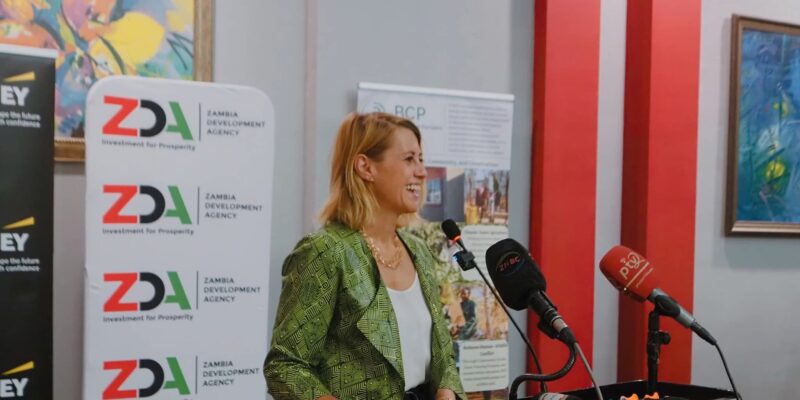
Zambia will be one of 11 beneficiary countries in a £30 million regional project on Responsible Business Conduct in Africa, the European Union (EU) has announced.
The project, which is currently being prepared, will focus on strengthening the policy and regulatory environment in line with internationally agreed norms and principles, according to EU Ambassador to Zambia and the Common Market for Eastern and Southern Africa (COMESA), Karoline Stasiak.
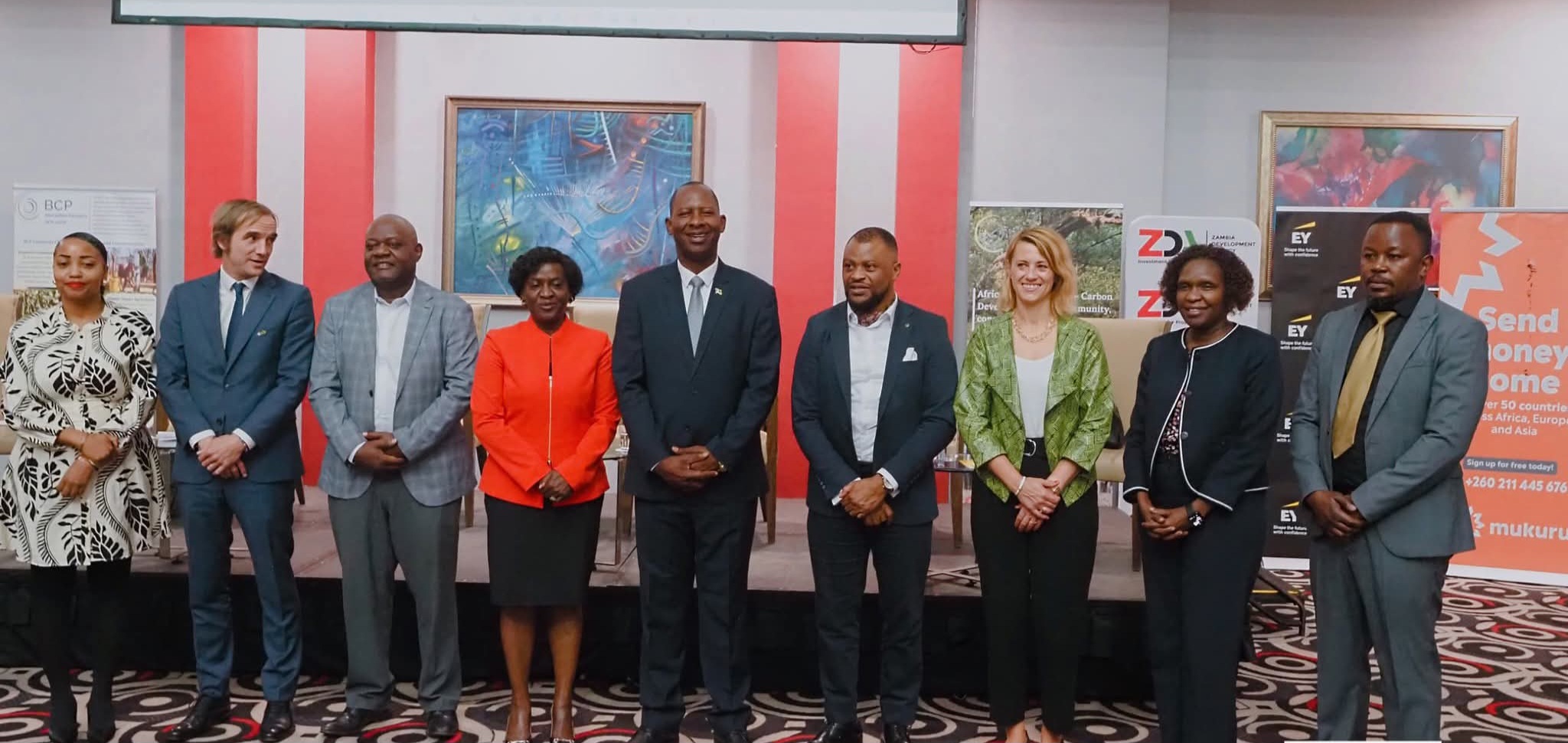
Stasiak made the announcement during the Zambian National ESG and Sustainability Summit (ZNESS), held at the Radisson Blu Hotel in Lusaka on Thursday.
She said the project would provide capacity-building support to companies to identify, address, and mitigate potential environmental and human rights impacts arising from their operations, business relationships, and supply chains.
“It will also include frameworks for remediation mechanisms allowing effective access to remedy to victims of business-related abuses,” Stasiak stated.
She emphasized that economic progress should not come at the expense of human rights or the environment, but rather should support them.
Stasiak further revealed that the EU was dedicating £1 million to specific actions on business and human rights in Zambia.
“It will focus on helping the communities be aware of their rights, understand them, and the same for businesses: how to uphold human rights in their economic activity and what happens if they do not,” she said.
In addition, another £6 million project will promote accountability, access to justice, and equality for local communities in Zambia’s mining areas, ensuring that investments are inclusive and sustainable.
Charity Lumpa, Chairperson of ZNESS 2025, highlighted that over the past three decades, Zambia had suffered economic losses exceeding US$13 billion from floods, droughts, and other climate-related incidents.
“These figures are not mere statistics but represent disrupted livelihoods, lost investments, and the pressing need for decisive action today,” she said.
“Environmental, Social and Governance, ESG, is not a passing buzzword. It is a framework for long-term value – for protecting our planet, empowering our people, and ensuring transparent and accountable governance,” she said.
Lumpa noted that ESG linked directly to Zambia’s Nationally Determined Contribution Implementation Framework (2023–2030), the National Green Growth Strategy, and the Bank of Zambia’s Green Loans Guidelines (2023).
“These policies set the stage for a green, inclusive, and low-carbon economy, and the private sector, from large corporations to vibrant SMEs, holds the key to translating these policies into measurable impact,” she said.
Read More: Climate change threatens Zambia’s food security, warns advocate
“Already, 90 percent of Zambian banks have integrated sustainability factors into their strategies, and nearly half of our mining houses align their reporting with global sustainability standards,” Lumpa said.
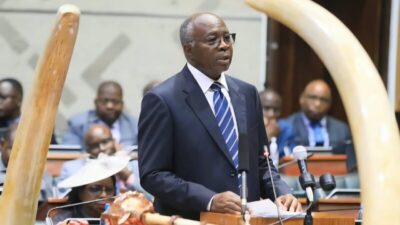
Meanwhile, in a speech read on her behalf by Minister of Green Economy and Environment Mike Mposha, Vice President Mutale Nalumango stressed the importance of fostering an inclusive society where every Zambian has the chance to thrive.
“ESG principles compel us to ensure that our economic growth translates into tangible improvements in the lives of ordinary citizens,” Nalumango said.
“Governance is the bedrock of trust and stability. Transparency, accountability, and the fight against corruption are non-negotiable. A strong governance framework attracts investments, fosters a predictable business environment, and ensures that resources are utilized for the benefit of all Zambians,” she said.
“It is about building strong institutions that are robust, fair, and responsive to the needs of our people,” she stated.
Zambia is also set to host the 4th African Business and Human Rights Forum in two weeks, aiming to advance the implementation of the UN Guiding Principles on Business and Human Rights.
WARNING! All rights reserved. This material, and other digital content on this website, may not be reproduced, published, broadcast, rewritten or redistributed in whole or in part without prior express permission from ZAMBIA MONITOR.




Comments