
 By
By 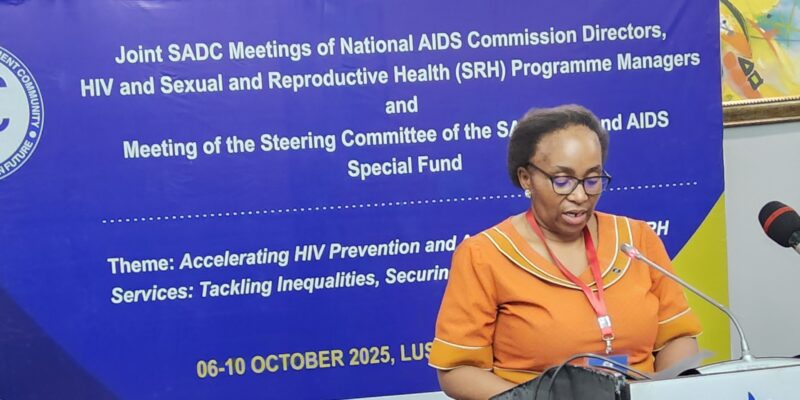
The Southern African Development Community (SADC) and UNAIDS have expressed concern over increasing HIV infections among adolescents, citing low condom use and the exchange of sex for food as key drivers.
According to SADC, condom use during the last high-risk sexual encounter among people aged 15–24 increased from 51.3 percent in 2021 to 65.8 percent in 2023 across member states including Zambia, Malawi, Madagascar, Tanzania, and South Africa.
Despite this improvement, officials warned that new infections continue to rise, particularly among adolescent girls, young women, and key populations.
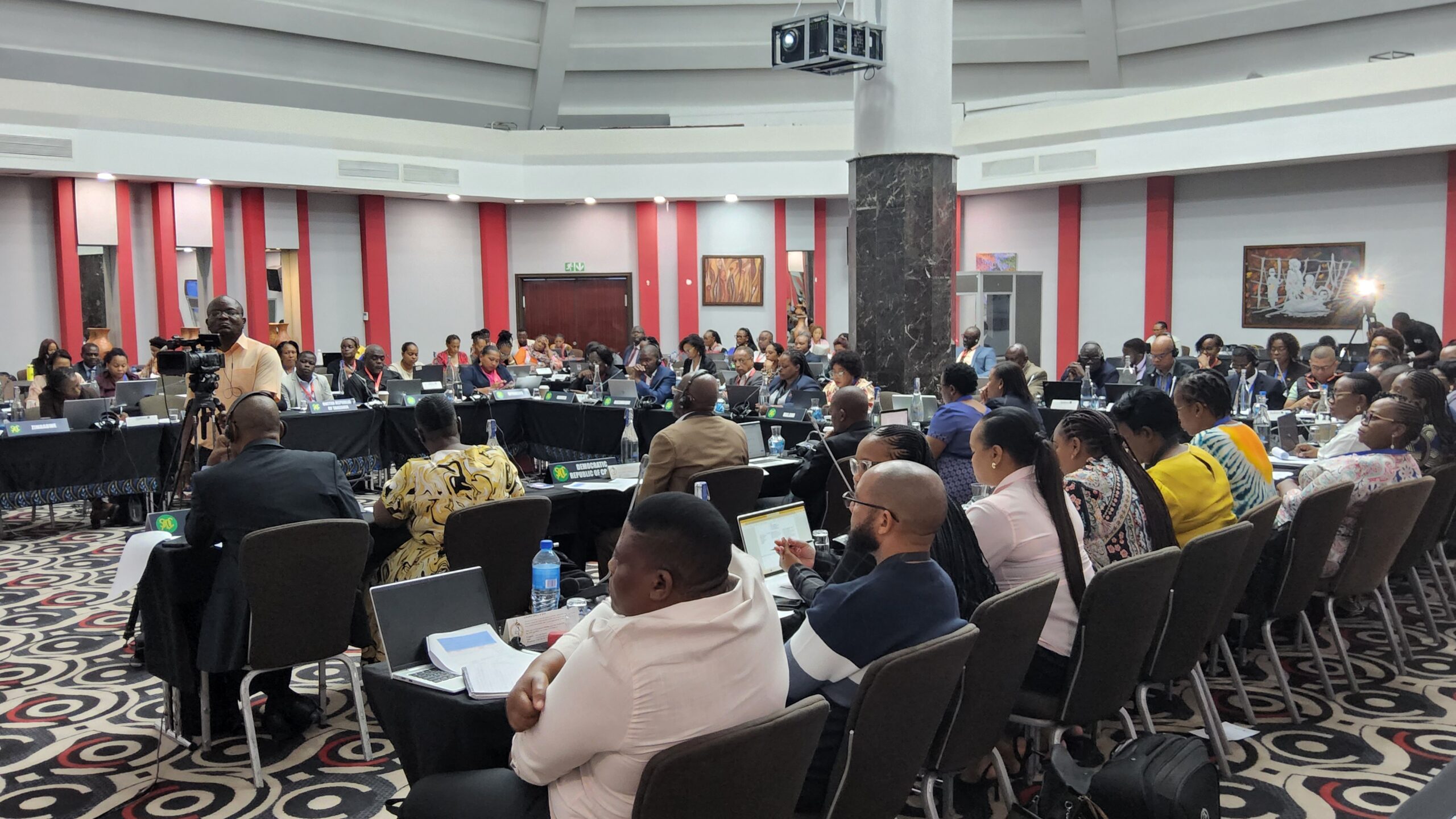
Duduzile Simelane, Director for Social and Human Capital Development at the SADC Secretariat, made the remarks during the joint SADC Meetings of National AIDS Commission Directors, HIV and Sexual and Reproductive Health (SRH) Programme Managers, and the Steering Committee of the SADC HIV and AIDS Special Fund.
The meeting was held at the Radisson Blu Hotel in Lusaka under the theme: “Accelerating HIV Prevention: Tackling Inequalities, Securing a Sustainable Response.”
“Despite commendable progress in expanding access to HIV treatment and prevention services, new infections continue to rise, particularly among adolescent girls, young women, and key populations,” Simelane said.
She highlighted that early and unintended pregnancies remained a major challenge in the region.
According to the SADC Sexual Reproductive Health Rights (SRHR) Scorecard for 2021 and 2023, maternal mortality ratios have dropped from 104 to 79.7, signaling positive progress.
However, neonatal mortality increased from 8.9 to 10 per 1,000 live births, while adolescent birth rates rose from 63.5 to 69.8 per 1,000 females.
“These are not just statistics. There are women and girls behind the numbers whose futures are at risk if they cannot complete school due to early pregnancy or poverty,” Simelane said.
She noted that six SADC member states—Botswana, Eswatini, Lesotho, Malawi, Zambia, and Zimbabwe—had already met the UNAIDS 95–95–95 targets ahead of the 2025 deadline, while Namibia and Tanzania are close to achieving the 95 percent goal.
Read More: SADC forum opens in Lusaka with call to invest in youth for demographic dividend
UNAIDS Regional Director, Dr. Anne Githuku-Shongwe echoed concerns, highlighting that some young girls agree to sex in exchange for food due to high household poverty. She said UNAIDS is gradually transitioning responsibilities to governments, communities, and regional entities.
“We must build sustainable, locally driven solutions. That means increasing domestic investment through national budgets, health insurance, and innovative financing mechanisms,” Shongwe said.
She emphasized that sustainability is not just about funding but also about self-reliance. Shongwe called for pooled regional procurement and local production of essential commodities such as condoms, sanitary pads, and family planning products.
“When our youth access affordable, locally made products through African systems, we build resilience and regional solidarity,” she said.
Shongwe urged SADC member states to increase domestic financing for HIV prevention by at least 30 percent within three years, and to integrate HIV prevention into primary health care (PHC), universal health coverage (UHC) benefit packages, and national health insurance schemes.
“The time has come for a renewed SADC commitment for HIV prevention and sustainability—a political pact that signals the region’s collective resolve to protect the next generation,” she stated .
WARNING! All rights reserved. This material, and other digital content on this website, may not be reproduced, published, broadcast, rewritten or redistributed in whole or in part without prior express permission from ZAMBIA MONITOR.











Comments