
 By
By 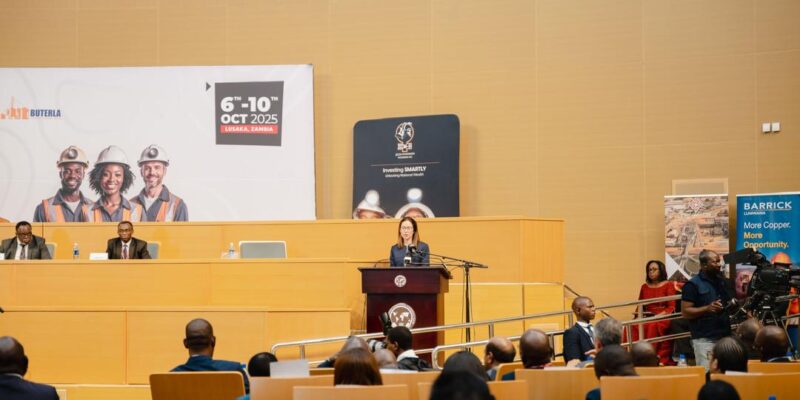
The United Kingdom has reaffirmed its support for Zambia’s mining sector, pledging US$2.5 billion in private sector investment and technical assistance to strengthen sustainable mining, clean energy development, and local value chains.
Delivering remarks at the 2025 Zambia Mining and Investment Insaka, Rebecca Terzon, British High Commissioner to Zambia, said the UK is committed to helping Zambia harness its mineral wealth responsibly while promoting inclusive economic growth.
“This forum provides a platform for strategic dialogue, innovation, and collaboration, shaping the future of sustainable mining in Zambia and across Africa,” she said.
Read more: Zambia attracts over $12 billion in mining investment, as sector hits historic milestones
Highlighting Zambia’s progress in mineral exploration, Terzon commended the government for its high-resolution aerial geophysical survey in the Western and North-Western provinces, describing it as a critical step in improving data-driven exploration and enhancing investor confidence.
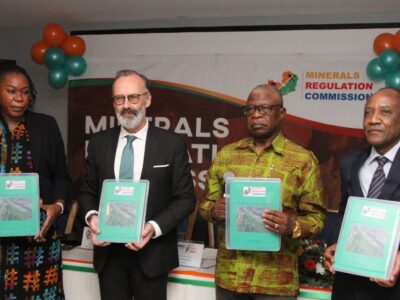
She also welcomed the operationalization of the Minerals Regulatory Commission, which she said would strengthen governance, transparency, and security of tenure for investors.
The UK–Zambia partnership is anchored in a Critical Minerals Memorandum of Understanding (MOU) signed in 2023, which focuses on responsible exploration, development, production, and processing of strategic minerals such as copper, cobalt, lithium, and rare earth elements.
The agreement also aims to maximize SME participation across mining value chains and promote ethical and transparent supply chains essential for clean energy technologies.
Terzon noted that Zambia recently joined the G20 Global Clean Power Alliance (GCPA), enhancing collaboration between governments and industry to develop sustainable clean energy supply chains.
She stated that the UK was providing targeted technical support and facilitating investment to help Zambia leverage its resources for economic growth and social development.
Terzon highlighted Zambia’s favorable investment climate, noting that the country now represents the UK’s largest pipeline of commercial mining interests in Africa.
“The emphasis on local content, artisanal and small-scale mining, and higher education engagement is critical for inclusive growth, skills development, and employment creation,” she said.
The new Mining Code, she added, provided dedicated support to artisanal and small-scale miners who had historically faced operational challenges.
Terzon stated the importance of ESG principles — environmental, social, and governance standards — in shaping a resilient, responsible, and sustainable mining sector.
“Together, let us build a mining sector that is not only profitable but principled — one that uplifts people, protects the environment, and contributes to a more equitable and sustainable world,” she said.
WARNING! All rights reserved. This material, and other digital content on this website, may not be reproduced, published, broadcast, rewritten or redistributed in whole or in part without prior express permission from ZAMBIA MONITOR.





Comments