
 By
By 
The Southern African Development Community (SADC) preliminary Electoral Observation Mission (SEOM) report on Tanzania’s 2025 general election has raised serious concerns over electoral violence, intimidation, and an uneven political environment.
The preliminary statement highlights reports of abductions and arrests of opposition activists and leaders, including Tundu Lissu of CHADEMA and Luhaga Mpina of ACT-Wazalendo.
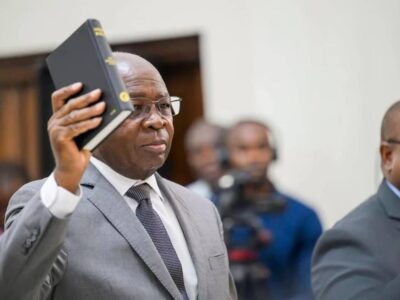
SEOM team leader and former Malawian Speaker of Parliament, Richard Msowoya, revealed this in a statement issued in Lusaka on Monday.
In the report, Msowoya noted that the disqualification of opposition candidates created an uneven playing field and discouraged political participation.
He added that some stakeholders said the “calm” environment was not due to peace but rather “a result of covert intimidation and fear.”
“Restrictions on Electoral Justice: Article 41(7) of the Constitution bars courts from challenging presidential election results. Article 74(12) prevents courts from reviewing the Electoral Commission’s actions,” Msowoya cited.
He said both provisions blocked transparency, accountability, and judicial recourse — contradicting SADC’s democratic principles.
Msowoya further claimed that the independence of the Electoral Commission was compromised since the President, who also served as ruling party Chairperson and presidential candidate, appoints the Commissioners — raising doubts about their neutrality.
“Internet Shutdown and Information Blackout: The internet was cut off on election day, halting communication and preventing SEOM from gathering or transmitting data on polling, counting, and closing processes,” the report highlighted.
According to Msowoya, SEOM observers were interrogated by security forces, had their passports temporarily seized, and were forced to delete photographs in Tanga.
He added that accreditation delays and missing introduction letters also hindered the mission’s work.
The report cited censorship of online platforms and restrictions on media freedom, noting that state-owned media overwhelmingly favoured the ruling party, while private outlets self-censored out of fear of losing their licences.
“Low Voter Turnout and Suspicious Voting Practices: The mission recorded very low turnout across polling stations. Some ballot boxes showed multiple stacked ballots, suggesting possible ballot stuffing,” he said.
Msowoya further revealed that some established NGOs were denied accreditation for voter education, while funding reductions and late accreditation announcements negatively affected civic education quality.
He added that heavy police presence, especially in Dar es Salaam, sometimes outnumbered voters, with reports of officers firing guns in several regions including Mbeya, Dodoma, Arusha, and Dar es Salaam.
“Constitutional Limitations on Independent Candidates: Laws prevent citizens who are not affiliated with political parties from running for office, restricting political choice and freedom of association,” Msowoya said.
SEOM also observed the absence of local election observers in most polling stations. The mission was unable to issue its statement within the usual two days due to security and communication challenges, underscoring what it described as a tense and repressive environment.
SEOM determined that voters could not freely express their democratic will and that the 2025 Tanzanian elections fell short of SADC’s Principles and Guidelines Governing Democratic Elections.
WARNING! All rights reserved. This material, and other digital content on this website, may not be reproduced, published, broadcast, rewritten or redistributed in whole or in part without prior express permission from ZAMBIA MONITOR.




Comments