
 By
By 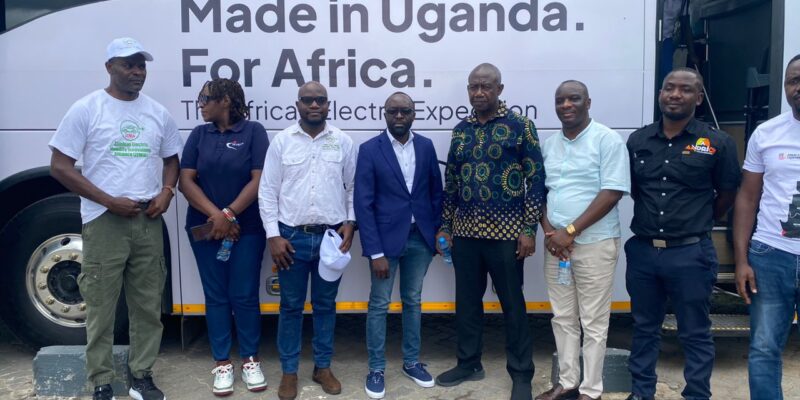
Kabayo Muhau, leader of the Zambia Electric Mobility Innovation Alliance (ZEMIA), says Zambia is positioning itself at the forefront of Africa’s electric mobility transition as government, industry leaders, and regional partners intensify efforts to introduce electric buses and vehicles into the country’s public transport system.
Muhau said the move to electric transport could save the country billions of dollars currently spent on fuel imports while lowering transport costs for citizens.
Speaking during the “Made in Uganda for Africa” electric bus expedition at East Park Mall on Saturday, Muhau highlighted that Zambia spent more than US$2 billion annually on fuel imports, a cost that electric vehicles (EVs) could significantly reduce.
Read more: Electric vehicle imports reportedly surge 1,345% after Zambia scraps customs duties
“For the past three years, our focus has been to drive the adoption of electric vehicles in Zambia so that both government and citizens can benefit from the savings. Electrifying public transport can lead to substantial cost reductions,” Muhau said.
Bus operators participating in trials have confirmed potential savings of up to 80 percent on operating costs.
Secretary to the Cabinet Patrick Kangwa, who rode one of the electric buses, said the experience demonstrated that electric mobility was a practical alternative to diesel transport.
“The comfort, quietness, and efficiency of the bus demonstrate its potential. Government will create an enabling environment for the transport sector to move from diesel to electric,” Kangwa said.
Kangwa added that Zambia was exploring partnerships with Ugandan manufacturers behind the electric bus expedition to accelerate deployment. He noted that government institutions, including public transport operators, could soon integrate electric buses into their fleets.
Skills development is a key component of the transition. TEVETA Director of Training and Research, Phyllis Kasonkomona, said her institution was developing competency frameworks and curricula to ensure Zambia produced technicians capable of maintaining electric vehicles.
“Our role is to ensure we have skilled technicians to support this growing industry. This is an opportunity for Zambia to build local expertise while adopting best practices from within Africa,” Kasonkomona said.
WARNING! All rights reserved. This material, and other digital content on this website, may not be reproduced, published, broadcast, rewritten or redistributed in whole or in part without prior express permission from ZAMBIA MONITOR.








Comments