
 By
By 
Morocco has unexpectedly withdrawn as hosts of the 2026 Women’s Africa Cup of Nations (WAFCON), a dramatic move coming barely two months before the tournament is scheduled to kick off and in the shadow of lingering controversy from the chaotic 2025 Africa Cup of Nations final.
South Africa was confirmed as the replacement host on Sunday night. The announcement was made by the country’s Deputy Minister of Sport, Arts and Culture, Peace Mabe, during the Super League Awards ceremony in Johannesburg.
“Tonight I would like to announce that South Africa will be hosting the 2026 WAFCON, which we all know is a qualifying tournament for the 2027 Women’s World Cup in Brazil,” Mabe said, as reported by AfricaSoccer.com.
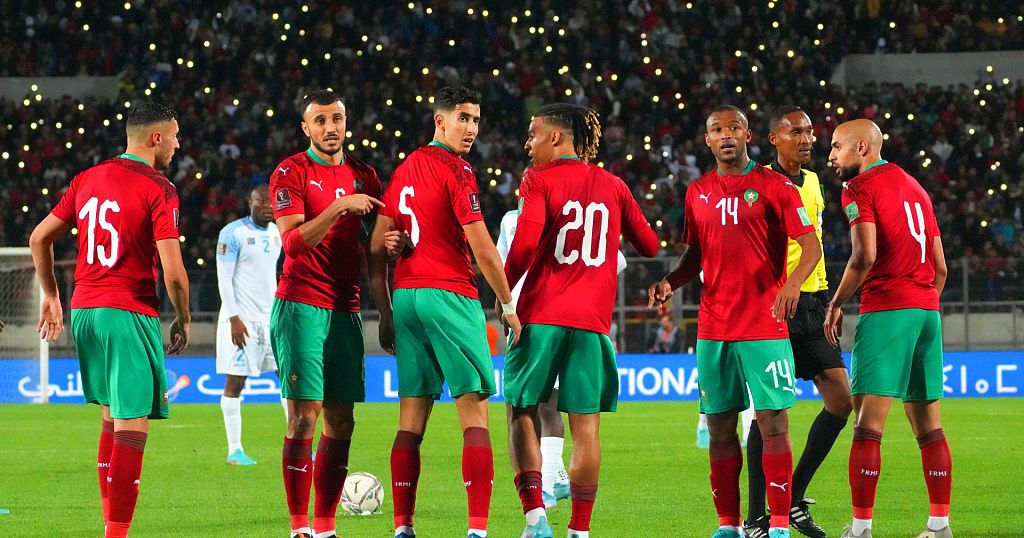
No official explanation has been issued by Moroccan authorities, but the decision follows weeks of intense public anger and political debate after Morocco’s 1-0 loss to Senegal in the AFCON final in Rabat — a match that descended into disorder and left deep divisions in its wake.
That final, played only weeks ago, was overshadowed by protests, a temporary walk-off by Senegalese players, confrontations involving supporters, and a string of disciplinary sanctions from the Confederation of African Football (CAF).
Although Senegal claimed the title, the chaotic scenes marred what had been intended as a flagship event for African football, hosted at Morocco’s expense and under its organisational stewardship.
In the aftermath, emotions ran high across Morocco. Public discourse, both online and offline, became deeply polarised, with growing calls for the country to step back from hosting further major CAF competitions. Critics argued that Morocco had become a lightning rod for accusations and controversy despite its heavy financial and logistical investment in African football.
Read More: Tottenham and Manchester City draw 2–2 in London Premier League thriller
On the other hand, some voices across the continent accused Morocco of reacting poorly to defeat, casting the withdrawal as the act of a “bad loser” still stung by Senegal’s victory. That narrative gained traction after CAF rejected Morocco’s appeal seeking to overturn the AFCON final result — a decision that further isolated Rabat.
From Morocco’s perspective, the frustration stemmed from what many saw as a lack of appreciation for the country’s sustained commitment to African football. In recent years, Morocco has hosted multiple major CAF tournaments, investing billions in stadium upgrades, training facilities, logistics and security.
South Africa’s swift confirmation as the new host has prevented major disruption to the competition, but the late switch puts significant pressure on the country to deliver on compressed timelines. South Africa, champions in 2022, has strong infrastructure and recent experience hosting elite women’s football, yet the unexpected responsibility leaves little room for error.
The episode deepens broader questions about African football governance at a time when hosting rights have become increasingly politicised. Morocco’s withdrawal highlights the risks of CAF’s dependence on a small pool of willing and well-resourced host nations — and what might happen when that goodwill frays.
CAF has not yet commented publicly on Morocco’s withdrawal or the circumstances surrounding it.
WARNING! All rights reserved. This material, and other digital content on this website, may not be reproduced, published, broadcast, rewritten or redistributed in whole or in part without prior express permission from ZAMBIA MONITOR.









Comments