
 By
By 
Government says Zambia has lost approximately US$200 million in revenue due to the suspension of excise duty and zero-rating of VAT on petroleum products, a measure introduced to cushion citizens and businesses from rising fuel prices.
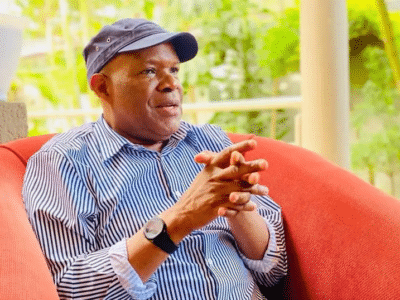
Finance and National Planning Minister, Dr. Situmbeko Musokotwane, revealed this while urging African countries to adopt broader and more strategic fiscal policies, saying the continent must move beyond merely reacting to recurring global shocks.
The minister made the remarks when he presented Zambia’s experience in navigating the war-induced global economic crisis during the IMF–World Bank Spring Meetings in Washington D.C.
Musokotwane warned that the most immediate threat facing many African economies over the next year was the possible energy crisis linked to conflict in the Gulf region, which he said could worsen inflation, raise production costs, and intensify pressure on already strained public finances.
Read more: Zambia drives reform push at 2026 Spring Meetings of IMF, World Bank
“Such a development could intensify inflationary pressures, raise production costs, and place additional strain on already constrained fiscal positions,” he said.
While noting that support from multilateral institutions such as the IMF remains important, Musokotwane said African governments must continue undertaking domestic reforms that enhance resilience and improve the effectiveness of public spending.
He cited Zambia’s decision to shift resources away from generalised fuel subsidies and instead channel them toward free education and other critical social sectors as an example of deliberate, long-term fiscal prioritisation.
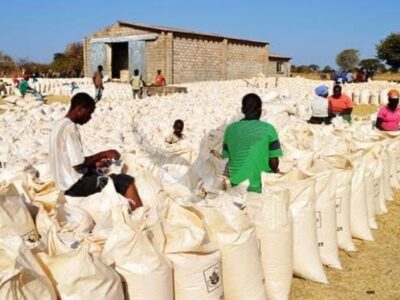
The minister also highlighted the introduction of digital systems in agricultural support programmes, saying they have improved targeting, reduced waste, and eliminated ineligible beneficiaries who previously exploited government support intended for farmers.
Musokotwane challenged African policymakers to confront the continent’s deeper structural problem—its limited productive base and shrinking share of global trade despite vast natural resources and a large youthful population.
He questioned why sectors where Africa once held a competitive advantage had declined, while other countries surged ahead through disciplined investments in productivity, skills training, manufacturing, and value addition.
“This is where fiscal policy must become more ambitious,” he said, arguing that it should not be viewed solely as a mechanism for financing budgets or cushioning crises.
Musokotwane added that nations which once lamented unfairness in the global economic system eventually transformed themselves through sustained reform, production growth, and economic diversification.
WARNING! All rights reserved. This material, and other digital content on this website, may not be reproduced, published, broadcast, rewritten or redistributed in whole or in part without prior express permission from ZAMBIA MONITOR.








Comments