
 By
By 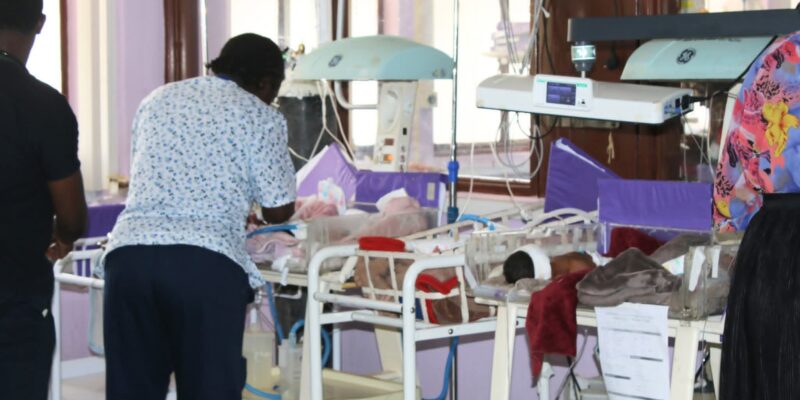
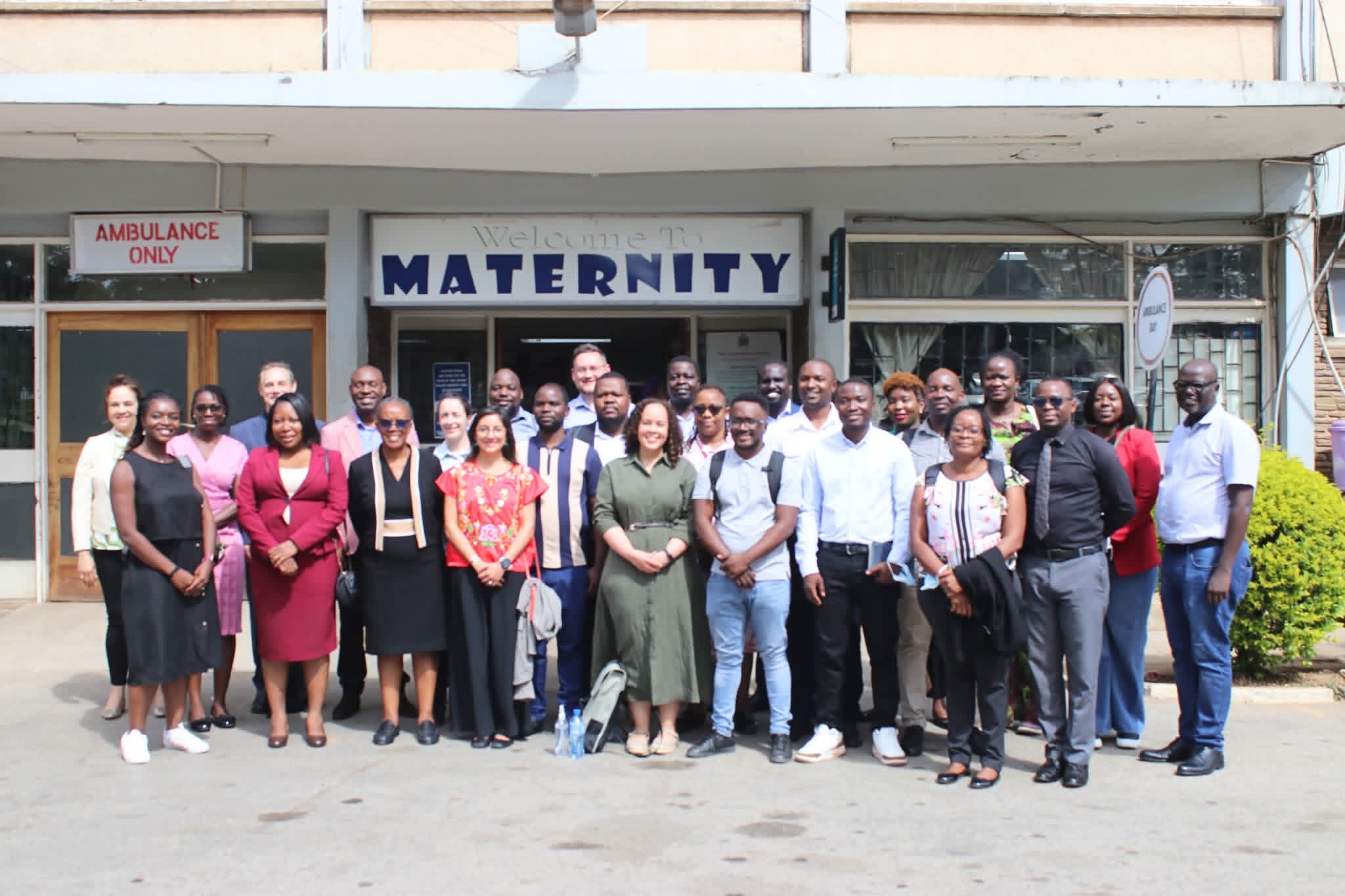
Zambia and Malawi have launched the NeoShield Programme, a multi-country implementation research initiative aimed at reducing newborn deaths in both countries.
The programme is supported by the Wellcome Trust and the Gates Foundation and is being implemented by the London School of Hygiene and Tropical Medicine in partnership with the Malawi-Liverpool Wellcome Research Programme.
Zambia National Public Health Institute (ZNPHI) Director General Professor Roma Chilengi officially launched the programme in Lusaka on Wednesday at the Radisson Blu Hotel.
The project will test gaps such as closing the need for diagnosis by ensuring blood cultures are done when indicated, and improving real-time integration of results data so clinicians can make timely decisions.
It aims to strengthen neonatal care systems and generate evidence on effective interventions to reduce preventable newborn mortality in both countries.
Chilengi said the program was structured “to try to shed more light into why that is the situation and hopefully begin to identify what works and what doesn’t work in terms of targeting this specific program.”
Read More: UN body, midwives association partner to strengthen midwifery services in emergencies
“We are hopeful that if what we believe is true – that decisions empowered with results and information will lead clinicians to make the correct decisions on time – then you should have a better outcome,” Chilengi said.
He also flagged challenges in detecting outbreaks of antimicrobial resistance in institutions, noting that “many times we don’t notice them” until mortality increases.
Chilengi cited gaps in institutional capacity to detect the outbreaks early, and highlighted poor antimicrobial stewardship driven by sheer tradition and cultural practice and a lack of evidence, and results.
He said the lack of results led clinicians to contribute to irrational use of antimicrobials and fueling drug resistance.
“Funded by Wellcome Trust and other partners, the program aims to generate evidence on these issues. We are expected to generate evidence to find out what is the truth about these issues that we are discussing,” Chilengi said.
WARNING! All rights reserved. This material, and other digital content on this website, may not be reproduced, published, broadcast, rewritten or redistributed in whole or in part without prior express permission from ZAMBIA MONITOR.









Comments