
 By
By 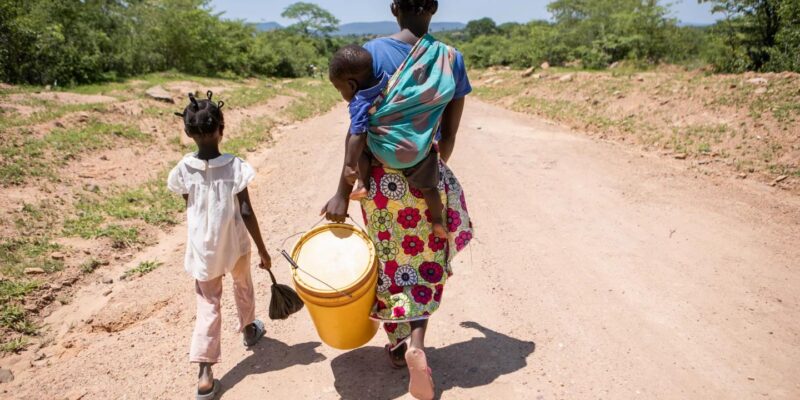
The intersection of climate change and gender-based violence is deepening vulnerabilities for women and girls in Zambia, with droughts and floods increasingly undermining sexual and reproductive health and rights, IPAS Southern Africa has said.
IPAS Southern Africa Manager for Policy and Advocacy, Timothy Banda, noted a troubling pattern of alternating disasters, with communities moving from one crisis to another, and little recovery time in between.
Banda told Zambia Monitor that the effects were most severe in rural and drought-prone areas, such as Southern and Eastern Provinces where food and water shortages force women and girls to travel long distances to meet basic household needs.
He said the burden of resource scarcity exposes women and girls to exploitation and violence, particularly in communities already struggling with poverty.
“In a drought crisis, we can find that sexual reproductive rights are compromised for women and girls. If for example there’s shortage of food it means that the women and girls then have to walk long distances to look for water but also to look for food,” Banda said.
He noted that during those journeys, women and girls often faced harassment and abuse and that in some cases people with access to food use it as leverage.
Banda described how food insecurity was also driving early marriages, disrupting the education of girls in such areas.
“We have also had circumstances where girls now are married off to men who have food, who have plenty of food,” he said.
Banda said when households had less food, girls were pulled out of school to help search for sustenance, increasing their risk of exploitation.
Read More: Zambia pushes for global action on climate change at COP-30 summit
He noted that in the process many girls found themselves in intergenerational sexual relationship where they dated an older person and in the process fell pregnant.
“So those are some of the dynamics involved in the climate change and sexual reproductive rights of women and girls,” Banda stated.
He noted that the problem was more concentrated in specific regions, citing drought-prone areas in the Southern and Eastern parts of the country which had reported a rise in such cases linked to climate stress.
Banda said flooding was creating similar risks, especially when people were displaced, moved to new locations, and women and girls must navigate unfamiliar environments with limited support and heightened insecurity.
He said government intervention remained critical during disasters, with efforts to provide food security and essential services.
He pointed out that some women and girls lacked information about available assistance, leaving them more exposed during emergencies and, therefore, called for better communication and targeted support in climate-affected communities.
Banda emphasized that addressing climate change impacts required more than disaster relief, suggesting that protecting the sexual and reproductive rights of women and girls should be integrated into climate adaptation and response plans.
He added that Journalists, as members of affected communities, had a critical role in documenting and reporting what was happening on the ground.
“Beyond reporting, Journalists can also help communities access information on services and alternatives available during a disaster in a particular area,” Banda said.
WARNING! All rights reserved. This material, and other digital content on this website, may not be reproduced, published, broadcast, rewritten or redistributed in whole or in part without prior express permission from ZAMBIA MONITOR.





Comments