
 By
By 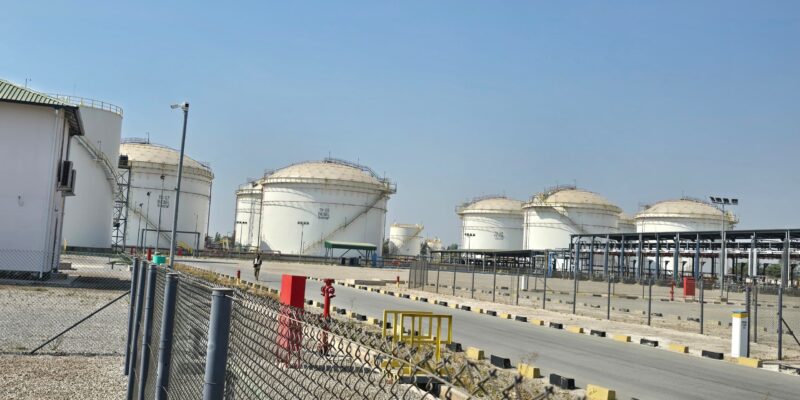
Zambia’s petroleum procurement debt has dropped significantly to approximately US$210 million as at July 2026, down from over US$900 million in 2022, the Ministry of Energy has announced.
The decline has been attributed to Government’s 2022 decision to disengage from financing petroleum procurement and shift to a fully liberalised, private sector-driven petroleum supply system.
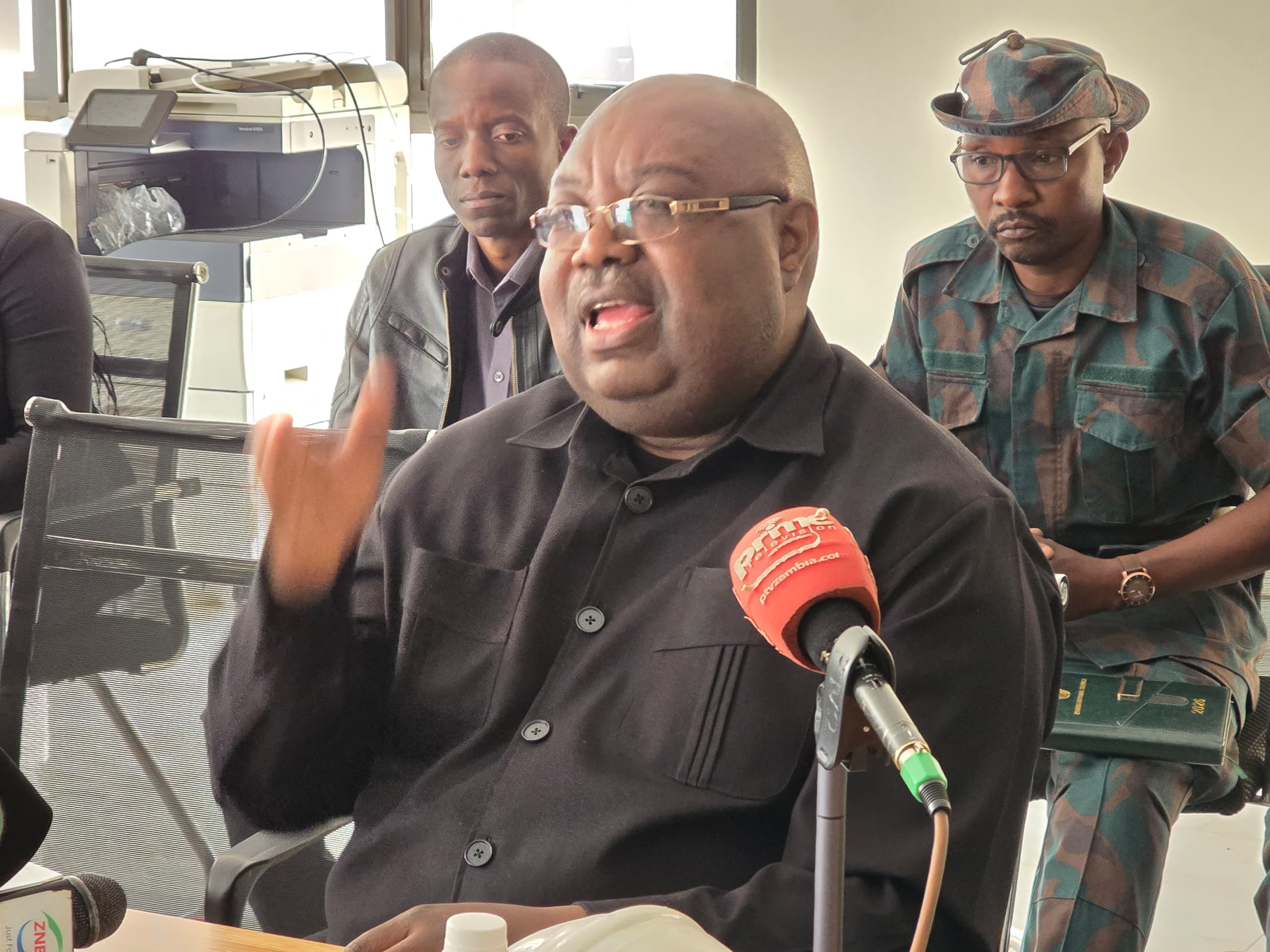
The reduction was revealed by Ministry Permanent Secretary Professor Ephraim Munshifwa, during a media tour of the New Lusaka Fuel Depot in Lusaka on Thursday.
He said the reform had resulted in greater efficiency, improved competition and significantly reduced Government fiscal exposure in the sub-sector.
“Today, petroleum procurement is 100 percent private sector-led, resulting in greater efficiency, improved competition and significantly reduced Government fiscal exposure,” Munshifwa said.
The Permanent Secretary also announced the near completion of the New Lusaka Fuel Depot, which he described as one of Government’s flagship investments in petroleum infrastructure.
“The facility you have toured today is one of Government’s flagship investments in petroleum infrastructure. It reflects our commitment to building a modern, reliable and resilient petroleum supply system capable of supporting Zambia’s growing economy while strengthening national energy security,” he said.
Munshifwa further noted reforms to the TAZAMA Pipeline, which was transformed from transporting commingled feedstock to transporting finished petroleum products. The transformation was completed in March 2023.
Read More: ERB, ZMA move to enforce petroleum storage and in-transit losses guidelines
“The TAZAMA Open Access Framework introduced in April 2025 has increased the number of prequalified Oil Marketing Companies from 18 to 32, creating a more competitive petroleum market, improving efficiency and lowering transportation costs across the supply chain,” he said.
Munshifwa added that Government had also advanced cleaner energy through the Pilot Bioethanol Blending Programme, which has established the regulatory and licensing framework to support renewable transport fuels and agricultural value addition.
He said Zambia continued to distinguish itself as one of the most competitive players in regional petroleum management.
“Despite persistent geopolitical tensions in the Middle East, volatility in international crude oil prices and fluctuations in the exchange rate of the United States Dollar, our country has continued to maintain some of the lowest and most competitive petroleum prices in the region,” Munshifwa said.
The Permanent Secretary commended Oil Marketing Companies, TAZAMA Pipelines Limited, the Energy Regulation Board and fuel transporters for their collaboration in ensuring a stable and efficient petroleum sub-sector.
WARNING! All rights reserved. This material, and other digital content on this website, may not be reproduced, published, broadcast, rewritten or redistributed in whole or in part without prior express permission from ZAMBIA MONITOR.






Comments