
 By
By 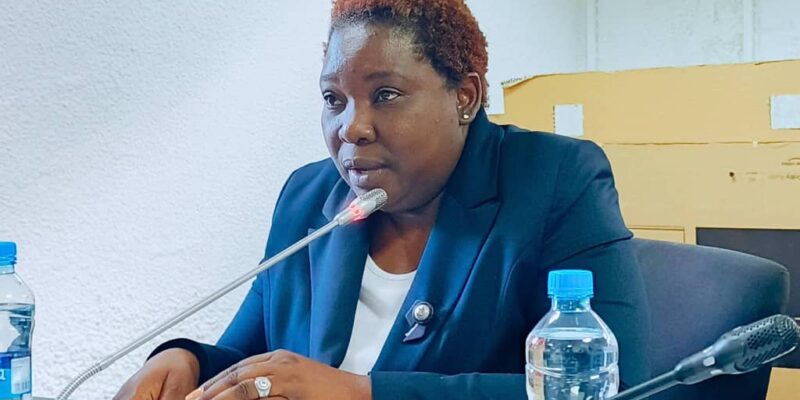
The Civil Society for Poverty Reduction has warned that Zambia’s 2026 national budget was under clear strain, with funding for social and development programmes at risk due to lower revenue, high debt servicing and a K26.3 billion supplementary budget.
CSPR Executive Director, Isabel Mukelabai, noted that while economic growth, lower inflation, a stronger Kwacha and progress on debt restructuring were encouraging, they had not yet translated into predictable public services.
In its Mid-Year Budget and Economic Review released Wednesday, Mukelabai said the first six months of 2026 presented a mixed picture of economic gains overshadowed by fiscal pressures that squeezed resources meant for citizens.
She identified four main pressures namely lower-than-planned revenue, the K26.3 billion supplementary budget, increased domestic borrowing and high debt-service costs.
“The main pressures were lower-than-planned revenue, a K26.3 billion supplementary budget, increased domestic borrowing and high debt-service costs. Together, these pressures reduced the funding available for social and development programmes,” Mukelabai stated.
On revenue, Mukelabai said government collected less than planned with most revenue lines underperforming and VAT was significantly below target, while income tax was the only major line that performed above target.
“Government collected less revenue than planned. Total revenue and grants were below target. Most revenue lines underperformed. VAT was significantly below target, while income tax was the main exception and performed above target,” she said.
Mukelabai explained that the K26.3 billion supplementary budget was driven by higher public service wages, fuel-price pressures, maize purchases and unpaid Farmer Input Support Programme obligations and to close the gap, the government authorized K7.5 billion in additional domestic borrowing.
She expressed concern that, because most of the supplementary went toward clearing arrears and honouring the wage settlement rather than funding new priorities, it had effectively competed with social sector allocations that were already under strain.
The review also flagged June 2026 Treasury releases, where K34.9 billion out of K49.1 billion, or 71 percent, went to debt servicing including the full buyback of Bond B and as a result, social and capital expenditure accounted for just 11.5 percent of that month’s release.
“In June 2026 alone, Government released K49.1 billion, of which K34.9 billion, or 71% went toward debt servicing, including the full buyback of Bond B,” Mukelabai noted.
Read More: Group warns against post-election ‘reward budget’
She expressed concern over unpredictable monthly Treasury releases, saying some months were far above target and others far below without public explanation, making planning difficult for ministries and service providers.
“CSPR is also concerned about the uneven pattern of monthly Treasury releases. Some months were far above target and others far below, without a clear public explanation. Unpredictable releases make it difficult for ministries, service providers and programme managers to plan and deliver services on time,” Mukelabai stated.
She acknowledged positive macroeconomic indicators including 7.7percent GDP growth in Q1 2026, reserves of US$6.48 billion in February, declining inflation and Kwacha appreciation from K19.26 to K17.82 per US Dollar between January and June.
Despite the gains, Mukelabai called on government to protect social-sector programmes, improve revenue collection, explain funding gaps and ensure timely Treasury releases.
She listed seven recommendations including strengthening digital tax systems, budgeting more realistically, and accounting for revenue foregone through VAT and fuel-excise suspensions.
WARNING! All rights reserved. This material, and other digital content on this website, may not be reproduced, published, broadcast, rewritten or redistributed in whole or in part without prior express permission from ZAMBIA MONITOR.







Comments