
 By
By 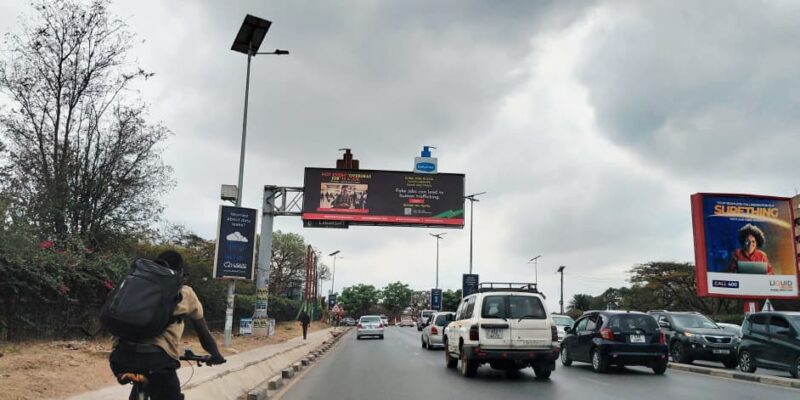
A campaign warning young Zambians about fraudulent overseas employment opportunities has moved from social media and university awareness sessions to the streets of Lusaka, with billboards, road barricades and student-led distribution of information leaflets being used to highlight the risks of human trafficking and exploitation.
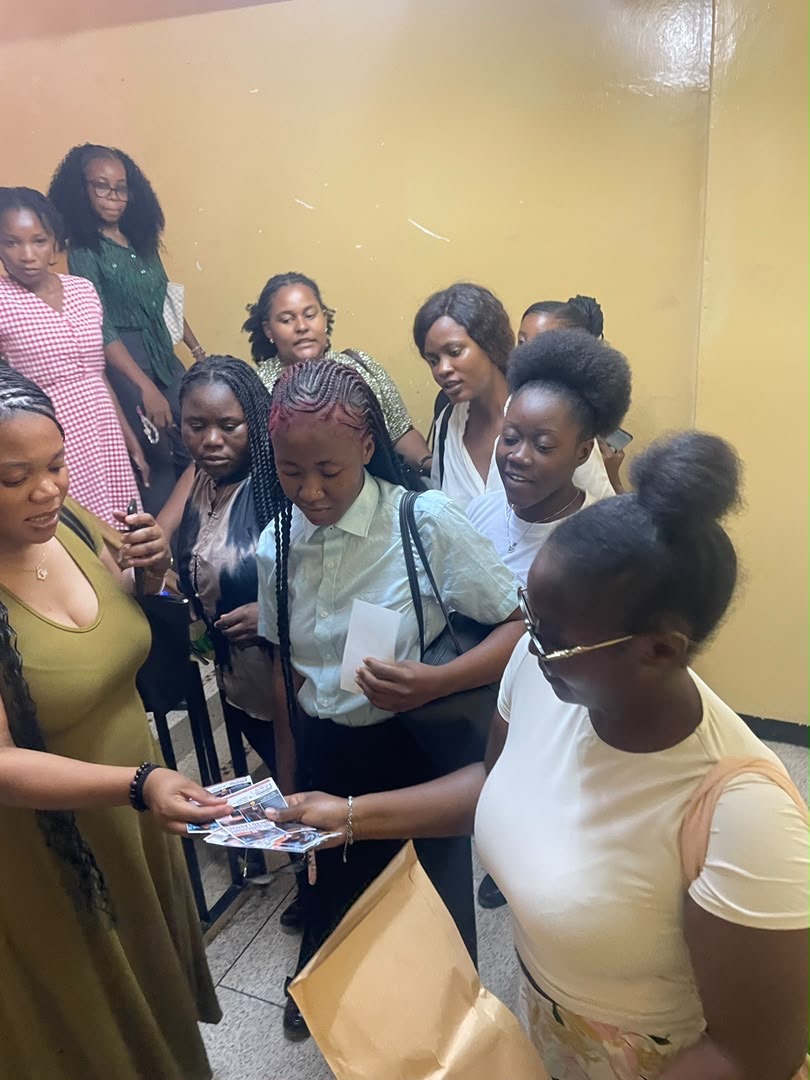
As part of the campaign, students have distributed awareness leaflets at the University of Zambia (UNZA) and the National Institute of Public Administration (NIPA), engaging fellow students on how fraudulent job offers can be used to lure unsuspecting young people into situations of exploitation.
The initiative is being implemented by youth-led organisations Lead Foundation Zambia, Lizu Community Foundation and Voices of Influence Zambia, as part of efforts to strengthen public awareness about fraudulent recruitment and human trafficking.
Read more: Zimbabwe says 15 nationals killed after being lured to fight for Russia
The student outreach at UNZA and NIPA is particularly aimed at young people who are actively seeking employment or considering opportunities abroad, encouraging them to verify recruiters, employment contracts and travel arrangements before committing money or personal documents.
The campaign has also seen billboards and road barricades carrying warnings against fraudulent overseas employment schemes installed at strategic locations in Lusaka.
The organisers say taking the campaign into universities and public spaces is important because fraudulent job advertisements are increasingly reaching young people through social media, messaging applications and other digital platforms.

Lead Foundation Zambia previously conducted an awareness activity at Mulungushi University, where students and other young people were sensitised about the dangers associated with fraudulent overseas recruitment and the importance of verifying employment opportunities.
The awareness campaign comes amid warnings from Zambia’s Anti-Human Trafficking Department that traffickers are increasingly using digital platforms to target vulnerable people through fake job advertisements and other deceptive offers. Recent fraudulent recruitments of young male Africans into the Russia-Ukraine war by Russian agents, as well as the questionable Alabuga Start scheme for young girls are among key examples of potential human trafficking.
Unemployed young people, graduates and students are among those who may be targeted with seemingly legitimate opportunities promising attractive salaries and employment abroad.
Fraudulent vacancies may be advertised in sectors including logistics, construction, hospitality and agriculture, appealing to young people looking for better economic opportunities outside Zambia.
For many job seekers, the prospect of earning foreign currency can make such offers particularly attractive.
Job seeker Mutale Chileshe said financial difficulties could make unemployed people more willing to accept an overseas job offer without carrying out sufficient checks.
“When you have no job, any offer that mentions foreign currency looks like a lifeline,” Chileshe said.
He said some people only discover that a recruitment company is fraudulent after they have already paid money or made arrangements to travel.
Another Lusaka resident, Grace Banda, welcomed the street and university-based awareness activities, saying physical campaigns could help counter fraudulent advertisements that young people encounter on their phones.
She urged job seekers to verify recruiters before sending money, sharing personal information or surrendering important documents.
The Anti-Human Trafficking Department under the Ministry of Foreign Affairs has also encouraged prospective migrants to verify employment opportunities through relevant government institutions before travelling.
The warning comes amid concerns that fraudulent recruitment can become a pathway to human trafficking and exploitation, particularly when individuals are deceived about the nature of employment, destination, wages or working conditions.
The campaign by Voices of Influence Zambia, Lizu Community Foundation and Lead Foundation Zambia is therefore seeking to equip young people with information that can help them identify warning signs before accepting overseas employment offers.
Organisers are encouraging job seekers to verify companies and recruiters, establish whether employment offers are genuine, avoid paying unexplained recruitment fees and exercise caution before handing over passports or other personal documents.
With the search for employment continuing to drive many young Zambians to consider opportunities abroad, the campaign is taking a simple message to universities, communities and the streets:
“Verify before you travel. A fake job offer can become a pathway to exploitation.”
WARNING! All rights reserved. This material, and other digital content on this website, may not be reproduced, published, broadcast, rewritten or redistributed in whole or in part without prior express permission from ZAMBIA MONITOR.










Comments