
 By
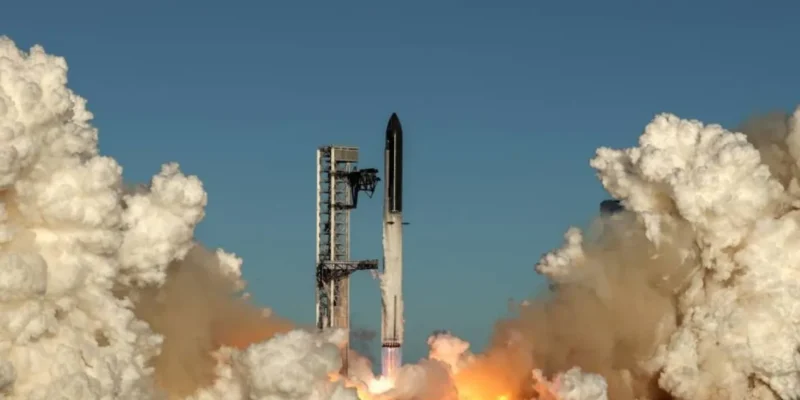
SpaceX has achieved a major milestone in its quest to develop a fully reusable rocket system after successfully catching the upper stage of its Starship spacecraft for the first time following a 22-and-a-half-hour test flight, BBC reports.
The upper stage returned to Earth and hovered beside the launch tower at Starbase in Boca Chica, Texas, where giant mechanical arms, known as “chopsticks”, safely secured the vehicle.
However, the company fell short of completing its first full recovery of both sections of the world’s largest rocket after the lower-stage Super Heavy booster aborted its planned return to the launch tower shortly after liftoff.
Read more: Techbytes: Microsoft outage disrupts bank email services in Zambia
The 124-metre-tall Starship lifted off at 4:47 p.m. local time on Friday on its 15th test flight, carrying 26 Starlink satellites into orbit. The mission marked the first attempt to recover both the upper stage and booster for future reuse.
The Super Heavy booster was expected to return to the launch site about six-and-a-half minutes after launch. Instead, it initiated an automated abort sequence, diverting to the Gulf where it hovered briefly above the water before exploding.
SpaceX founder Elon Musk later said the booster had been “slightly low on fuel.”
Meanwhile, the upper-stage Ship continued its mission, successfully deploying the 26 Starlink satellites before completing 14 orbits around Earth.
After more than 22 hours in space, the spacecraft made its return to Starbase, where it was captured by the launch tower’s mechanical arms in a landmark achievement for the company.
The successful recovery marks the first time SpaceX has caught the upper stage of Starship, which only reached orbit for the first time in September.
The company had previously recovered the Super Heavy booster on three separate test flights.
SpaceX said before launch that it would only attempt to catch the upper stage after carefully assessing its condition during the mission.
Had any issues been detected, the spacecraft would have been directed to splash down in the ocean instead.
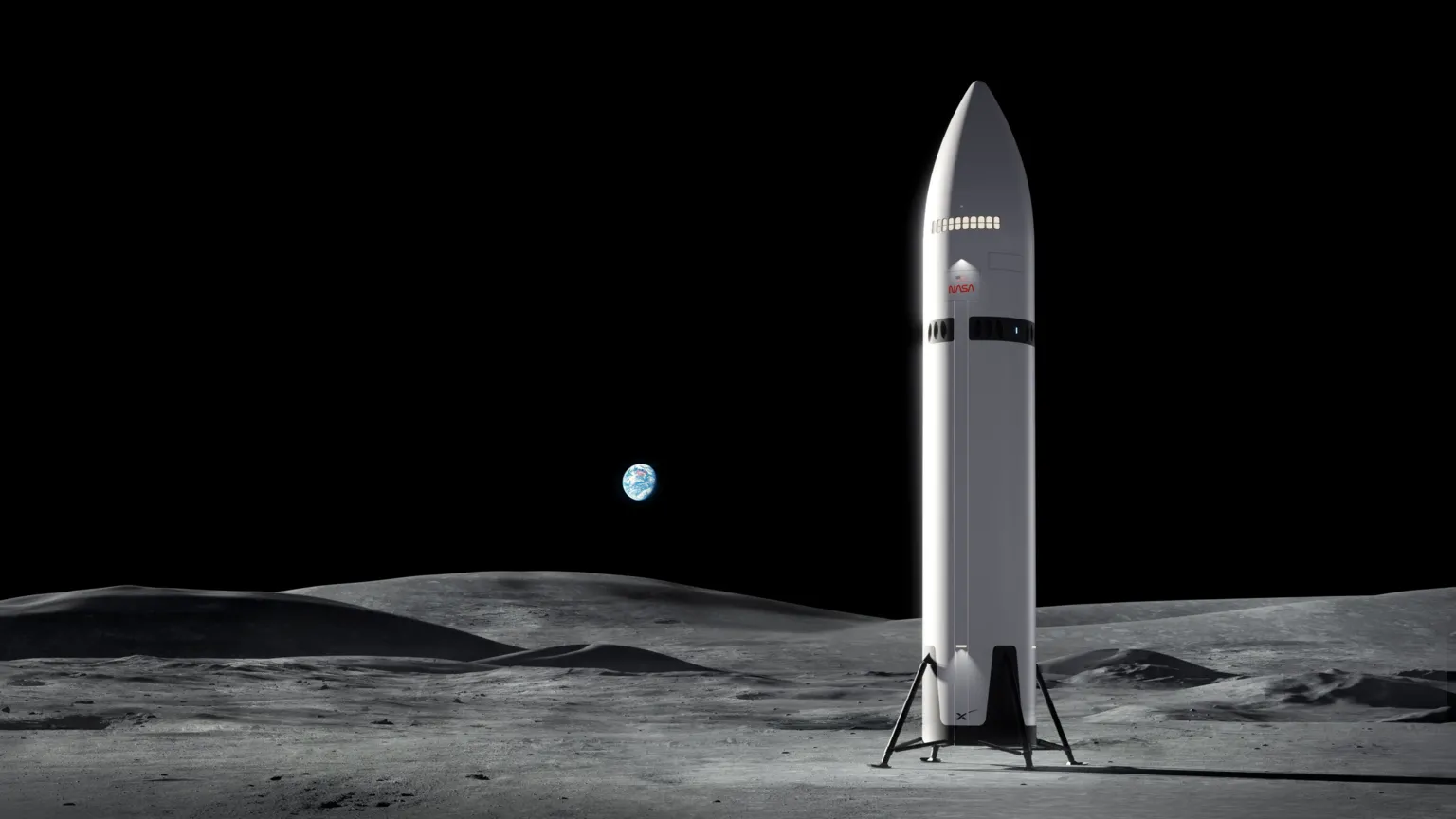
The company views full reusability of both the booster and spacecraft as critical to reducing launch costs and supporting future missions to the Moon, Mars and beyond.
WARNING! All rights reserved. This material, and other digital content on this website, may not be reproduced, published, broadcast, rewritten or redistributed in whole or in part without prior express permission from ZAMBIA MONITOR.










Comments