
 By
By 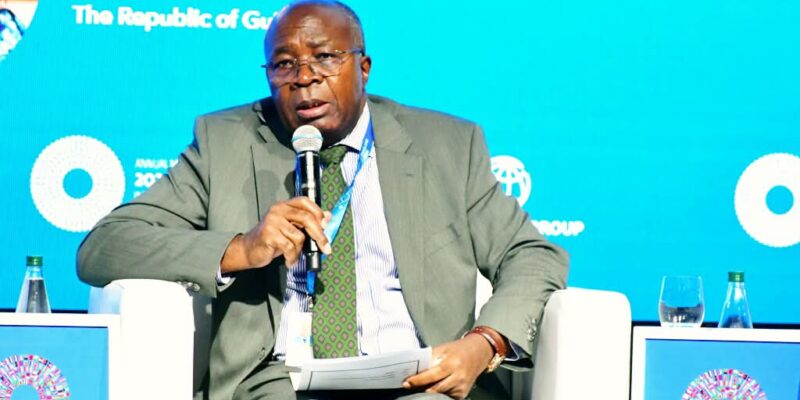
Zambia is seeking to attract private investment into mining and supporting infrastructure under a new World Bank Group minerals partnership, with a target of creating 250,000 direct and indirect jobs by 2031 while increasing copper production.
Zambia participated in the launch of the World Bank Group’s Metals and Minerals Country Compacts and Partnerships during the 2026 IMF and World Bank Group Annual Meetings in Bangkok, alongside seven other countries.
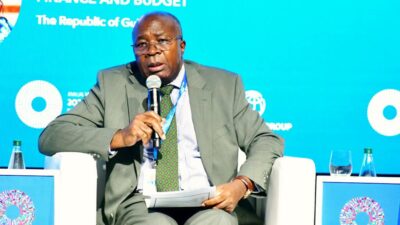
“We know that the world needs more critical minerals. Zambia has those critical minerals, more especially copper,” Finance and National Planning Minister Dr Situmbeko Musokotwane said at the launch.
Six participating countries have developed Compacts, while Argentina and India are participating through Partnerships aimed at attracting responsible private capital and strengthening mineral value chains.
The initiative seeks to turn natural resource wealth into long-term development benefits through increased production, domestic manufacturing and job creation.
Musokotwane said growing global demand for critical minerals presented an opportunity for Zambia to expand copper production, accelerate industrialisation and attract investment.
“Those reforms are based on attracting private capital, not government money. And that is working. Zambia had attracted approximately US$12 billion in copper mining investment since 2022,” he said.
The minister reaffirmed Zambia’s ambition to increase annual copper production from just under one million metric tonnes to three million metric tonnes by 2031, supported by reforms in the mining and energy sectors.
“Don’t be scared when we talk about value addition, because it’s a win-win proposition. The Lobito Railway Corridor is an important investment opportunity for improving transport connectivity,” he told investors.
He said the Zambia Metals and Minerals Country Compact establishes a 10-year cooperation framework covering 2026 to 2036, with an ambition to mobilise substantial private capital for mining development and supporting infrastructure.
Read More: Govt courts investors in Zambia’s beef value chain at FAO forum
MIGA Managing Director, Tsutomu Yamamoto, said the agency, in collaboration with Japan, was considering a dedicated trust fund to reduce risks associated with private mining investment and mobilise additional capital.
“The investment is not the finish line. Development is the goal. Mineral development should strengthen local supply chains and workforce skills,” Yamamoto said.
According to the statement, the Compact’s employment targets include 100,000 direct mining jobs and 150,000 indirect jobs by 2031, alongside opportunities for local manufacturers, contractors, transporters, technicians and suppliers.
Its priorities include expanding domestic industries producing copper wires, cables, transformers and electrical panels, while strengthening technical skills development to prepare more young Zambians for employment.
World Bank Group support identified in the framework includes the STRIVE programme and the TRACER project, complementing ongoing energy investments. The Bank plans to increase global metals and minerals sector support fivefold to US$19 billion between fiscal years 2026 and 2030.
WARNING! All rights reserved. This material, and other digital content on this website, may not be reproduced, published, broadcast, rewritten or redistributed in whole or in part without prior express permission from ZAMBIA MONITOR.





Comments