
 By

The International Monetary Fund (IMF) has commended Zambia for strengthening its management of climate-related fiscal risks but urged the country to deepen its assessments to better protect public finances from droughts, floods and other extreme weather events.
In its October 2026 Technical Assistance Report, Zambia – Climate Change and Fiscal Risks, the IMF said the country had made notable progress in integrating climate risks into public financial management through improved transparency, institutional coordination and capacity to assess the economic impact of climate shocks.
The report identified the introduction of Zambia’s first Fiscal Risk Statement alongside the 2025 National Budget as a major milestone in strengthening fiscal transparency.
The framework was further strengthened in the 2026 Fiscal Risk Statement through the introduction of a climate fiscal risk register, which maps vulnerabilities across key sectors, including agriculture, electricity generation, mining, infrastructure, public revenue and expenditure.
Read more: Zambia warned against unsustainable borrowing under new IMF programme
In a statement issued on Monday, Finance and National Planning Minister Situmbeko Musokotwane said building resilience to climate-related shocks was essential as Zambia transitioned from economic stabilisation to sustained growth.
“Our transition from economic stabilisation to sustained growth demands stronger protection against climate shocks. By anticipating risks, diversifying energy sources and safeguarding public finances, we are strengthening the foundations for productive investment, job creation and lasting national prosperity,” Musokotwane said.
He said Government’s increasingly systematic approach to economic management was intended to protect the gains achieved through macroeconomic reforms while strengthening the country’s resilience to future climate-related disruptions.
The IMF also highlighted Zambia’s growing capacity to measure climate-related fiscal risks following a technical assistance mission conducted in Lusaka from June 24 to July 3, 2026.
During the mission, IMF experts worked with Zambian authorities to apply the Quantitative Climate Risk Assessment Fiscal Tool (Q-CRAFT), which enables policymakers to assess how different climate scenarios could affect economic growth, government revenue, expenditure and public debt.
The report said the tool would support more informed budgeting, contingency planning and investment decisions aimed at reducing future economic losses.
The Fund further acknowledged Government’s efforts to reduce Zambia’s heavy dependence on hydropower through expanded solar generation capacity and investments in additional solar and wind energy projects.
Hydropower currently accounts for about 80 percent of the country’s installed electricity generation capacity, leaving critical sectors such as agriculture and mining vulnerable to prolonged droughts, the report noted.
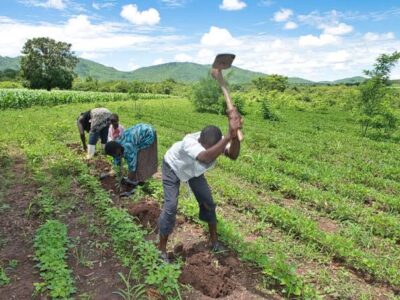
The 2023–2024 drought illustrated the scale of the risks, with maize production falling by 54 percent while electricity load-shedding reached as much as 23 hours a day.
Government responded by introducing emergency relief and expanding social protection measures, with drought-related spending estimated at one percent of Gross Domestic Product (GDP) in 2024 and 0.3 percent in 2025.
Looking ahead, the IMF recommended that Zambia publish its first quantified climate-related fiscal risk assessment by October 2027.
It also urged authorities to strengthen drought-impact analysis and extend climate risk assessments to cover floods and storms by October 2028.
Other recommendations include improving the climate fiscal risk register, clarifying institutional responsibilities, strengthening coordination among public institutions and aligning climate adaptation investments with long-term financing strategies.
Musokotwane said climate resilience remained central to Zambia’s economic development agenda and was reflected in the 2027 National Budget theme, “Grow Zambia: From Stabilisation to Unlocking Opportunities, Creating Jobs and Improving Livelihoods for All.”
“Climate resilience is therefore integral to fiscal resilience and central to the 2027 National Budget theme,” he said.
WARNING! All rights reserved. This material, and other digital content on this website, may not be reproduced, published, broadcast, rewritten or redistributed in whole or in part without prior express permission from ZAMBIA MONITOR.









Comments