
 By
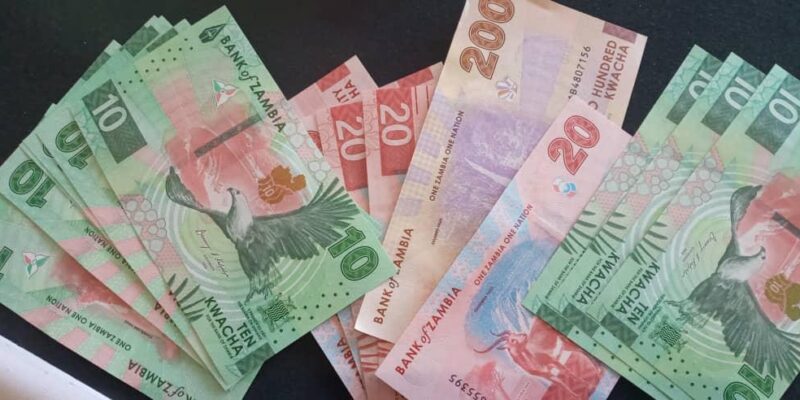
The Zambian kwacha recorded its biggest weekly loss in nearly a month, depreciating by 0.67 percent as demand for foreign currency continued to outweigh available supply.
The local currency closed marginally weaker on Friday, trading just below K20.500 against the United States dollar.
The weekly decline was the largest since the week ending October 16, reflecting sustained pressure from demand for hard currency despite relative stability in Friday’s trading session.
On international markets, the US dollar remained close to its strongest level since May 2025, supported by rising Treasury yields and expectations that the Federal Reserve could maintain a tighter monetary policy stance.
Read more: Kwacha rebounds but remains on course for weekly loss
The Bloomberg Dollar Spot Index was broadly unchanged after gaining 0.7 percent the previous week, as investors weighed increasingly hawkish comments from Federal Reserve officials and stronger-than-expected inflation figures.
Market attention has now shifted to scheduled remarks by central bank officials, including Federal Reserve Chair Kevin Warsh, for indications of the direction of US monetary policy.
However, easing producer-price pressures and lower energy prices could help moderate near-term inflation concerns.
The dollar has also drawn support from the absence of significant signals from Federal Reserve officials challenging market expectations of tighter monetary policy.
Nevertheless, the recent rise in US Treasury yields could be approaching its limits, potentially triggering some consolidation in the dollar’s recent gains.
WARNING! All rights reserved. This material, and other digital content on this website, may not be reproduced, published, broadcast, rewritten or redistributed in whole or in part without prior express permission from ZAMBIA MONITOR.











Comments