
 By
Zambia requires an estimated US$25.1 billion to implement its Nationally Determined Contribution (NDC) over the 2023–2030 period, with the United Nations Development Programme (UNDP) calling for increased public and private sector investment to deliver the country’s climate commitments.
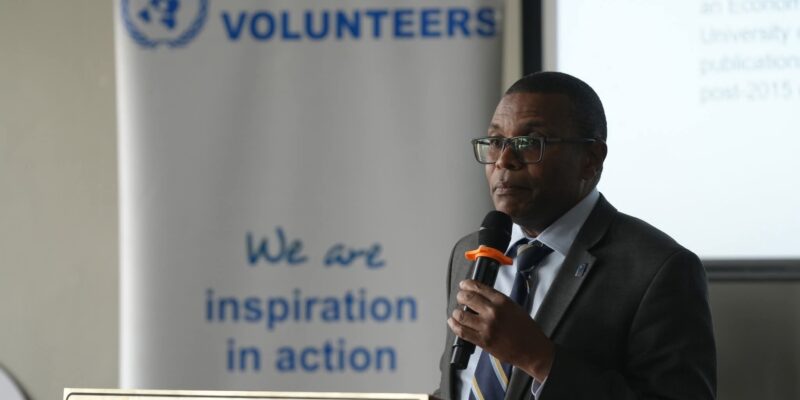
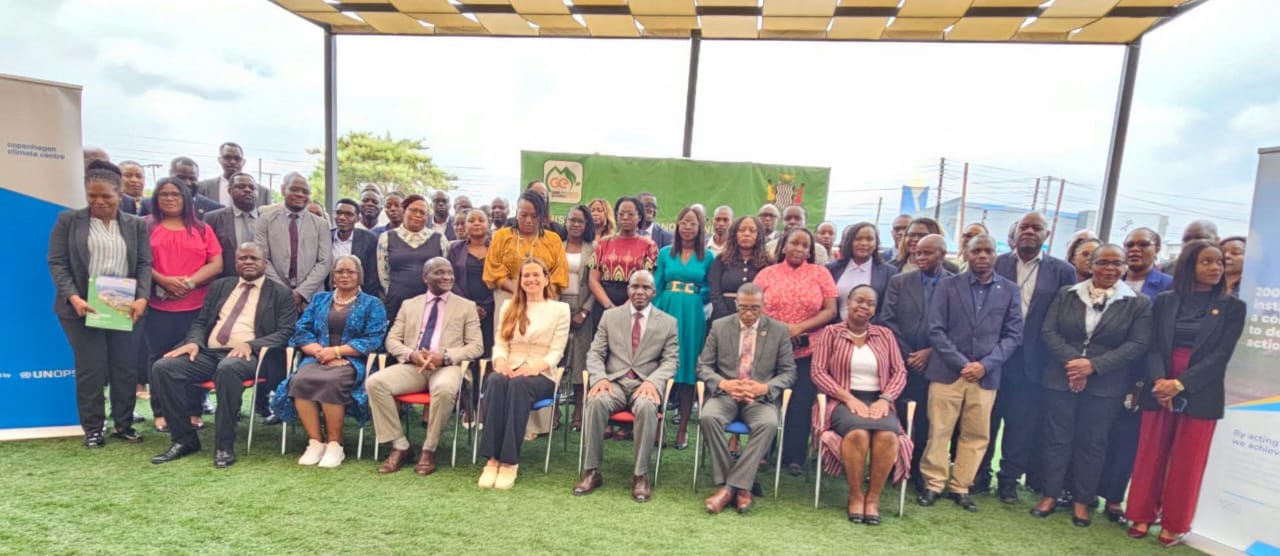
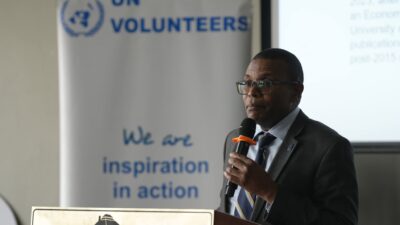
Acting United Nations Resident Coordinator, Dr James Wakiaga, disclosed this during the launch of Zambia’s Revised NDC Implementation Framework and the country’s first NDC Investment Plan in Lusaka on Thursday, under the theme: “Mobilising Investments for Zambia’s Green Growth and Climate-Resilient Development.”
“This is a significant investment requirement that cannot be met through public resources alone. We must move from identifying climate priorities to developing investment-ready projects that can attract capital,” Wakiaga said.
He called for stronger collaboration among the Government, domestic financial institutions, international investors, development finance institutions, multilateral climate funds and the private sector to mobilise resources. Priority investment areas include renewable energy, climate-smart agriculture, sustainable forestry, carbon markets, waste management, climate-resilient infrastructure and water security.
“The success of our NDC will ultimately be measured not by the commitments we make, but by the investments we mobilise, the projects we implement, the emissions we reduce, the communities we protect and the jobs we create,” he said.
Read More: Zambia orders Rongxing to complete environmental clean-up at Kalulushi plant
Green Economy and Environment Minister Dr Gilbert Siame, who launched the two documents, said climate change had become a major development challenge with far-reaching implications for the economy, livelihoods, food and energy security, and national development.
“Zambia continues to experience the adverse effects of climate change, including prolonged droughts, floods and rising temperatures. These challenges highlight the urgent need to strengthen our resilience while pursuing a low-carbon development pathway,” he said.
Siame said the transition to a green economy presented significant opportunities for investment, innovation, industrial development, job creation and economic diversification.
“This is why we have convened this conference: to move beyond climate commitments and translate our ambitions into concrete, bankable and sustainable investment opportunities,” he said.
Under NDC 3.0, submitted in December 2025, Zambia has committed to reducing greenhouse gas emissions by 25 percent unconditionally by 2030, with the target rising to 47 percent subject to substantial international financial, technological and capacity-building support. The NDC also expands sectoral coverage from six to 10 sectors and strengthens climate adaptation and resilience across the economy.
“The commitments are aligned with national development priorities, including the Eighth National Development Plan, Vision 2030, the National Green Growth Strategy, the National Adaptation Plan and the Green Economy and Climate Change Act No. 18 of 2024,” Siame said.
He explained that the Implementation Framework outlined sectoral targets and institutional responsibilities, while the Investment Plan identifies priority investment opportunities, financing requirements, barriers and potential financing models.
WARNING! All rights reserved. This material, and other digital content on this website, may not be reproduced, published, broadcast, rewritten or redistributed in whole or in part without prior express permission from ZAMBIA.









Comments