
 By
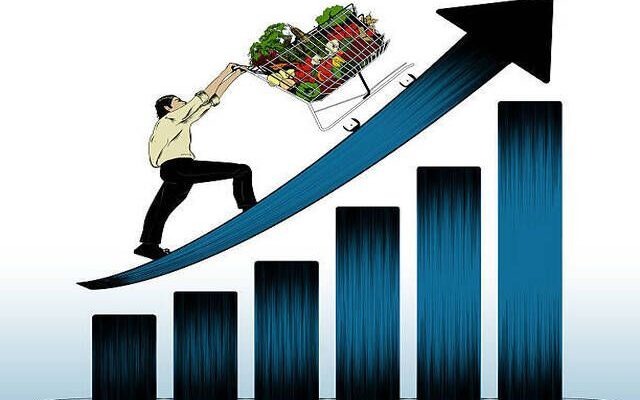
Zambia’s annual inflation rose for a second consecutive month in November to 6.4 percent from 6.3 percent in October, driven by higher fuel and transport costs, while the country’s trade deficit widened as imports outpaced exports.
Zambia Statistics Agency (ZamStats) Statistician-General, Sheila Mudenda, said on Thursday that the increase in annual inflation was largely driven by non-food items, despite easing food inflation.
“This means that on average, prices of goods and services increased by 6.4 percent between November 2025 and November 2026. This development was mainly attributed to price movements in non-food items,” Mudenda said.
Annual non-food inflation accelerated to 8.2 percent from 7.4 percent in October, reflecting price movements in petrol, diesel and paraffin, as well as passenger transport by road and air.
Read more: Zambia’s annual inflation rate hits 6.3% as country records September trade deficit
Transport inflation surged to 16.8 percent from 10.8 percent the previous month, compared with negative 1.6 percent recorded in November 2025.
Annual food inflation, however, slowed to 5.3 percent from 5.7 percent in October, reflecting price movements in cereals, fresh milk, cooking oil and dried beans.
Despite the latest increase, Zambia’s annual inflation remained below the 10.9 percent recorded in November last year.
“The overall monthly inflation rate for November 2026 was recorded at 0.8 percent, from 0.7 recorded in October 2026. This outturn was mainly attributed to price movements in selected food and non-food items,” Mudenda said.
The national average price of a 25-kilogramme bag of breakfast mealie meal fell by 14.29 percent year-on-year to K234.20, while roller mealie meal declined by 16.18 percent to K181.11.
In contrast, diesel prices increased by 35.78 percent year-on-year, while petrol and paraffin prices rose by 14.12 percent and 32.92 percent, respectively.
Zambia’s merchandise trade deficit widened in October as growth in imports outstripped export earnings.
“The country recorded a trade deficit of $235.0 million in October 2026 compared to the deficit of $187.2 million recorded in September 2026,” Mudenda said.
Imports increased by 4.2 percent to US$1.87 billion in October from US$1.79 billion the previous month, largely driven by increases in import bills for consumer and intermediate goods of 16.4 percent and 11 percent, respectively.
Exports rose by 1.7 percent to US$1.63 billion from US$1.61 billion in September, supported by increases in export earnings from intermediate and consumer goods of 7.9 percent and 7.5 percent, respectively.
Despite the widening monthly trade deficit, Zambia’s cumulative merchandise trade increased by 42.1 percent to US$30.6 billion between January and October 2026, compared with US$21.5 billion during the corresponding period last year.
Both cumulative exports and imports stood at approximately US$15.3 billion during the first 10 months of the year.
Road transport accounted for 95.8 percent of the country’s total export value, equivalent to US$14.7 billion, highlighting Zambia’s heavy reliance on road infrastructure for international trade.
WARNING! All rights reserved. This material, and other digital content on this website, may not be reproduced, published, broadcast, rewritten or redistributed in whole or in part without prior express permission from ZAMBIA MONITOR.











Comments