
 By
By 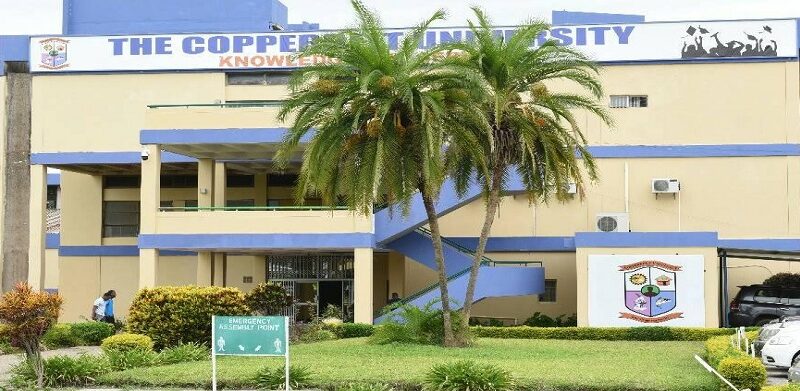
Academics have urged government to establish a clear national framework to compel mining companies to honour Memoranda of Understanding (MoUs) signed with universities, citing concerns that most agreements remained dormant and failed to deliver intended benefits.
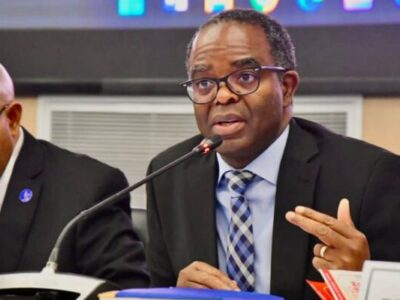
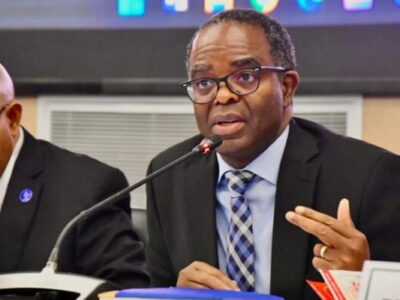
Speaking at a Zambia Mining and Investment Insaka in Lusaka, Professor Musango Lungu of Copperbelt University’s School of Mines said that while several MoUs existed to foster collaboration in research, curriculum development, and skills training, implementation remained inconsistent.
“Most of the time, the MoUs just remain pieces of paper,” Lungu told a panel discussion on university–industry linkages in energy transition and mining. “Universities outline key activities such as student and staff exchanges, research support, and problem-solving collaborations, but the companies often do not follow through.”
He highlighted the absence of enforcement mechanisms as a major barrier preventing universities from leveraging these partnerships to strengthen local capacity and reduce dependence on foreign expertise.
“Before privatisation, Zambia Consolidated Copper Mines (ZCCM) played a vital role in supporting education and staff training. There was a clear connection between industry and academia. But after privatisation, that commitment weakened. Today, companies often outsource research contracts abroad, even when local expertise exists,” he explained.
The academic warned that this trend not only stifled local innovation but also drained millions of dollars that could otherwise support Zambian universities and researchers.
He called on the government to introduce policies obliging mining and energy firms to implement MoUs and channel part of their research and training initiatives through local universities.
“There is a need for collaboration among academia, industry, and government to create a framework that holds companies accountable,” Lungu said, adding, “We must move beyond goodwill and establish legal or policy mechanisms to make these partnerships meaningful.”
He added that universities should also take a proactive role in proposing frameworks that required mining firms to contribute to national skills development and local research.
“Even small engagements—like funding applied research or supporting student projects—could have a huge impact. The expertise is here; what’s missing is commitment.”
Ebelia Manda, a scientific researcher and lecturer at the University of Zambia, echoed these calls, emphasising the need to harmonise curricula across Africa and strengthen collaboration between academia and industry.
WARNING! All rights reserved. This material, and other digital content on this website, may not be reproduced, published, broadcast, rewritten or redistributed in whole or in part without prior express permission from ZAMBIA MONITOR.







Comments