
 By
By 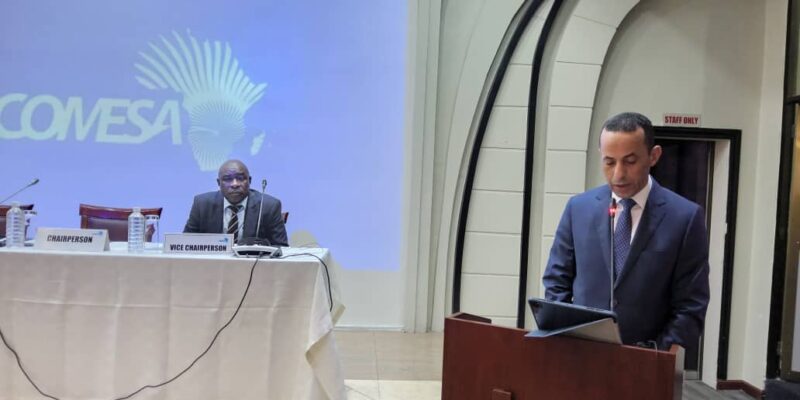
The Common Market for Eastern and Southern Africa (COMESA) has highlighted progress made in implementing its regional statistics strategy, while outlining measures taken to address persistent challenges such as resource constraints, staffing gaps, and delays in data submission by Member States.
COMESA Assistant Secretary General for Programmes, Dr. Mohamed Kadah, said actionable steps had been taken to tackle issues including insufficient staffing, limited domestication of Council decisions and the slow submission of data from Member States.
Speaking during the COMESA 16th Session of the Committee on Statistical Matters held at Best Western Plus Hotel in Lusaka on Wednesday, Kadah noted that Article 140 of the COMESA Treaty established the Committee to spearhead the statistical agenda necessary for regional integration.
He said statistics were crucial in tracking progress and informing decision-making within the Common Market, adding that the Committee’s oversight of statistical policymaking remained central to COMESA’s work.
“The COMESA Regional Strategy for the Development of Statistics (RSDS) 2021–2025 is now in its final year of implementation. This meeting is particularly timely as it offers an opportunity to take stock of the achievements realized so far and reflect on the challenges and priorities moving forward,” Kadah said.
He said following the independent end-term review conducted in late 2025 with support from STATAFRIC (AUC) and PARIS 21, COMESA was pursuing additional funding and capacity-building support from development partners.
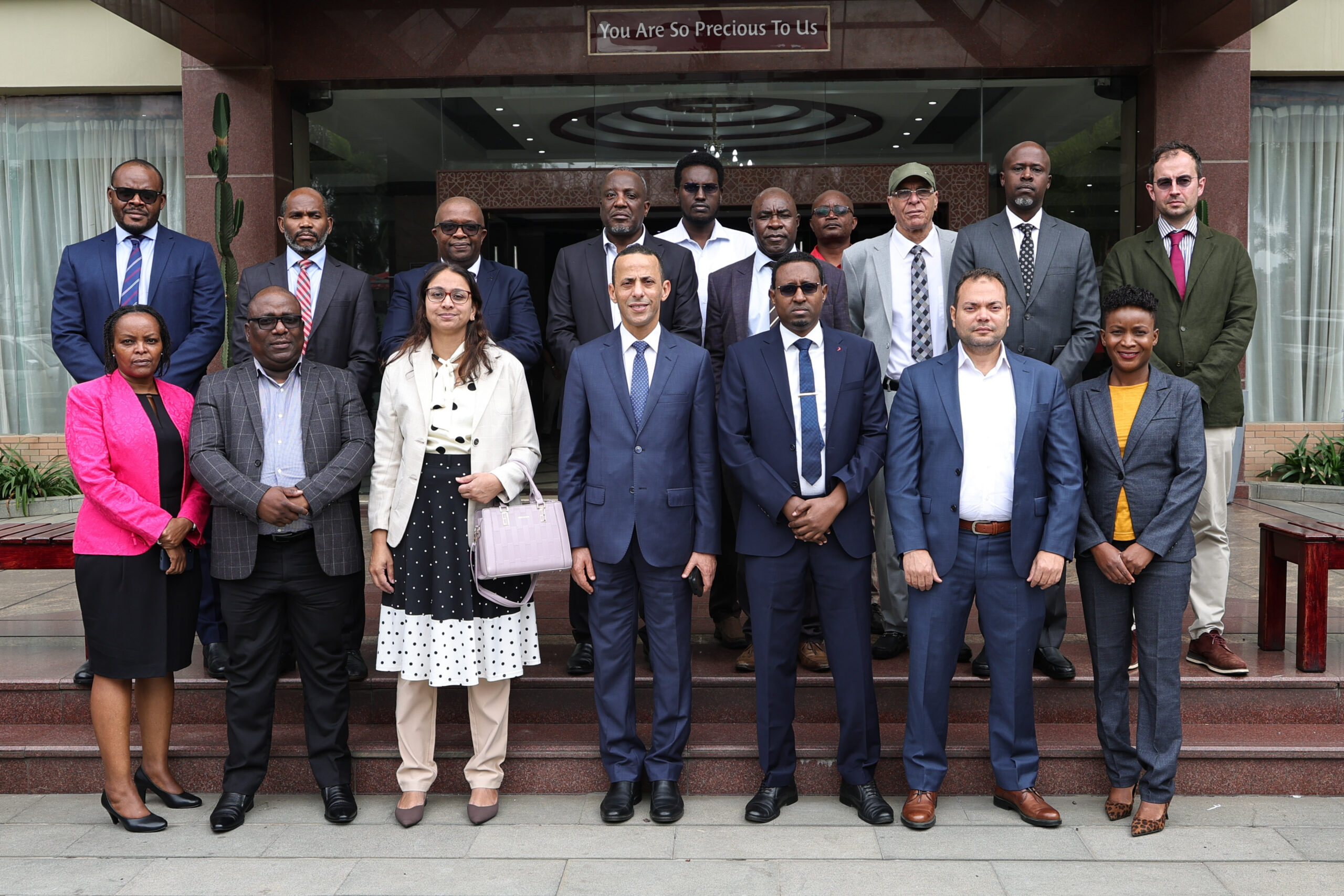
Kadah cited key milestones including enhanced market integration statistics, expanded support for international merchandise trade, harmonised consumer price indices, and strengthened cooperation among COMESA Member States.
“Several milestones have been attained across the RSDS pillars such as enhanced Market Integration statistics with expanded support in International Merchandise Trade, Import and Export Price Indices, and sustained consumer price index harmonization,” he said.
He added that productive integration had been strengthened through wider agricultural core data coverage, implementation of food balance sheets, and capacity building in food security statistics.
Progress had also been recorded in physical integration, including upgraded data platforms, improved infrastructure and energy statistics surveys, and wider dissemination through the COMSTAT portal.
Kadah further cited advancements in gender and social integration statistics, including increased gender data capacity and publication of the COMESA Gender Report.
“In addition, we highly appreciate the generous support of the African Union Institute of Statistics (STATAFRIC) and Paris21 in conducting the independent end-term evaluation of the RSDS 2021–2025, as well as their continued collaboration in developing the next Regional Strategy for 2026–2030,” he said.
He said these partnerships had significantly strengthened COMESA’s statistical programmes and strategic planning.
Kadah also thanked national strategic planning experts for their participation in drafting the new COMESA Regional Strategy for the Development of Statistics, saying their involvement ensured ownership of the process.
WARNING! All rights reserved. This material, and other digital content on this website, may not be reproduced, published, broadcast, rewritten or redistributed in whole or in part without prior express permission from ZAMBIA MONITOR.








Comments