
 By
By 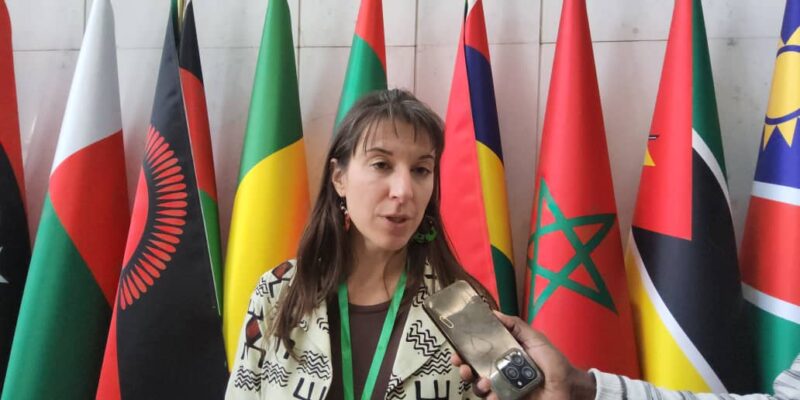
The GIZ-led Partnership for Energy Efficiency in Buildings (PEEB) has raised concern over weak enforcement of energy regulations across Africa, warning that the failure to uphold existing standards was undermining the continent’s energy efficiency goals.
GIZ PEEB Advisor, Marie-Anne Serve said that despite many African countries—including Zambia—having adequate laws and standards, implementation remained poor due to corruption and limited technical capacity within enforcement agencies.
Speaking on the sidelines of the pre-trainings ahead of the Africa Energy Efficiency Conference, Serve noted that many practitioners prioritized cutting costs over complying with regulatory requirements, weakening the impact of the policies.
She said strengthening transparency and accountability in procurement processes would be crucial in addressing these challenges.
“African countries need to build capacity in enforcement agencies which was cited during the training as one of the major challenges to achieving energy efficiency,” Serve stated.
She further urged governments to promote public-private partnerships to leverage both funding and technical expertise, while exploring innovative financing mechanisms to support energy-efficiency investments.
Serve explained that GIZ was already implementing PEEB’s blended financing model in several countries, combining grants and concessional funding to help overcome regulatory and financial barriers.
“With $20 million allocated for 11 countries, it’s crucial to prioritize technical assistance and capacity building to support effective implementation and enforcement,” she said.
She added that the PEEB Cool project sought to transform the construction sector by promoting more energy-efficient building design, construction and operations, with a focus on sub-sectors that offer the greatest potential for climate resilience and greenhouse-gas reduction—such as large-scale housing projects and commercial buildings.
“Moreover, it will generate strong economic and social benefits such as the creation of green jobs,” she said.
Serve said the project would integrate efficient cooling solutions, sustainable construction materials, and engagement with key construction-sector stakeholders.
The 11 targeted countries, spanning four continents, include Albania, Argentina, Djibouti, Indonesia, Mexico, Morocco, Nigeria, North Macedonia, Sri Lanka, Tunisia and Costa Rica.
WARNING! All rights reserved. This material, and other digital content on this website, may not be reproduced, published, broadcast, rewritten or redistributed in whole or in part without prior express permission from ZAMBIA MONITOR.








Comments