
 By
By 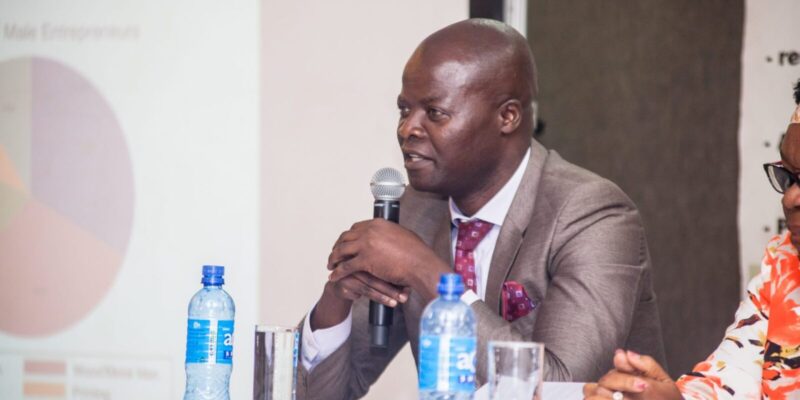
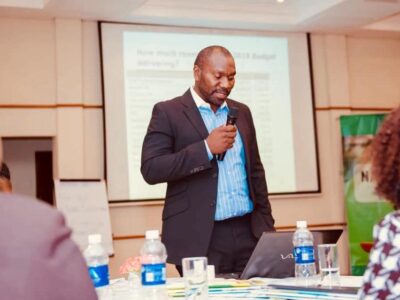
Zambia’s path to inclusive economic growth hinges on a delicate balance between policy support, structural reforms, and strategic investments, speakers at the 2026 Budget and Economic Outlook Town Hall have said.
The Zambia National Marketers Credit Association (ZANAMACA) reaffirmed its commitment to work with the Ministry of Finance, Bank of Zambia, and Zambia Revenue Authority to empower informal businesses and integrate them into the formal economy.
ZANAMACA president, Mupila Kameya, described the 2026 budget as “people-centred,” praising government initiatives such as the Constituency Development Fund, Social Cash Transfer programme, and the Farmer Input Support Programme for strengthening livelihoods and resilience among vulnerable households.
“The 2026 budget marks a shift from recovery to productivity, inclusion, and income growth,” Kameya said, noting that domestic revenues now cover over 80 percent of total expenditure.
He highlighted positive signs of economic recovery in 2025, citing World Bank projections of 5.8 percent real GDP growth, boosted by mining, agriculture, and services, alongside increased foreign exchange inflows that stabilised the kwacha and raised reserves to US$4.7 billion.
Read more: Group warns foreign traders’ dominance threatens local businesses
While acknowledging progress, Centre for Trade and Policy Development Executive Director, Isaac Mwaipopo, warned of persistent risks that could undermine economic stability.
Elevated operating costs, high food and energy prices, infrastructure deficits, and regulatory burdens, he said, continue to constrain business competitiveness and investment.
“Election-cycle spending and delays in external debt restructuring remain key threats to fiscal consolidation and investor confidence,” Mwaipopo said.
He stressed that without robust expenditure controls, Treasury oversight, and completion of debt restructuring, Zambia risked reversing hard-won gains.
Unemployment and underemployment, particularly among youth and informal workers, remain structural challenges despite positive GDP growth.
Meanwhile, Indaba Agricultural Policy Research Institute Executive Director, Brian Mulenga, highlighted agriculture as a strategic sector for growth and regional trade.
Zambia could expand maize, maize meal, and animal feed exports from 700,000 tonnes to 1.5 million tonnes by 2030, while wheat exports to southern DRC could reach 300,000 tonnes, provided key investments in seeds, fertilisers, irrigation, and processing capacity are made.
Mulenga also underscored the untapped potential of the soybean sector, projecting production could reach 925,000 tonnes by 2030, with local processing generating 112,500 tonnes of soybean oil annually and creating an estimated 190,000 direct and indirect jobs.
He emphasised the importance of climate-smart technologies, predictable trade policies, and operational farm development programmes to maximise long-term agricultural productivity and employment.
Taken together, the remarks paint a picture of an economy with strong recovery momentum, but one that requires careful policy management, investment in key sectors, and inclusive strategies to ensure broad-based growth and resilience.
WARNING! All rights reserved. This material, and other digital content on this website, may not be reproduced, published, broadcast, rewritten or redistributed in whole or in part without prior express permission from ZAMBIA MONITOR.






Comments