
 By
By 
COMESA has launched a regional seed certification and labelling system to combat counterfeit seed and improve access to quality, certified varieties for its 90 million farmers.
The initiative, backed by the European Union, aims to harmonise seed standards, boost intra-regional trade, and expand seed availability across 21 member states.
Zambia was singled out for having one of the region’s strongest seed sectors, while stakeholders, including AFSTA, pledged to support awareness and capacity building efforts to ensure the system’s successful implementation.
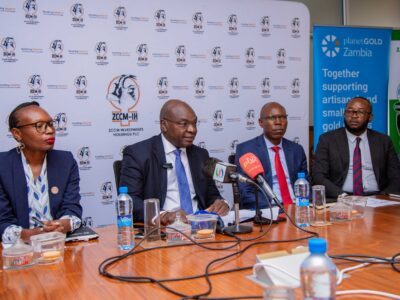
Speaking at the launch of the system in Lusaka on Thursday, Alliance for Commodity Trade in Eastern and Southern Africa (ACTESA) Chief Executive Officer, John Mukuka, said limited access to improved seed varieties had negatively impacted over 108 million people across COMESA’s total population of 610 million.
“The total seed market potential in COMESA is around two million metric tonnes. We hope to see significant growth in the next five years, as this currently represents just 2 percent of the global seed industry,” Mukuka noted.
He attributed the slow growth of the regional seed sector to policy fragmentation, with each member state previously operating under separate seed laws and regulations.
The newly introduced system is expected to harmonise seed standards, expedite exports, and enhance the availability of high-quality seed across the region.
Mukuka also acknowledged the European Union’s support for the initiative, which is anticipated to boost regional seed production and strengthen intra-COMESA agricultural trade.
Meanwhile, Agriculture Permanent Secretary for Technical Services John Mulongoti said Zambia’s seed industry remained one of the most competitive in COMESA and sub-Saharan Africa.
Mulongoti, in a speech read on his behalf by Ministry of Agriculture Director of Plant Quarantine and Phytosanitary Services Kenneth Msiska, noted that Zambia’s integrated seed system combines formal and informal sectors with both public and private stakeholders playing vital roles.
“A modern, competitive seed industry that meets national demands and contributes to regional requirements in terms of adequacy, affordability, and sustainability is essential for agricultural growth,” Mulongoti stressed.
He added that the meeting provided a platform to discuss operationalising regional seed certificates and labels, key to facilitating transparent and efficient seed movement within COMESA.
Highlighting current efforts, Mr. Mulongoti revealed that 4.3 million COMESA seed labels and regional certificates were now available for use by member states through the COMESA Seed Unit, working with National Seed Authorities.
On his part, African Seed Trade Association (AFSTA) Secretary General Yacouba Diallo urged continued engagement with seed companies to prioritise quality and compliance.
“AFSTA will leverage its convening power alongside national associations to deepen collaboration with Seed Certification Agencies and National Plant Protection Organisations,” Diallo said.
WARNING! All rights reserved. This material, and other digital content on this website, may not be reproduced, published, broadcast, rewritten or redistributed in whole or in part without prior express permission from ZAMBIA MONITOR.











Comments