
 By
By 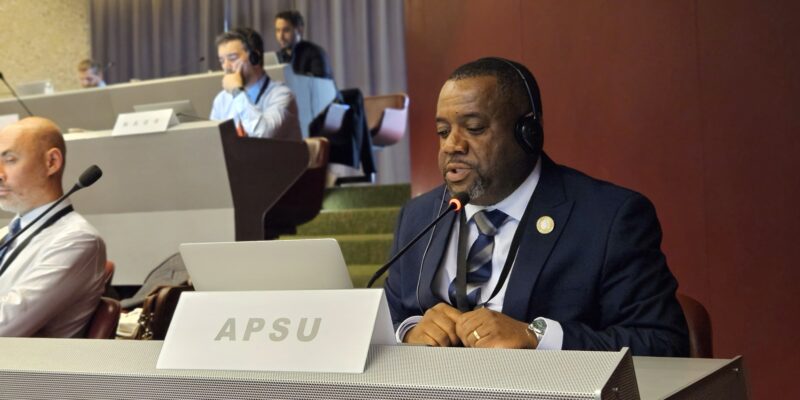
Chairperson of the African Peace and Security Union (APSU), Roll Stéphane Ngomat, has called on African countries to sign, ratify and domesticate the United Nations Arms Trade Treaty during the 12th Conference of States Parties in Geneva.
The Arms Trade Treaty regulates international trade in conventional arms and seeks to prevent and eradicate illicit trade and diversion by setting international standards for arms transfers.
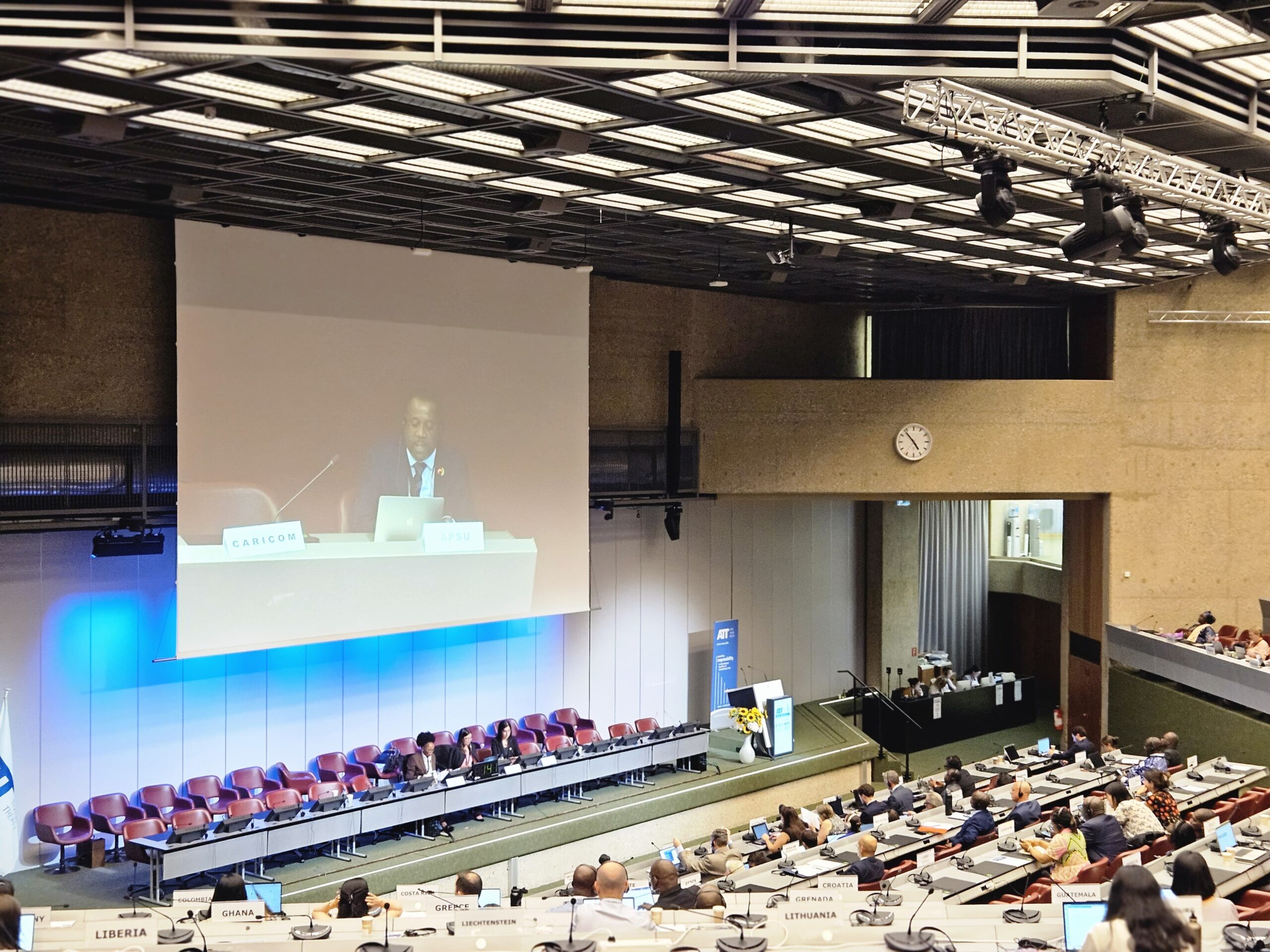
The CSP12 meeting was held in Geneva, Switzerland and brought together diplomats and state representatives to discuss conflicts and armed violence linked to the illicit proliferation of small arms and light weapons.
The conference focused on unregulated flows of weapons and ammunition that continue to fuel violence across the world and delegates examined how diversion and illicit trade undermine peace and security, according to a statement issued in Lusaka on Monday.
Ngomat, a Gabonese diplomat, used his address to push for stronger African action on arms control and urged states to move beyond signing and ratification toward full implementation in domestic law.
“It is urgent that States Parties fully embrace the Arms Trade Treaty, assume responsibility for it, and dedicate the necessary financial resources for its effective implementation,” he said.
Ngomat said states without national action plans for the Treaty should adopt them promptly and for those that already have plans, should immediately start implementing them.
“States Parties without national action plans for the Treaty should adopt them promptly, while those that already have them should implement them without delay and in good faith,” he stated.
Ngomat argued that local ownership was critical, emphasizing the need for implementation to be made a national priority and reflected in legal frameworks, policies, programs and budgets.
“States Parties must take concrete steps to make local ownership and implementation of the Arms Trade Treaty a national priority, integrating it into their national legal frameworks, policies, programs, and budgets,” he said.
The APSU chair linked illicit weapons to wider instability, saying armed conflicts were complex and have serious direct and indirect impacts on affected nations.
“The major complications of conflicts are seen in the high rate of deaths, injury and population displacement. Armed conflicts affect health: they entail violence, displacement, infrastructure damage, social disruption and heightened risk of disease transmission,” Ngomat noted.
He said the illicit trade and misuse of small arms and light weapons fueled armed violence, terrorism and organized crime therefore sustaining conflict, terrorism and criminal networks across multiple regions.
Ngomat explained that diverted weapons from national stockpiles or from any point in the supply chain often ended up with non-state armed groups and the human cost remains high.
WARNING! All rights reserved. This material, and other digital content on this website, may not be reproduced, published, broadcast, rewritten or redistributed in whole or in part without prior express permission from ZAMBIA MONITOR






Comments