
 By
By 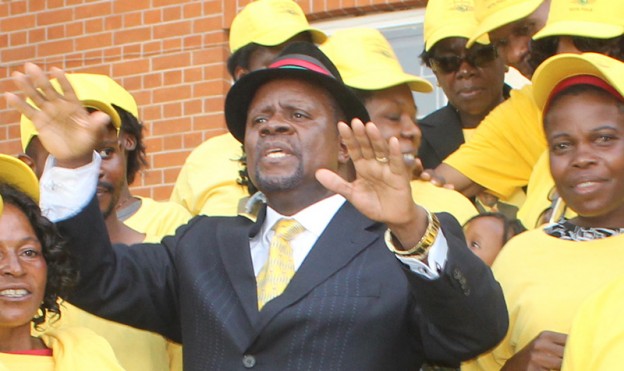
The Lusaka High Court has been asked to halt the sedition trial of Christian Democratic Party leader Apostle Daniel Pule, in a case that raises fundamental questions about whether Zambia’s sedition laws protect public order or suppress dissent.
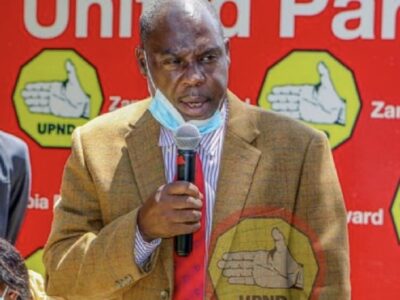
Pule is seeking a stay of proceedings in the Lusaka Subordinate Court, where he is being tried over remarks made during a United Kwacha Alliance press briefing on May 8, 2024.
He allegedly claimed that government appointments were biased towards individuals from Southern, Western and North-Western provinces. He has pleaded not guilty, and the matter is at defence stage after he was placed on his defence.
In his application, Pule rejected the State’s characterisation of his comments, insisting they were intended to promote accountability and strengthen national unity rather than ignite division.
He argued that Zambia’s sedition provisions were overly broad and were being enforced in a manner that targeted critical or dissenting voices.
Pule further submitted that allowing the criminal trial to proceed before the High Court determined the constitutionality of the sedition offence would be prejudicial and compromise fairness.
Through his lawyers, he stated that running the subordinate court proceedings concurrently with a constitutional challenge risked undermining the integrity of the justice system and might produce conflicting outcomes.
“The law, in its current application, strikes at the heart of democratic principles,” Pule argued, adding that continuing with the trial would be unjust while the legality of the offence remains under scrutiny.
According to his petition filed on November 3, 2025, Pule wants the High Court to rule on whether the offence of seditious practice is compatible with constitutional protections on freedom of expression.
He warned that failing to address the issue first could erode public confidence in the courts.
Pule is therefore asking the High Court to invoke its inherent powers to stay the proceedings, arguing that courts have a duty to prevent injustice and safeguard the administration of justice.
He maintained that subjecting him to trial under a law whose validity was actively being challenged would violate principles of fairness and due process.
WARNING! All rights reserved. This material, and other digital content on this website, may not be reproduced, published, broadcast, rewritten or redistributed in whole or in part without prior express permission from ZAMBIA MONITOR.







Comments