
 By
By 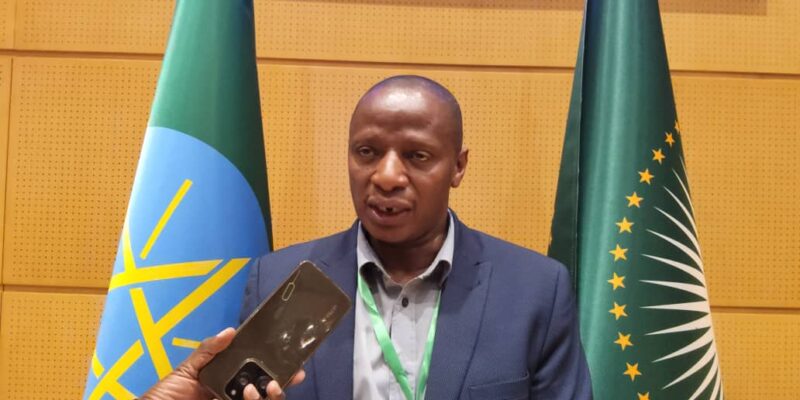
The South African Department of Electricity and Energy has urged President Hakainde Hichilema and other African Heads of State to swiftly endorse and adopt the Africa Energy Efficiency Strategy and Action Plan currently being developed by the Africa Energy Commission (AFREC).
South African Department of Electricity and Energy representative, Luvuyo Njovane, told Zambia Monitor on the second day of the pre-training sessions for the Africa Energy Efficiency Conference in Addis Ababa that the Strategy required strong political will to be effective.
Njovane highlighted the continent’s significant energy challenges, noting that over 600 million Africans — particularly in rural areas — still lack access to electricity.
He said the Strategy aimed to close this gap through the mobilisation of US$3 billion for various energy efficiency projects.
He explained that once the Strategy was endorsed and adopted, it would help unlock support from financial institutions such as the African Development Bank.
“Getting approval from African governments and stakeholders is a crucial first step. As you know, 1 billion people worldwide lack access to clean cooking and 550 million of that number are in Africa,” Njovane said.
He added that endorsement by the African Union would boost confidence in the initiative and attract development banks and investors.
Njovane said the plan was to leverage that support to develop innovative financial models that can help expand energy access for millions on the continent.
Read More: AFREC targets $3billion to boost energy efficiency across Africa (video)
According to AFREC, the Africa Energy Efficiency Strategy and Action Plan (AfEES), now under development, seeks to define the role of energy efficiency technologies in Africa’s energy mix and commits to achieving a 50 percent increase in energy productivity by 2050.
AFREC noted that rapid urbanisation and population growth were expected to triple electricity demand by 2040, even as the continent continues to hold vast untapped potential for renewable energy and energy savings.
“Access to reliable and affordable energy is essential for sustainable development and improving the quality of life for the growing population in Africa,” the African Union Energy Agency said.
The agency cited persistent barriers such as limited infrastructure, high energy costs, policy and regulatory hurdles, skills shortages, technological gaps, and low awareness among both consumers and policymakers.
It stated that the Africa Energy Efficiency Strategy and Action Plan would address these challenges by providing a continent-wide roadmap for reducing energy consumption across all sectors of life and business.
WARNING! All rights reserved. This material, and other digital content on this website, may not be reproduced, published, broadcast, rewritten or redistributed in whole or in part without prior express permission from ZAMBIA MONITOR.






Comments