
 By
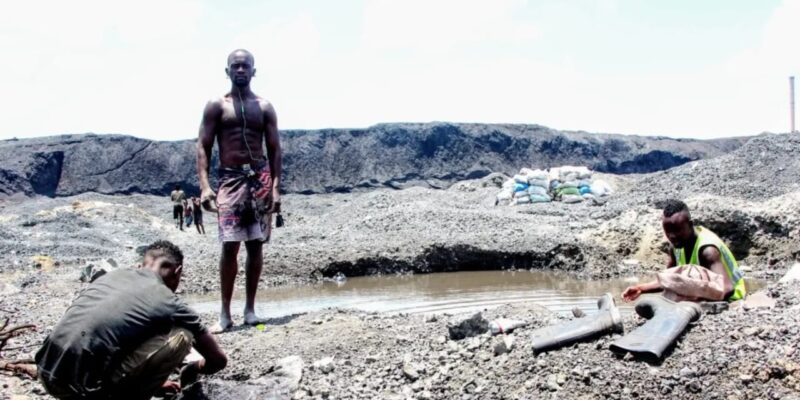
The Association of Zambian Women in Mining (AZWiM) has warned that rising mining licence and regulatory fees could discourage formalisation among artisanal and small-scale miners, despite tax concessions announced in the 2027 National Budget.
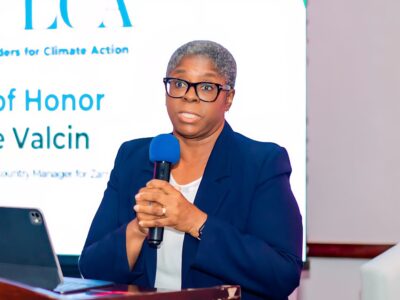
AZWiM president and founder, Namakau Amina Kaingu, said the proposed reduction in mineral royalty on artisanal and small-scale gold mining from six percent to three percent for miners selling through approved aggregators would improve profitability and encourage formal trading.
“The measure would also enhance price transparency, improve traceability and reduce exploitation by middlemen,” she said in a statement issued on Thursday.
Read more: Mines Ministry begins formalising Mpika mining operations, warns illegal operators
The association also cited changes introduced in the 2026 Budget, which raised the turnover tax threshold for artisanal and small-scale miners from K800,000 to K5 million, saying the adjustment had eased compliance requirements and supported business growth.
However, Kaingu said higher licence and regulatory fees remained a barrier for women miners, many of whom operate with limited capital and face difficulties accessing financing, equipment and reliable markets.
She warned that increased licensing costs could discourage operators from formalising their businesses or push existing licensed miners back into informal operations.
AZWiM also raised concerns over proposed increases in mobile money levies and permit fees in the 2027 Budget, saying the additional costs could affect small-scale miners who rely on mobile money to pay workers and receive payments.
The association questioned whether the K450.7 million allocated to capacity building in the artisanal and small-scale mining sector would be sufficient to support the sector’s expansion.
Kaingu said achieving the government’s target of producing three million metric tonnes of copper annually would require greater investment in training, mechanisation, occupational health and safety, as well as access to finance and markets.
“Achieving government’s target of producing three million metric tonnes of copper annually would require greater investment in training, mechanisation, occupational health and safety, as well as improved access to finance and markets,” she said.
The association called on the government to reduce licence fees for Zambian artisanal and small-scale miners, introduce flexible payment arrangements for renewals and review charges according to the scale of mining operations.
It also called for the operationalisation of approved gold aggregators and mineral marketing centres, alongside dedicated budgetary support for women in mining.
The association said it was prepared to work with the Ministries of Finance and Mines and the Zambia Revenue Authority on measures to increase women’s participation in the mining sector.
WARNING! All rights reserved. This material, and other digital content on this website, may not be reproduced, published, broadcast, rewritten or redistributed in whole or in part without prior express permission from ZAMBIA MONITOR.





Comments