
 By
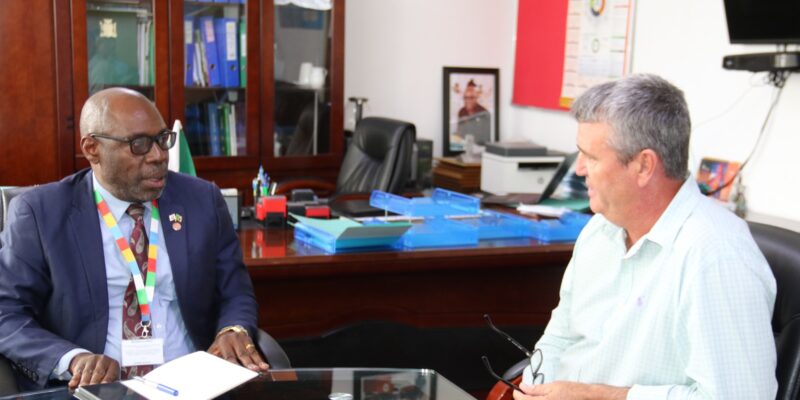
The Government says it has intensified engagements with international cattle breeders to strengthen livestock development through improved genetics, research and strategic partnerships aimed at increasing Zambia’s national cattle population to 11 million by 2031.
The latest engagement is with Glenlands Droughtmasters, an internationally renowned, family-owned cattle breeding enterprise based in Queensland, Australia.
In a statement issued in Lusaka, Ministry of Fisheries and Livestock Permanent Secretary, Dr Max Choombe, said the meeting formed part of the Government’s efforts to mobilise private sector participation in achieving the Grow Zambia Agenda targets.
He said the Government was targeting an increase in the national cattle herd to 11 million by 2031 and annual beef export earnings of US$1 billion.
Read More: Govt responds to reported outbreak of livestock diseases with anthrax vaccines
“Government is promoting Public-Private Partnerships in livestock research, genetic improvement and breed development to enhance the productivity and resilience of Zambia’s cattle population,” Choombe said.
He added that the ministry was investing in artificial insemination centres to improve access to superior cattle genetics, particularly among smallholder livestock farmers.
Choombe said the Government remained committed to working with local and international private sector players to increase cattle production, improve livestock productivity, strengthen value chains and expand Zambia’s participation in regional and international beef markets.
Glenlands Droughtmasters representative Darren Childs said the enterprise, had developed a strong reputation in breeding Droughtmaster cattle.
“The breed is recognised for its ability to withstand hot climatic conditions, offering potential opportunities for improving climate resilience and productivity within Zambia’s livestock sector,” Childs said.
He said they were willing to explore partnerships with the Zambian Government to support national livestock development through genetic improvement, breeding programmes and the strengthening of the cattle value chain.
WARNING! All rights reserved. This material, and other digital content on this website, may not be reproduced, published, broadcast, rewritten or redistributed in whole or in part without prior express permission from ZAMBIA MONITOR.









Comments