
 By
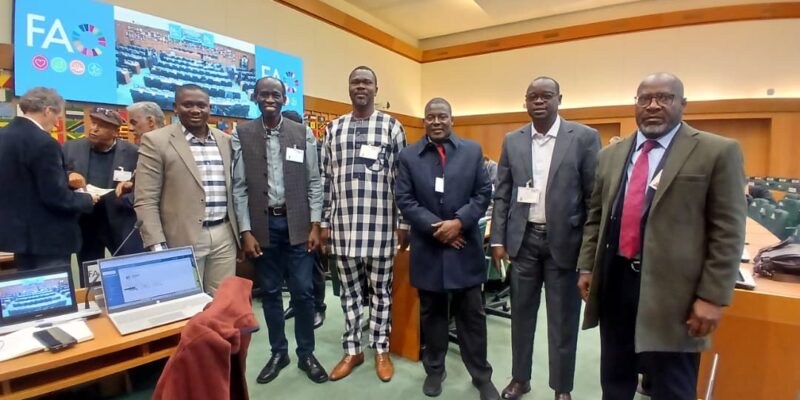
Zambia has been selected as a member of the Intergovernmental Technical Working Group on Animal Genetic Resources for Food and Agriculture under the Food and Agriculture Organization (FAO) of the United Nations.
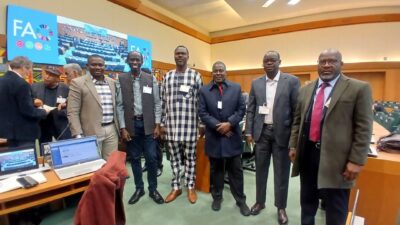
According to a statement issued in Rome, Italy, Zambia’s inclusion was announced at the just-ended 20th Session of the Commission on Genetic Resources for Food and Agriculture, held from November 24 to 27, 2026.
The commission is mandated to review the conservation, sustainable use and development of genetic resources for food and agriculture, assess progress in implementing the Global Plan of Action, establish priorities up to 2031 and guide FAO member states on policies, climate change and sustainable livestock development.
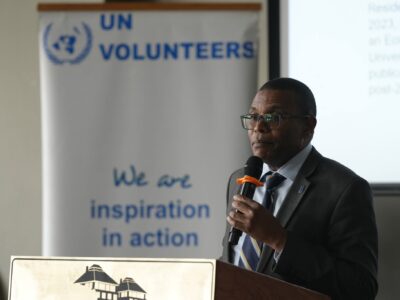
“Zambia is positioning itself well so that most of its agricultural activities and policies will be part of the Technical Working Group,” said Elison Musimuko, Assistant Director for Livestock in charge of Livestock Development and National Coordinator for Animal Genetic Resources in Zambia.
Speaking during the session, Musimuko said discussions focused on reviewing planning documents and assessing progress towards achieving targets by 2031, while emphasising the need for greater regional collaboration.
“African states should approach this together, in a united way,” he said.
Read More: EU provides €200,000 to support drought-affected communities in Zambia
Musimuko said Zambia had continued to strengthen its response to climate change since 2015 and proposed that the contribution of energy resources to climate change be considered in the review of the Global Plan of Action. He said the work focused on four key pillars: characterisation and inventory, sustainable use and development, policies, and conservation of animal genetic resources.
He also highlighted the importance of livestock nutrition and feeds in sustainable livestock development, following the adoption of the Global Plan of Action for Animal Genetic Resources in 2007. Under the Grow Zambia Agenda, the Government has set a target of increasing the national cattle herd to 11 million by 2031 and generating US$1 billion annually from beef exports.
“Pastoralists do not just keep animals. They feed the nation, they protect the breeds, they keep the rangelands alive, and they are at the heart of President Hichilema’s vision of a growing and inclusive Zambia,” Musimuko said.
The development comes as the world commemorates the International Year of Rangelands and Pastoralists 2026, declared by the United Nations General Assembly, with FAO leading its implementation to raise awareness of the importance of healthy rangelands and sustainable pastoralism and promote investment in the pastoral livestock sector.
WARNING! All rights reserved. This material, and other digital content on this website, may not be reproduced, published, broadcast, rewritten or redistributed in whole or in part without prior express permission from ZAMBIA.






Comments