
 By
By 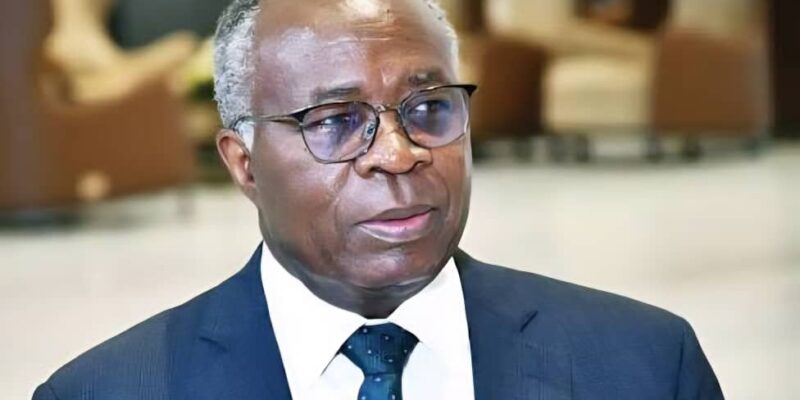
Zambia is targeting average economic growth of about 7 percent between 2027 and 2029 as the government shifts its policy focus from macroeconomic stabilisation towards higher production, investment and exports to create jobs and raise household incomes.
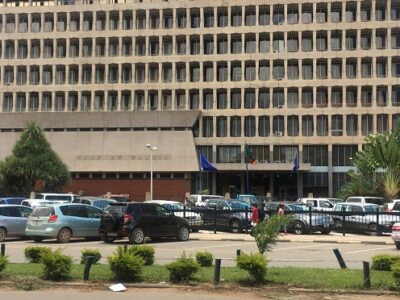
The target is contained in the 2027–2029 Medium Term Budget Plan and the 2027 National Budget Green Paper published by the Ministry of Finance and National Planning to guide formulation of the 2027 National Budget.
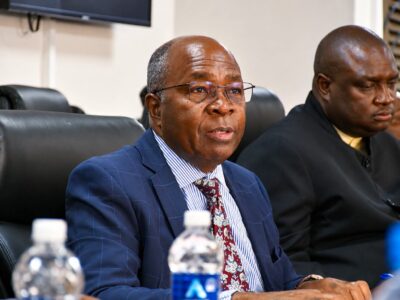
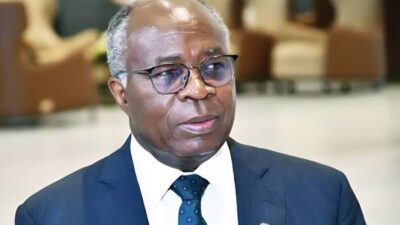
Finance and National Planning Minister, Dr. Situmbeko Musokotwane, said the framework builds on progress achieved following Zambia’s external debt restructuring and stabilisation of key macroeconomic fundamentals.
He said the next phase of Zambia’s economic programme would require coordinated action by the government, private sector and citizens to translate economic stability into measurable growth.
“Macroeconomic stability is not an end in itself. It must provide the foundation for more investment, higher production, stronger exports, more jobs and better incomes for our people,” Musokotwane said.
He said annual inflation had declined to 6.1 percent in September 2026 from 16.7 percent in December 2024, while the Kwacha strengthened to an average K17.81 per U.S. dollar and gross international reserves rose above US$5.5 billion.
“As the Secretary to the Treasury has stated, and as I have said many times before, the task before us now is to turn the stability we have achieved into economic opportunities that reach households, businesses and communities across the country,” he said.
Under the medium-term macroeconomic framework, growth is projected at 6.0 percent in 2027, 7.5 percent in 2028 and 7.1 percent in 2029, while inflation is expected to remain within the 6–8 percent target band.
Musokotwane said the strategy was anchored on the 10-10-5-3-3-1-1-1 production targets, including 10 million tonnes of maize, 10,000 megawatts of electricity, 5 million tourist arrivals and 3 million tonnes of copper.
Read More: Zambia owes $15.36 billion external debt in first half of 2026, government says
“The Government will continue to provide the policy framework, maintain fiscal and debt discipline, and improve the environment for investment. But growing the economy is a shared responsibility,” he said.
He said the private sector should expand investment, production, value addition and exports, taking advantage of opportunities in agriculture, mining, energy, tourism and manufacturing.
“Therefore, every sector must ask what it will produce, where it will invest, what it will export, and how many jobs it will create to bring more Zambians into formal employment and income-earning opportunities,” Musokotwane said.
He appealed to financial institutions to deepen access to productive financing and urged professional bodies, academia and civil society to propose reforms and provide evidence-based analysis to refine government policy.
Musokotwane said stakeholders had been invited to submit recommendations on the Green Paper by Oct. 9, 2026, to inform finalisation of the Medium Term Budget Plan and the 2027 National Budget.
WARNING! All rights reserved. This material, and other digital content on this website, may not be reproduced, published, broadcast, rewritten or redistributed in whole or in part without prior express permission from ZAMBIA MONITOR.


Comments