
 By
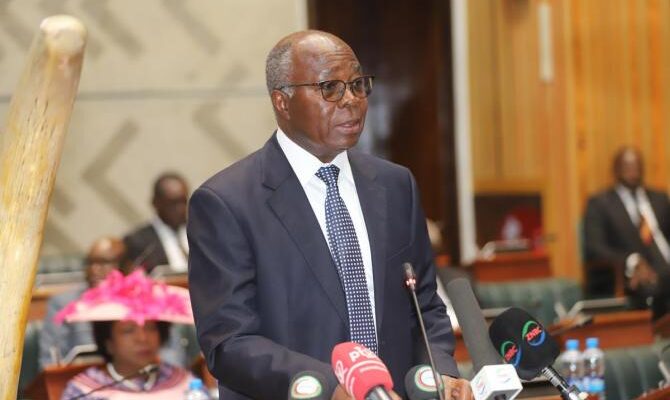
Zambia’s total Central Government debt stood at US$30.89 billion as at the end of June 2026, comprising US$15.54 billion in domestic debt and US$15.35 billion in external debt, Parliament heard on Tuesday.
External debt declined by five percent to US$15.35 billion from US$16.15 billion recorded at the end of December 2025, largely due to a liability management operation undertaken in the first half of 2026 to support the Eurobond Bond B buyback, coupled with a slowdown in external debt disbursements.
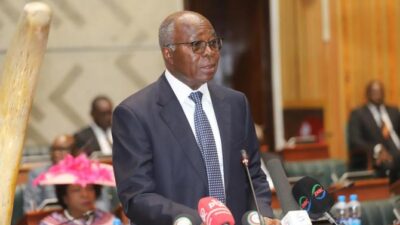
Minister of Finance and National Planning, Dr. Situmbeko Musokotwane, told the National Assembly that Government undertook a debt management operation in May 2026 involving the buyback of Eurobond Bond B, which was scheduled to mature in 2053.
Musokotwane said Government bought back approximately US$1.36 billion of Bond B ahead of maturity after determining that certain conditions attached to the bond could have increased interest costs and accelerated repayment obligations if specific economic and fiscal targets were achieved.
“Government remains firmly committed to restoring and sustaining debt sustainability through prudent debt management, continued debt restructuring and sound fiscal policies,” Musokotwane said.
He said the buyback was conducted at below the bond’s original value, generating estimated savings of US$275 million, which have been earmarked for the Energy Grid Resilience Programme aimed at strengthening the reliability and sustainability of the country’s electricity network.
The Minister said the transaction had reduced future debt repayment costs, easing pressure on future national budgets and lowering risks associated with Government borrowing.
Musokotwane said Government had also developed a Benchmark Bond Policy and would undertake further liability management operations to consolidate bonds, reduce fragmentation, improve secondary market liquidity and smoothen the maturity profile.
“These measures will help build a stronger domestic financial market, while ensuring that Government continues to borrow responsibly and manage public debt in a sustainable manner,” he said.
Read More: Lusaka cost of living rises 7.5% —Report
He said Government would submit a Special Report to Parliament providing further details of the transaction, including how the buyback was financed, its impact on the country’s debt position and the savings generated.
On the country’s engagement with the International Monetary Fund (IMF), Dr. Musokotwane said Government had reached a Staff-Level Agreement on a successor programme under the Extended Credit Facility (ECF).
“I am pleased to inform this House that on 9th October 2026, Government reached a Staff-Level Agreement with the IMF on a successor Programme under the Extended Credit Facility,” Musokotwane said.
He said the proposed successor programme would run for 36 months and amount to US$1.46 billion, with disbursements allocated equally between balance-of-payments and budget support to advance the Grow Zambia Agenda and the Ninth National Development Plan.
“It is important to note that the Staff-Level Agreement does not constitute final approval of the successor Programme,” Musokotwane said.
The IMF Executive Board is expected to consider the proposed programme in December 2026, following negotiations led by Edward Gemayel between September 29 and October 9, 2026.
The negotiations also resulted in the development of a Memorandum of Economic and Financial Policies outlining agreed objectives, policy commitments and structural reforms.
Zambia’s previous 38-month ECF programme, approved on August 31, 2022, was successfully completed on January 27, 2026, following the sixth review, under which the country accessed approximately US$1.7 billion.
WARNING! All rights reserved. This material, and other digital content on this website, may not be reproduced, published, broadcast, rewritten or redistributed in whole or in part without prior express permission from ZAMBIA MONITOR.







Comments