
 By
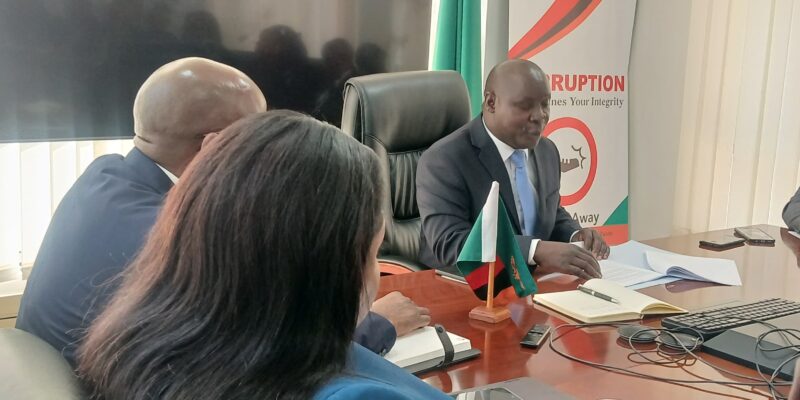
Zambia’s newly appointed environmental regulator board must strengthen compliance monitoring and move from reactive enforcement to preventive regulation to avert pollution and protect natural resources, Green Economy and Environment Minister Gilbert Siame has said.
Siame said the Zambia Environmental Management Agency (ZEMA) should identify environmental risks early, enforce regulations consistently and take corrective action before damage occurs.
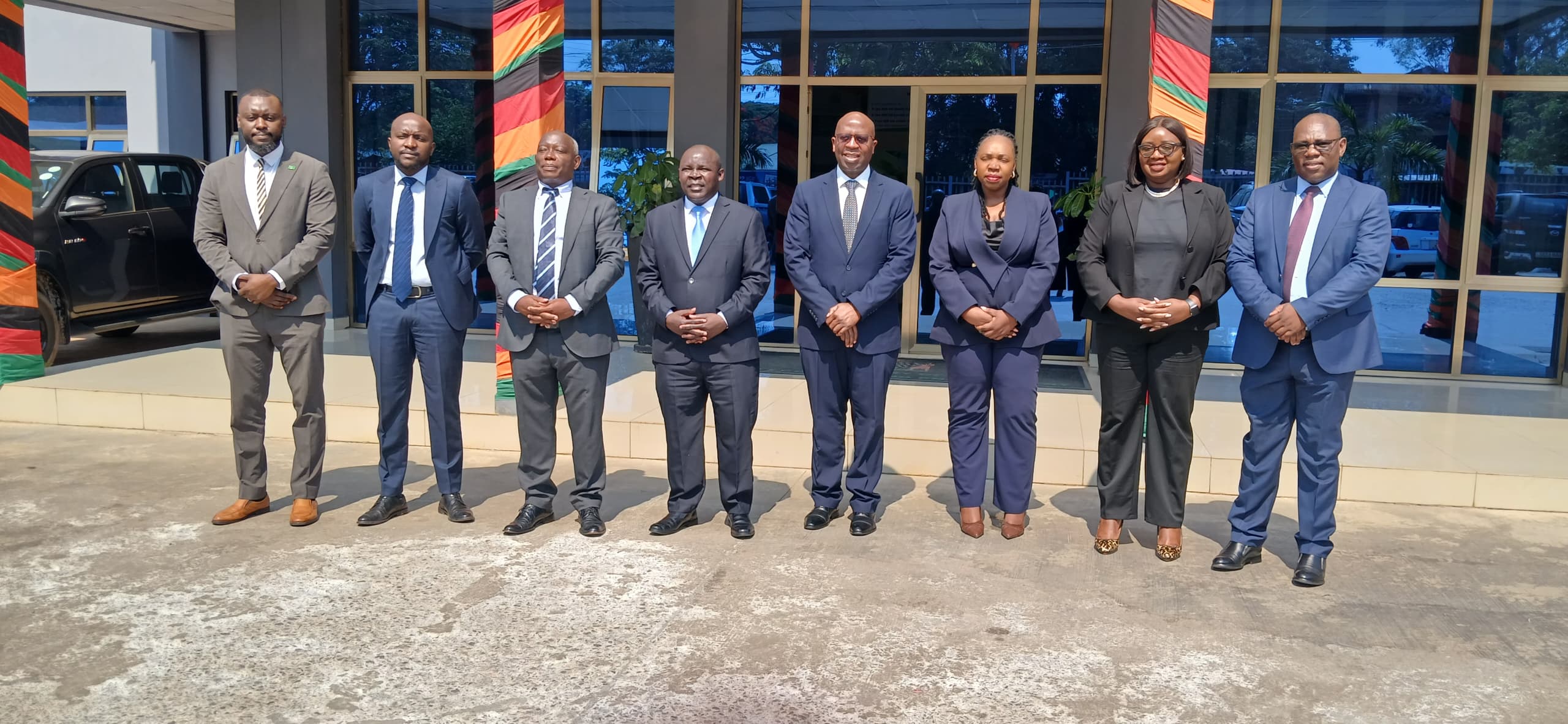
Speaking in Lusaka on Monday during the unveiling of the new ZEMA Board of Directors, led by Professor Felix Maisye, he cited pollution incidents involving mining operations as evidence of the need for stronger environmental governance.
He referred to the February 2025 collapse of a tailings dam at Sino-Metals Leach Zambia, which resulted in the discharge of acidic and toxic waste into the Mwambashi and Kafue rivers.
The incident disrupted water supplies, damaged ecosystems, affected fisheries and undermined livelihoods, Siame said, adding that some communities continued to experience its effects.
“We cannot continue business as usual. ZEMA should be positioned to identify risks early, enforce compliance consistently and take corrective action before harm occurs,” he said.
The minister also cited a recent pollution incident in Chingola involving reported discharges from mining infrastructure into the Mushishima Stream and the Kafue River, saying investigations were ongoing.
Siame said ZEMA must meet public expectations while ensuring that regulatory delays did not become an obstacle to responsible investment.
To improve compliance, he directed the agency to establish a risk-based monitoring framework targeting high-risk sectors, including mining, energy, manufacturing and waste management, supported by digital systems and real-time reporting.
He said inspections should be prioritised according to environmental risk profiles rather than routine schedules, while digital monitoring should be deployed at tailings dams and major effluent discharge points.
“ZEMA shall establish an Environmental Compliance Monitoring Centre capable of receiving and analysing real-time environmental data from high-risk facilities,” Siame said.
He also ordered mandatory quarterly environmental compliance audits for high-risk facilities, with reports submitted electronically and persistent violations attracting escalating measures, including penalties and licence reviews.
On environmental permitting, Siame directed ZEMA to transition fully to digital processing by December 30, with an integrated platform for applications, payments, reviews and tracking.
He said environmental impact assessments should be approved within legally stipulated timeframes, while projects assessed as having minimal risks should qualify for presumptive approvals.
The minister also called for a fast-track regulatory window for compliant investors and low-risk projects, with requirements tailored to the level of environmental risk and simplified procedures for modifications that did not alter environmental impacts.
Siame said Zambia should also unlock economic opportunities from its natural resources through carbon markets and sustainable forestry.
He directed the ministry to finalise the carbon market regulatory framework, establish a National Carbon Registry and create a dedicated Carbon Markets Desk.
“Our forests are not only environmental assets; they are economic assets. If managed sustainably, they can generate jobs, attract investment and strengthen rural livelihoods,” he said.
He called for support for chiefdoms, community forest groups and local authorities to develop community-led carbon projects with clear benefit-sharing arrangements.
The minister also directed the expansion of afforestation initiatives and enterprises led by young people and women in seedling production and beekeeping.
On climate financing, Siame called for the establishment of a Climate Finance Project Preparation Facility and the development of a pipeline of bankable projects in renewable energy, water security, carbon trading and electric mobility.
He said partnerships with ZANACO, an accredited Green Climate Fund entity, and Zambia Industrial Commercial Bank should help expand green lending to small and medium-sized enterprises, young people, women and farmers.
Siame said a performance management system would be introduced across the ministry and its agencies, alongside a comprehensive skills audit and organisational restructuring.
He said all departments and agencies would be expected to achieve at least 90 percent of their agreed annual performance targets.
“We must get things done, and this must be done now. There shall be no excuse,” he said.
WARNING! All rights reserved. This material, and other digital content on this website, may not be reproduced, published, broadcast, rewritten or redistributed in whole or in part without prior express permission from ZAMBIA MONITOR.












Comments