
 By
By 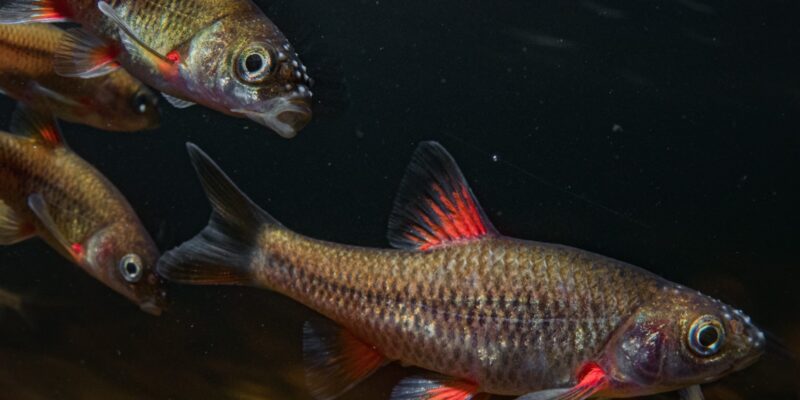
A new report by the World Wide Fund for Nature (WWF) has revealed that 26 percent of Africa’s assessed freshwater fish species are threatened with extinction, warning that the real figure could be much higher due to major data gaps.
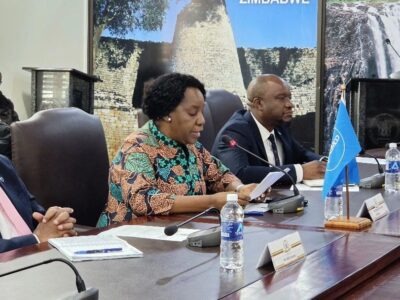
Released Thursday ahead of a major global wetlands conference in Zimbabwe, the report titled “Africa’s Forgotten Fishes” sheds light on the escalating biodiversity crisis in Africa’s rivers, lakes, and wetlands, calling for urgent action to safeguard freshwater ecosystems.
The WWF report highlights several unique and endangered species, including the African lungfish—which can survive droughts by burying itself in mud for years—the blind cichlid of the Congo Basin adapted to life in dark underground waters, and the ancient bichirs, often dubbed “living fossils” for their prehistoric lineage.
Also featured is the fearsome African tigerfish, known for its speed and powerful jaws.

WWF Africa Freshwater Lead, Eric Oyare, said freshwater fishes are essential to the functioning of aquatic ecosystems, serving as predators, herbivores, and recyclers of nutrients.
“Africa is a global hotspot of freshwater fish diversity, home to over 3,200 species, but it’s also a hotspot of risk.
“When these fish disappear, we lose much more than species—we lose food and nutrition security, livelihoods, ecosystem balance, and our ability to adapt to climate change,” Oyare said.
He warned that freshwater fish declines reflect broader deterioration of Africa’s freshwater systems—ecosystems that millions rely on for drinking water, agriculture, transport, and fisheries.
While these species are often excluded from global conservation agendas, the report emphasizes that they form the backbone of Africa’s inland fisheries, which provide income and protein to vulnerable rural communities.
“But these lifelines are collapsing under the weight of multiple threats,” he said, citing widespread habitat destruction from dam construction, deforestation, mining, and land conversion; pollution from agricultural runoff, urban waste, and industry; invasive species; overfishing—including the use of destructive gear such as mosquito nets—and climate change.
According to the report, freshwater fish catches in the Zambezi floodplain have dropped by up to 90 percent, and Lake Malawi’s iconic chambo tilapia—featured on the Malawian kwacha—has declined by 94 percent.
Read More: Reports say Zambia, Zimbabwe may issue fresh tenders for $5 billion Batoka power project
Machaya Chomba, Africa Freshwater Protection Manager at The Nature Conservancy (TNC), which co-authored the report, said the decline in freshwater species amounted to more than just a biodiversity crisis.
“The disappearance of freshwater fish is not just a biodiversity crisis—it is a direct threat to food, livelihoods, and cultural identity for millions across Africa,” Chomba said.
WWF is calling on African governments and regional stakeholders to adopt the Emergency Recovery Plan for Freshwater Biodiversity—a science-based roadmap developed by global experts to restore freshwater health and community resilience.
Despite the grim findings, the report also offers hope.
It highlights successful community-led conservation efforts across Tanzania, Zambia, and Namibia, where local groups are protecting breeding zones, co-managing fisheries, and rehabilitating degraded habitats.
The upcoming wetlands summit in Zimbabwe is expected to put pressure on African leaders to prioritise freshwater restoration and implement scalable, locally driven solutions.
WARNING! All rights reserved. This material, and other digital content on this website, may not be reproduced, published, broadcast, rewritten or redistributed in whole or in part without prior express permission from ZAMBIA MONITOR.










Comments