
 By
By 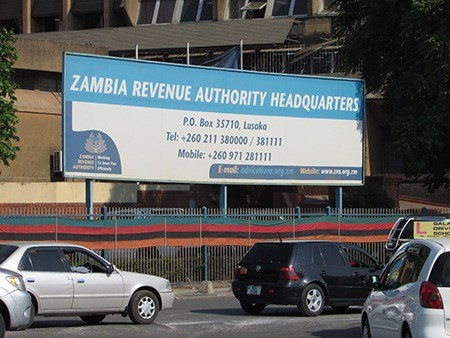
Businesses across Zambia continue to face operational challenges following ongoing system glitches on the Zambia Revenue Authority (ZRA) platform, raising concerns about the reliability of the country’s digital tax infrastructure.
The disruptions come weeks after the authority announced that its key systems had been restored following a major technical outage that began on March 1.
While ZRA maintains that services were brought back online within 72 hours, many businesses report that access issues persist, affecting their ability to conduct routine transactions.
At the centre of the problem is the failure to consistently access critical digital tools such as Smart Invoice, TaxOnline, the Integrated Payment System, and ASYCUDAWorld—platforms that are essential for tax compliance and financial operations.
For many companies, the inability to generate Smart Invoices has proven particularly disruptive. These invoices are a prerequisite for processing payments, verifying transactions, and filing tax returns.
Without them, businesses find themselves unable to complete deals or receive payments from clients, effectively slowing down the flow of commerce.
Read more: ZRA reports smart invoice system disruption
In a statement issued earlier this month, ZRA Commissioner General Dingani Banda acknowledged the outage and its impact but assured stakeholders that the situation had been resolved.
“As part of the remedial measures for the service disruption, the Authority will waive penalties and interest directly related to this outage,” Banda said, adding that efforts had been made to restore normal operations as quickly as possible.
However, on the ground, many businesses paint a different picture, with Zambia Monitor having reported and monitored the challenges being experienced by several businesses.
Economist Kelvin Chisanga says the continued instability of ZRA’s digital platforms is creating widespread operational bottlenecks.
Commenting on the issue on Monday, Chisanga noted that companies across various sectors depend heavily on these systems to process invoices, verify tax documentation, and manage compliance-related transactions.
“The disruptions are slowing financial transactions between suppliers and clients because many payments require validated tax invoices and confirmation through the ZRA platform,” he said.
According to Chisanga, the impact is particularly severe for small and medium-sized enterprises (SMEs), which rely on steady cash flow to sustain their operations. Delays in invoice approvals and payment processing can quickly translate into financial strain, affecting their ability to meet obligations such as salaries, supplier payments, and loan repayments.
He explained that when digital systems failed, even temporarily, they created a ripple effect throughout the business ecosystem.
Suppliers cannot issue compliant invoices, clients cannot process payments, and financial records cannot be properly updated—all of which contribute to slowed economic activity.
The outage earlier this month affected taxpayers and businesses nationwide, limiting access to essential ZRA services and delaying both tax compliance and customs procedures.
For importers and exporters, interruptions in systems like ASYCUDAWorld have also meant slower clearance of goods, adding another layer of complexity to business operations.
While Zambia has made notable progress in digitising its tax administration in recent years, the current challenges highlight vulnerabilities in the system.
Chisanga emphasised that the situation underscored the need for stronger system resilience and more robust digital infrastructure within critical public institutions.
“Reliable digital platforms are no longer optional—they are central to the functioning of modern economies,” he said.
“Any prolonged disruption can have real economic consequences, especially for businesses operating on tight margins,” Chisanga said.
For now, businesses are left navigating uncertainty, often resorting to manual workarounds or delaying transactions altogether. While the waiver of penalties and interest offers some relief, many stakeholders argue that restoring full system functionality and stability should be the immediate priority.
As Zambia continues its push toward a more digital economy, the ongoing ZRA system challenges serve as a reminder that technological advancement must be matched with reliability, efficiency, and resilience.
Until then, businesses remain vulnerable to disruptions that can stall growth and undermine confidence in critical public systems.
WARNING! All rights reserved. This material, and other digital content on this website, may not be reproduced, published, broadcast, rewritten or redistributed in whole or in part without prior express permission from ZAMBIA MONITOR.










Comments