
 By
By 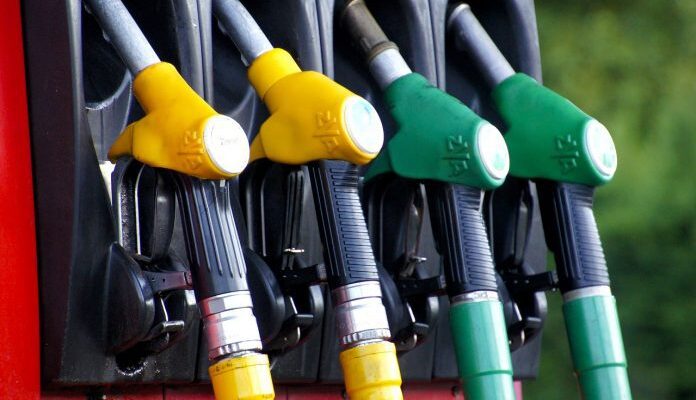
The Zambian government says it has implemented targeted measures to safeguard national energy security and cushion consumers from fuel price shocks arising from the ongoing Middle East conflict.
According to the Ministry of Energy, one of the key interventions has been the revamping of three strategic petroleum storage depots in Mongu District, Mansa District and Chipata District, with a combined capacity of 20 million litres.
In a statement issued in Lusaka on Thursday, Ministry of Energy Permanent Secretary, Professor Ephraim Munshifwa, said the upgraded facilities add to existing national storage in Ndola and Mpika, strengthening the country’s fuel reserve system and ensuring stable supply across all regions.
Munshifwa noted that global petroleum prices had risen sharply as geopolitical tensions in the Middle East disrupt supply chains and heighten uncertainty on the international oil market.
He said government was working to diversify import channels and secure alternative supply sources should global instability persist.
Munshifwa assured the public that Zambia’s fuel supply remained stable, with adequate stocks to meet national demand.
“As of today, 19 March 2026, total available diesel stocks — combining inland reserves and stocks in transit through Kigamboni, Dar es Salaam — stand at 285 million litres,” he said, adding that this equated to approximately 56 days of national cover based on average consumption of 5 million litres per day.
Read More: Government blames fuel shortages on logistical delays
Petrol stocks are at 40 million litres (23 days of cover), kerosene at 65.9 million litres (9.3 days), and Jet A-1 at 1.6 million litres (10 days).
Munshifwa urged motorists to avoid panic buying and warned industry players against hoarding, saying such practices could create artificial shortages. He said government would act firmly against any entities found engaging in irregular conduct.
He added that the average crude oil price prior to the escalation of the conflict was around US$78 per barrel, but had since increased to about US$94 per barrel, exerting upward pressure on domestic fuel pricing.
Munshifwa said government continued to engage Oil Marketing Companies, transporters and regional partners to ensure coordinated solutions within the petroleum value chain.
“The Ministry of Energy will continue to monitor global developments and implement interventions necessary to safeguard Zambia’s energy security and protect consumers,” he said.
WARNING! All rights reserved. This material, and other digital content on this website, may not be reproduced, published, broadcast, rewritten or redistributed in whole or in part without prior express permission from ZAMBIA MONITOR.






Comments