
 By
By 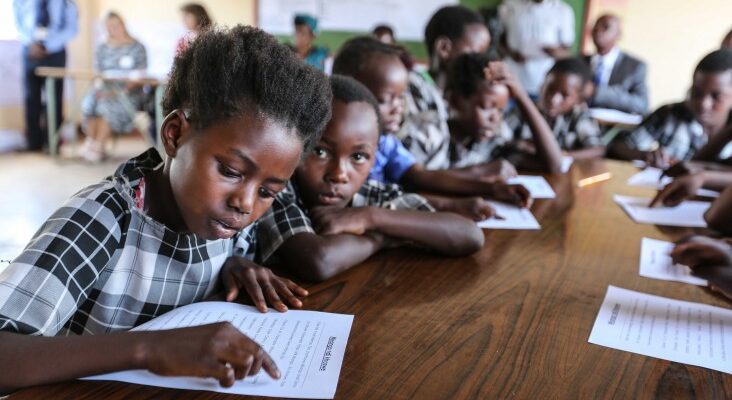
The Heritage Party has warned that Zambia’s new education reforms were being undermined by rushed implementation, inadequate learning materials, and severe infrastructure gaps—putting an entire generation at risk.
Dr. Samuel Kasankha, Vice President of the New Heritage Party said that interviews with teachers, learners, parents, and education officials revealed a system “operating without a complete map.”
In a statement issued in Lusaka on Friday, Kasankha said the Competence-Based Curriculum (CBC) was rolled out before teaching guides and learner materials were ready.
He noted that the national curriculum was last reviewed in 2013 and was due for reform, but education professionals confirmed that the rollout was rushed.
“While the intentions behind modernising education are widely supported, well-intended programs may have been implemented too quickly, and without that urgency being matched by preparation, the very future of our learners is being placed at serious risk,” Kasankha said.
He said teachers interviewed were not opposed to competency-based learning but expressed “uniform alarm” over the disorganisation surrounding its implementation.
According to several classroom educators, materials for Term 1 of Form 1 were only delivered at the start of the recently ended term, when learners were already transitioning into Form 2.
Kasankha further said Education Standards Officers, Heads of Departments, and Head Teachers lacked proper tools to evaluate CBC lessons.
“The curriculum demands research, hands-on science, and digital literacy, yet most government schools lack computers, internet, libraries, and laboratories,” he said.
He urged parents to ask children in large government schools whether they have ever used a functional computer.
Read More: Govt announces phased rollout of competence-based curriculum beginning 2025
Kasankha acknowledged that free education had increased enrolment but argued that school grants remained inadequate, with some institutions receiving less than K100,000 per quarter—an amount he said was insufficient for basic administration.
On school feeding, Kasankha said the programme was inconsistent and heavily reliant on location and external donors.
“In most rural primary schools, the program is run by international NGOs like Mary’s Meals. It definitely should not be postured as being a universal and successful program,” he said.
Kasankha also criticised teacher unions for remaining silent on what he called “curriculum failure, material shortages, and classroom overcrowding,” saying such silence amounts to “complicity in an injustice.”
He proposed a three-part remedy: balancing resources between workshops and school grants; conducting an honest audit of infrastructure and staffing with timelines for recruitment and material delivery; and ensuring merit-based deployment and promotion of staff.
WARNING! All rights reserved. This material, and other digital content on this website, may not be reproduced, published, broadcast, rewritten or redistributed in whole or in part without prior express permission from ZAMBIA MONITOR.








Comments