
 By
By 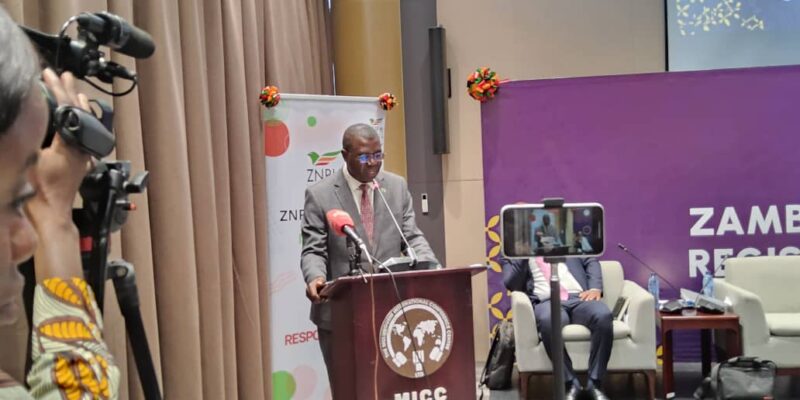
Government on Thursday launched the Sample Based Registration System with Vital Statistics Community Engagement Strategic Plan Document and IEC materials to help address a critical gap in the country’s health data collection.
The Ministry of Health said the system would deal with the critical health gaps especially that nearly 48 percent of deaths in Zambia occur outside healthcare facilities and these “silent deaths” often go unrecorded in routine health data systems.
The launch, held at Mulungushi International Conference Centre under the theme: “moving from snapshots to continuous precision on public pealth,” was officiated by Dr. Kennedy Lishimpi, Permanent Secretary for Technical Services, Ministry of Health.
In a speech read on his behalf by Professor Roma Chilengi, the Zambia National Public Health Institute (ZNPHI) Director General, Lishimpi said the new system marks a shift from retrospective estimation to continuous, real-time surveillance of vital events.
He noted that Zambia had historically relied on large-scale national exercises such as the 2022 National Census and the 2024 Zambia Demographic and Health Survey to understand its health landscape.
“By their nature, such surveys rely on retrospective data collected over several years. As a result, they cannot provide the real-time, localised, and cause-specific mortality data required for timely public health action,” Lishimpi said.
Read More: First Lady, Mutinta, calls for enhanced health infrastructure in Northern Province
He said the tools remained critical but do not present a complete picture because they tell how many lives were lost in the past, not why those lives were being lost today.
“Through this system, Community Surveillance Assistants play a vital role in identifying pregnancies and deaths within communities, thereby linking households, particularly in remote areas, to the formal health system,” Lishimpi said.
He explained that the continuous flow of data enabled more responsive and evidence-based decision-making and strengthens the ability to allocate resources effectively.
Lishimpi added that the system promoted early interventions such as antenatal care, and enhances capacity to detect and respond to emerging public health threats at the earliest stage.
“To achieve this transformative shift in how we understand and respond to our nation’s health needs, collaboration is essential. We cannot succeed in isolation; we must work hand-in-hand with our communities,” he said.
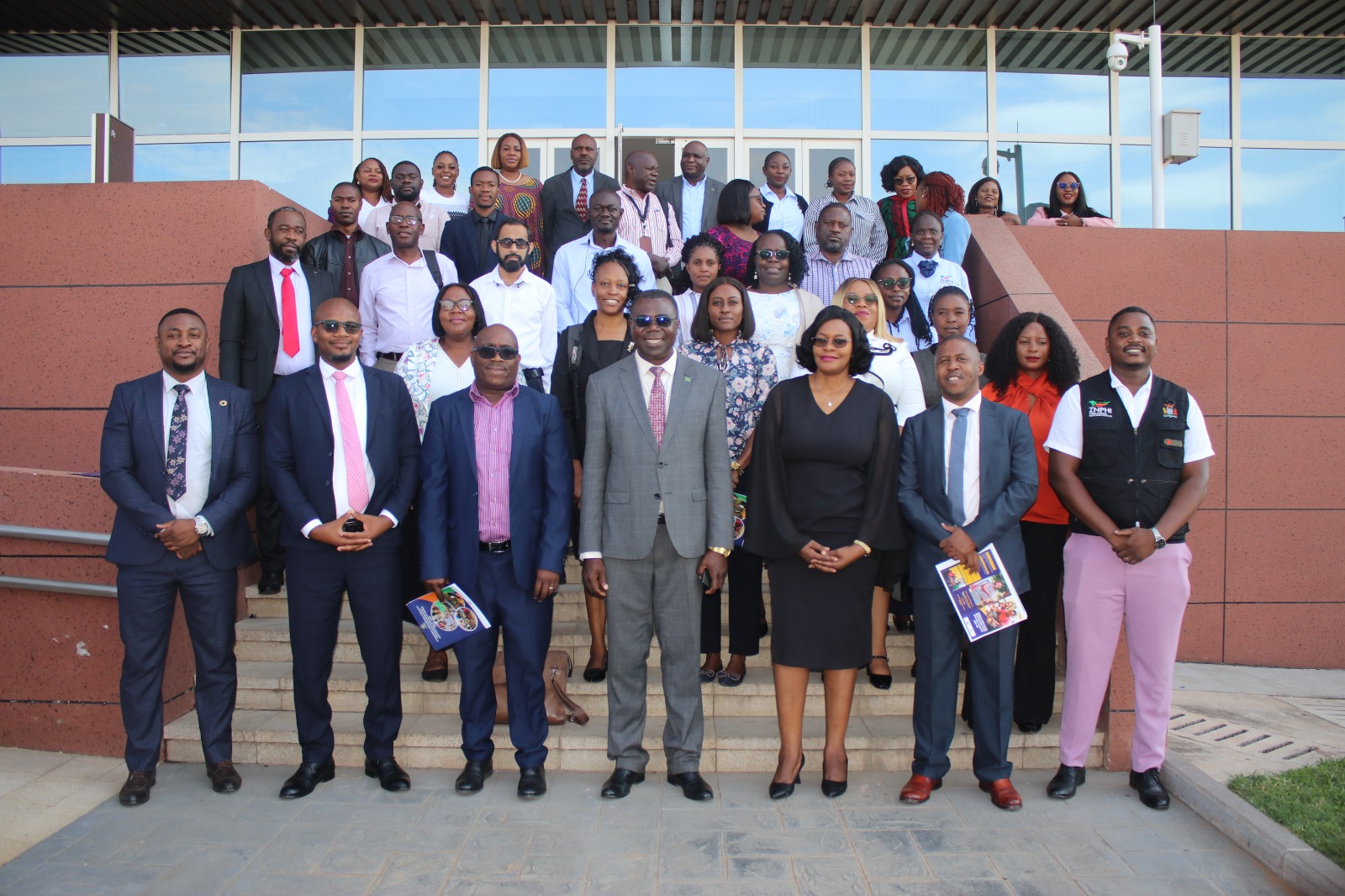
Lishimpi stated that the tools being launched today were more than just documents, they were instruments of trust and engagement between government and citizens.
He said the government expected the materials to be deployed across all districts and to inspire meaningful, life-saving dialogue within communities.
“May they ensure that every life counts by guaranteeing that every vital event is recognised, recorded, and respected,” Lishimpi said.
In a speech read on his behalf by Dr. Paul Zulu, ZNPHI Director Emergency Preparedness Response, Chilengi noted that Zambia’s Civil Registration and Vital Statistics system had historically faced a significant challenge.
“The Sample-Based Registration System with Vital Statistics (SRS-VS) provides a definitive and practical solution to this challenge,” he said.
Chilengi said it was a cost-effective and sustainable system that monitored a statistically representative sample of the population, generating reliable and timely mortality data.
He stated that importantly, the SRS-VS was not a parallel or stand-alone initiative, but rather a strategic catalyst towards strengthening and completing the national CRVS system.
WARNING! All rights reserved. This material, and other digital content on this website, may not be reproduced, published, broadcast, rewritten or redistributed in whole or in part without prior express permission from ZAMBIA MONITOR.











Comments