
 By
By 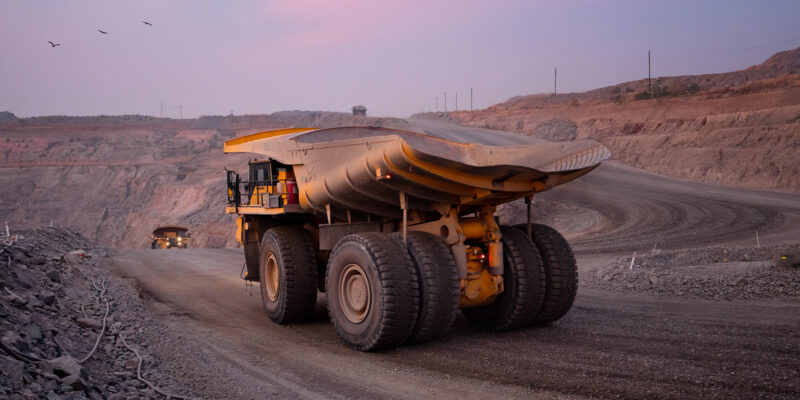
Copper production in Zambia fell by 4.27 percent in the first quarter of 2026 compared to the same period last year, with total output recorded at 208,992.66 metric tonnes, authorities have announced.
The Ministry of Mines and Minerals Development attributed the decline to reduced output from small-scale operations, while large-scale mines recorded a modest increase during the quarter ended 31st March 2026.
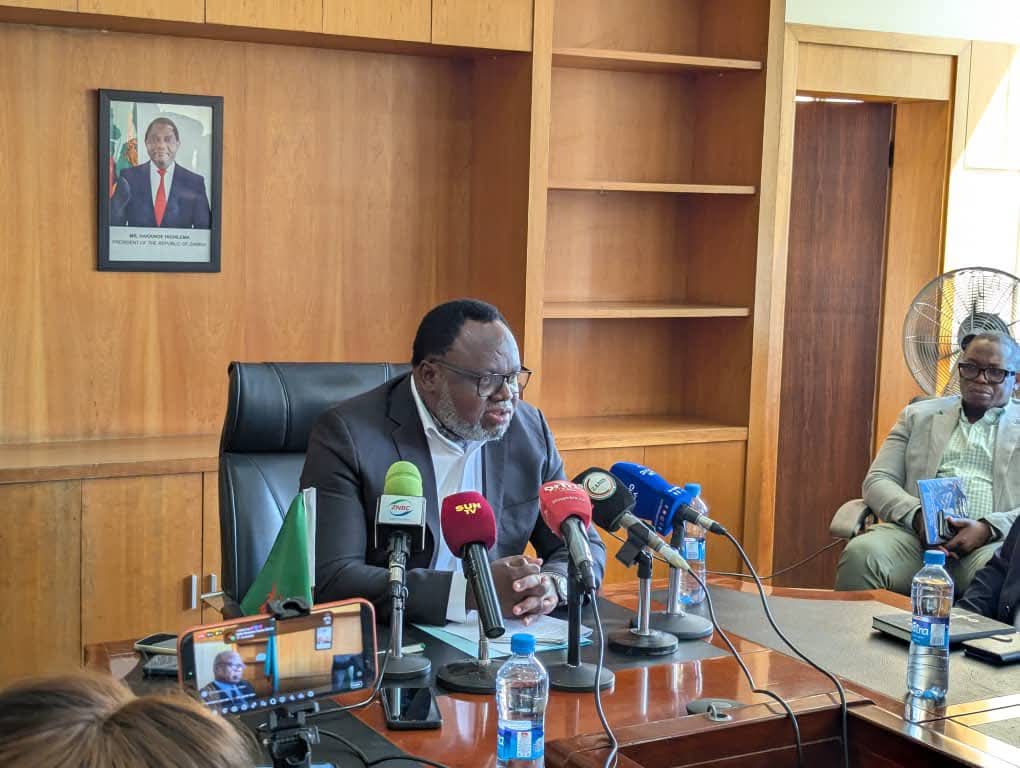
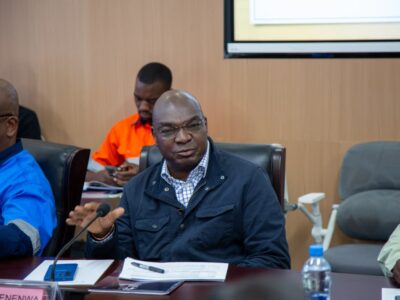
Out-going Mines and Minerals Development Minister Paul Kabuswe announced this at a media briefing held in in Lusaka on Wednesday at his office during a media briefing.
On a positive note, Copper production from large-scale mines rose to 198,930.17 metric tonnes from 195,418.89 metric tonnes in the first quarter of 2025, representing a year-on-year increase of 1.8 percent.
Kabuswe said the combined figures include output from both large-scale mining operations and Small-Scale Processing Plants across the country.
“I am pleased to report that the mining sector recorded encouraging performance during the first quarter of 2026, largely driven by increased investor confidence, ongoing mine recapitalization programmes,” he said.
Additionally, expansion projects, and the positive impact of policy and regulatory reforms implemented by Government during the past five years under the leadership of President Hakainde Hichilema.
Lumwana Mine posted the strongest growth among large operations, with production up 19.20 percent compared to the first quarter of 2025.
Kabuswe said the improved output was driven by increased mining fleet capacity, enhanced operational efficiencies, and improved budgetary support.
Konkola and Mopani also recorded gains, with production rising 22.02 percent and 4.39 percent respectively.
He said the improvements reflected ongoing recapitalisation programmes, enhanced mine development activities, improved equipment availability, and greater consistency in plant feed supply.
“Kanshi Mining Plc recorded a decline in copper production of 4.25 percent during the first quarter of 2026. This reduction was primarily attributed to lower ore grades processed during the period under review compared to the corresponding period in 2025,” kabuswe said.
NFCA recorded a decline of 10.51 percent after placing the South East Orebody under care and maintenance from July to December 2025 and operations resumed in January 2026 through a phased restart programme.
Overall, the large-scale mining subsector recorded a modest improvement in copper production, with gains at Lumwana, Konkola, Mopani and other operations helping to offset declines at Kansanshi, NFCA, FQM Trident and Sino Metals.
“This growth is an indication of the resilience of the mining sector and reflects the positive impact of ongoing investments, mine expansion projects, improved operational efficiencies, and Government’s continued efforts to provide a stable and conducive environment for mining operations,” Kabuswe said.
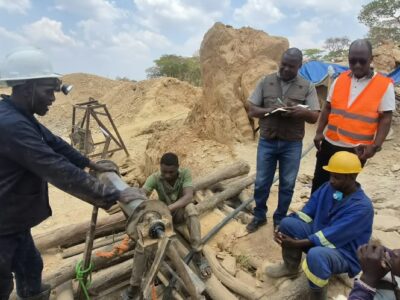
Copper output from small-scale operations dropped 56.04 percent to 10,062.49 metric tonnes, down from 22,889.31 metric tonnes in the first quarter of 2025.
The Minister attributed the decline to reduced compliance in submitting monthly production reports.
He said it remained committed to strengthening compliance, improving reporting mechanisms, and enhancing monitoring systems within the small-scale mining subsector.
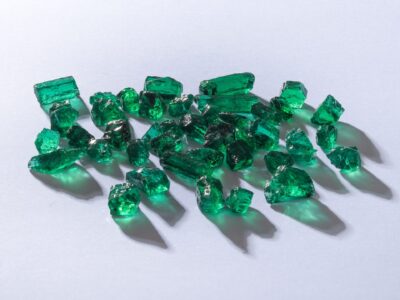
Outside copper, nickel production rose 142.75 percent to 12,570.9 metric tonnes, gold increased 13.2 percent to 1,134.42 kg, and cobalt was up 9.15 percent to 74.29 metric tonnes. Emerald production surged 241.41 percent to 8,328.08 kg.
“Cobalt production increased substantially by 9.15 percent in 2026 compared to 2025. This continued growth was primarily driven by higher output of cobalt-alloys associated with increased copper production at KCM, as well as greater recovery of cobalt contained in copper anodes,” Kabuswe said.
He said no mining licences were issued in the quarter due to the absence of a constituted Minerals Regulation Commission Board.
Kabuswe said the inaugural board was appointed on May 6, 2026 and the Mining Licensing Committee would begin reviewing outstanding applications.
“With the Board now duly constituted, the process of establishing the Mining Licensing Committee will commence without delay, and sittings to review and consider outstanding mining rights applications will begin immediately thereafter,” Kabuswe said.
On the Local Content Access System, Kabuswe said this was operationalised in Q1 2026 after training 30 users from mining companies.
He said the Countrywide High-Resolution Aerial Geophysical Survey had reached 73 percent coverage by May 11 and could be completed by August 2026.
Kabuswe added that Zambia Gold Company purchased 3.65 kg of gold from artisanal miners in Rufunsa, Mumbwa and Lusangazi at a cost of K8.54 million, an increase of 84.36 percent from the same period in 2025.
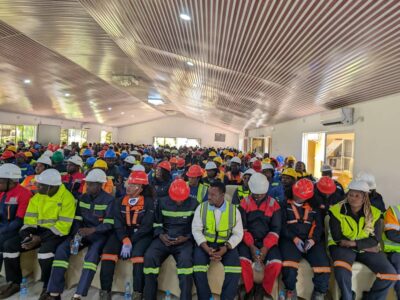
In Southern Province, 237 mining cooperatives were trained in safe mining methods and environmental management.
“Government remains committed to ensuring that the growth of the mining sector translates into tangible benefits for the people of Zambia through employment creation, infrastructure development, increased revenue generation, business opportunities, and improved livelihoods,” Kabuswe assured.
WARNING! All rights reserved. This material, and other digital content on this website, may not be reproduced, published, broadcast, rewritten or redistributed in whole or in part without prior express permission from ZAMBIA MONITOR.





Comments