
 By

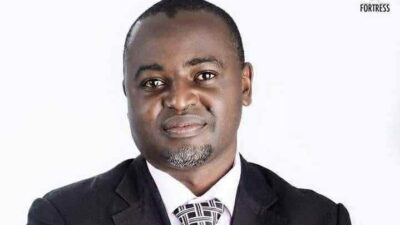
Good governance enthusiast, Professor Kaluba Kapapula, has proposed constitutional reforms to transform Zambia’s House of Chiefs into a formal legislative and oversight body with powers to check executive overreach.
Kapapula is calling for the restructuring of the House of Chiefs into an influential upper legislative chamber or Second House, with constitutional authority to provide checks on presidential powers.
In a statement issued in Lusaka on Sunday, Kapapula argued that under the current legal framework, the House of Chiefs primarily serves as an advisory body to the Government on traditional and customary matters, leaving the country vulnerable to executive dominance and partisan polarisation.
Read more: Developing Story: Zambian govt moves to dissolve, merge, align ministries
He said his proposed reforms would anchor the restructured chamber in indigenous governance systems, which he described as enjoying deep cultural legitimacy and remaining largely removed from partisan politics.
“The executive branch has historically wielded disproportionate power, often rendering other oversight institutions ineffective,” Kapapula stated.
To ensure nationwide representation and authority, Kapapula proposed a new composition drawing from senior traditional leaders representing Zambia’s provinces.
“We must look to our traditional leaders to provide a stabilizing, non-partisan buffer,” he stated.
The proposed composition includes Paramount Chief Chitimukulu for Northern Province, Paramount Chief Kalonga Gawa Undi and Paramount Chief Mpezeni for Eastern Province, and the Litunga for Western Province.
For Luapula Province, he proposed the inclusion of Senior Chief Mwata Kazembe and the senior leadership of the Mansa chiefs, while Senior Chief Muchinda would represent Central Province.
Other proposed members include Senior Chief Kanongesha, Senior Chief Ishima, Senior Chief Kasempa and Senior Chief Ndungu for North-Western Province; Senior Chief Monze for Southern Province; and Senior Chieftainess Nkomeshya Mukamambo II for Lusaka Province.
Kapapula’s proposal outlines several constitutional amendments that would give the reformed chamber expanded legislative and oversight responsibilities.
These include granting it veto powers over executive decisions considered threats to national unity, as well as authority to formally censure executive actions.
He further proposed that the chamber serve as a platform for resolving major political grievances above partisan interests, allowing political parties, civil society organisations and ordinary citizens to present complaints when court processes or parliamentary procedures reach a deadlock.
Other proposed powers include ratification of strategic national appointments, such as the Chairperson of the Electoral Commission, the head of the Anti-Corruption Commission and the Public Protector.
The chamber would also have mandatory co-signing authority over international treaties affecting natural resources, mineral wealth and ancestral lands.
“In extreme crises, the body will serve as an institutional fortress representing the people whenever they feel the presidency is out of order to oversee and validate impeachment proceedings alongside the judiciary,” Kapapula said.
He called on legal experts, civil society organisations, traditional leaders and other political stakeholders to deliberate on the proposals.
Kapapula argued that integrating traditional governance structures into the modern democratic framework offered a pathway towards lasting political stability and addressing excessive centralization of executive power.
WARNING! All rights reserved. This material, and other digital content on this website, may not be reproduced, published, broadcast, rewritten or redistributed in whole or in part without prior express permission from ZAMBIA MONITOR.








Comments