
 By
Zambia needs a stronger pipeline of climate projects backed by sound feasibility studies, clear commercial models and appropriate risk mitigation mechanisms to attract investment, Minister of Green Economy and Environment Dr. Gilbert Siame has said.
Siame said Government’s task was to ensure climate ideas were translated into bankable projects capable of attracting local and international capital.
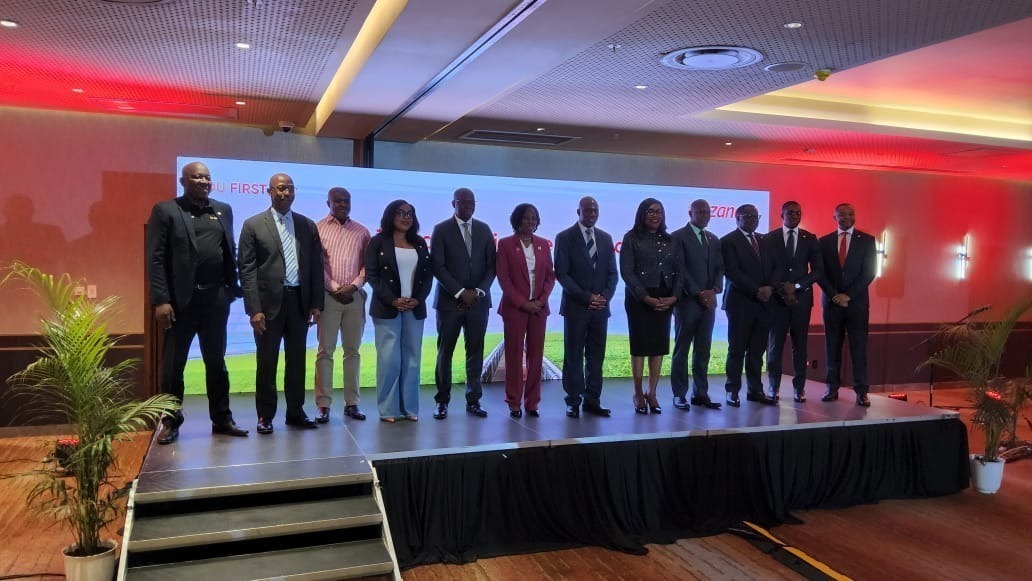
The Minister was speaking at the 2026 ZANACO Climate Finance Symposium held at the InterContinental Hotel in Lusaka on Friday in a speech read for him by Ministry Acting Permanent Secretary, Ranford Simumbwe.
He said climate change was increasingly shaping Zambia’s development choices, with its effects already being felt across agriculture, electricity generation, businesses and household livelihoods, as demonstrated by the 2023/24 drought.
According to figures cited by the Minister, approximately 9.8 million Zambians were affected by the drought, while 6.6 million faced severe food insecurity. Only 31 percent of the 2.2 million hectares planted with maize were harvested, according to the World Bank’s assessment of the 2023/24 drought.
“That experience reminds us that climate resilience is fundamentally an economic issue,” the minister said.
He said Government had therefore placed sustainable growth firmly within its development agenda through the Grow Zambia Agenda, which includes ambitious targets such as increasing maize production to 10 million tonnes, expanding electricity generation capacity to 10,000 megawatts, raising copper production to three million tonnes and growing tourist arrivals to five million annually.
Siame said expanding agricultural production required investment in irrigation, climate-smart farming and stronger value chains, while increased economic activity depended on reliable and diversified energy supplies.
He added that growing industries also required infrastructure capable of withstanding climate shocks.
“Let us leave with stronger projects, stronger partnerships and a clearer pathway for converting climate finance into real investment,” he said.
Siame commended the bank for convening the symposium and taking practical steps to mobilise financing through its US$100 million multi-currency Medium-Term Note Programme, which provides a platform for green, social and sustainability bond issuances.
Read More: Cedrus Group Africa pushes for greater investment in cross-border energy projects
ZANACO Chief Executive Officer, Mukwandi Chibesakunda, also called for stronger and more bankable climate projects to unlock financing for climate-smart agriculture in Zambia.
Chibesakunda said the 2026 symposium, held for the third consecutive year, was aimed at advancing practical discussions on mobilising climate finance for the country.
“This year’s theme, Creating Bankable Projects for Climate-Smart Agriculture, challenges participants to move beyond identifying climate solutions to ensuring that good projects are properly structured, commercially viable and ready to attract financing to take them to scale,” she said.
She said the symposium was particularly timely as COP31 was underway in Antalya, Turkey, with a Zanaco delegation participating in discussions on mobilising public, development and private capital for climate action.
“For Zambia, climate resilience is therefore not only about responding to extreme weather. It is about safeguarding our food security, protecting livelihoods and ensuring that our development ambitions remain achievable,” she said.
Chibesakunda said Zambia’s recent experience demonstrated the urgency of investing in climate resilience, citing the 2023/24 drought, which affected approximately 9.8 million people, with 6.6 million facing severe food insecurity.
She also warned of a strengthening El Niño phenomenon, which could increase the risk of drier conditions across Southern Africa.
Chibesakunda said ZANACO recognised the financial sector’s responsibility to support climate action, pointing to its US$100 million unsecured multi-currency Medium-Term Note Programme, approved by the Securities and Exchange Commission and the Lusaka Securities Exchange, which provides a platform for its inaugural Sustainability Bond.
She said ZANACO had developed an eligible sustainable finance project pipeline valued at approximately US$192.9 million, in addition to K56 million, covering renewable energy, solar installations, clean transportation, climate-smart agriculture and other eligible investments.
WARNING! All rights reserved. This material, and other digital content on this website, may not be reproduced, published, broadcast, rewritten or redistributed in whole or in part without prior express permission from ZAMBIA MONITOR.










Comments