
 By
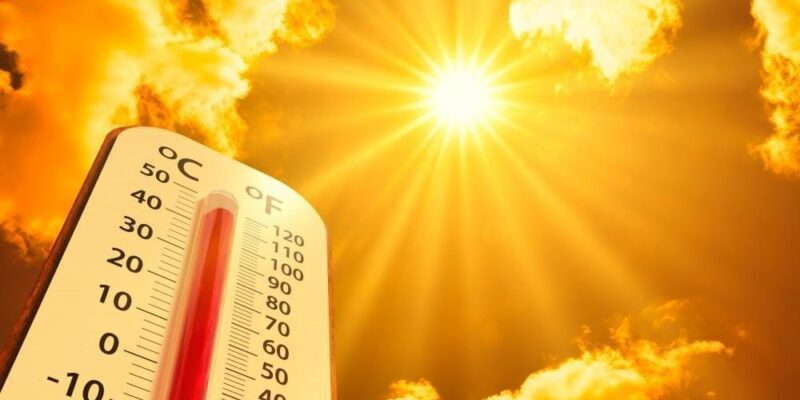
Zambia could experience more than 50 extremely hot days annually by the end of the century under a high-emissions scenario, increasing risks to agriculture, water resources and electricity generation, the International Monetary Fund (IMF) has warned.
In its report titled Zambia: Climate Change and Fiscal Risks, the IMF said the country’s average annual temperature could rise to 23.6 degrees Celsius under a low-emissions scenario and 25.8 degrees Celsius under a high-emissions scenario by around 2080.
Under the most severe high-emissions projections, average temperatures could exceed 26.8 degrees Celsius.
Read more: Met Department warns of frost, heat as Zambia enters seasonal weather shift
The report noted that the number of hot days, defined as days when maximum temperatures exceed 35 degrees Celsius, had been increasing since the early 2000s and was expected to rise further.
By the end of the century, Zambia could record about 28 hot days annually under a low-emissions scenario, compared with more than 50 days under a high-emissions scenario.
The IMF projected that annual rainfall would average between 930 and 970 millimetres by the 2070s, although a slight decline was expected.
However, the Fund cautioned that relatively stable average rainfall would not necessarily translate into lower climate risks, as the country was likely to experience longer dry spells interspersed with more intense rainfall events.
It said northern and central Zambia were projected to experience increases in maximum one-day rainfall, raising the risk of flash floods and putting additional pressure on drainage infrastructure.
In contrast, southern and western parts of the country were expected to experience longer consecutive dry periods between 2081 and 2100, increasing their exposure to drought.
The IMF warned that these changing weather patterns could have serious consequences for agricultural production and hydropower generation, particularly in southern Zambia, where significant farming activities and electricity-generating infrastructure were concentrated.
The projections underscore the growing need for climate adaptation measures to protect key economic sectors against rising temperatures, changing rainfall patterns and extreme weather events.
WARNING! All rights reserved. This material, and other digital content on this website, may not be reproduced, published, broadcast, rewritten or redistributed in whole or in part without prior express permission from ZAMBIA MONITOR.









Comments