
 By
By 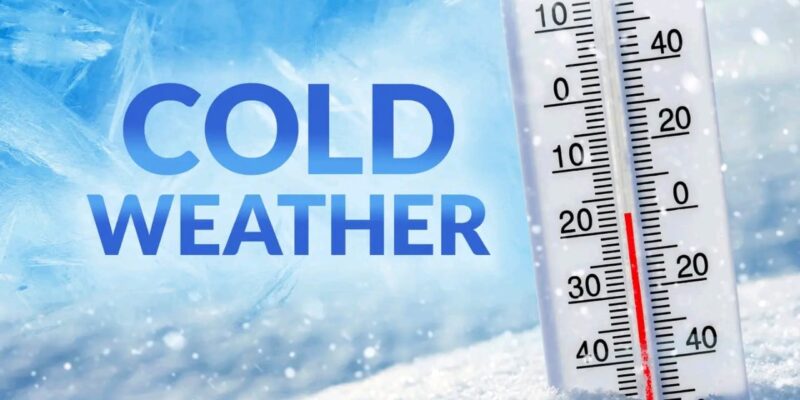
The Zambia Meteorological Department has warned that Zambia would experience its coldest conditions in July before transitioning to significantly warmer and drier weather from August through September, with authorities urging the public and key sectors to prepare for changing weather-related risks.
According to the department’s latest monthly temperature forecast, July will bring the highest risk of cold stress and localized frost, particularly during the night, while daytime temperatures will remain warmer than normal across most parts of the country.
“Lower night-time temperatures are expected in Ndola, Mkushi, Serenje, Mbala, Senga Hill, Pemba, Choma, Namwala, Mazabuka and Sesheke districts, increasing the likelihood of frost and cold-related impacts on people’s health, livestock and crops,” the department said.
Night temperatures during July are forecast to range between 6°C and 18°C, while daytime temperatures will range from 22°C to 32°C.
Read more: Zambians advised to brace for windy, cold weather from June 9-16
The department warned that the cold conditions could contribute to respiratory illnesses, livestock stress and frost damage to crops.
Health authorities have been advised to stock essential medicines and intensify public awareness campaigns on safe heating practices.
Members of the public have also been cautioned against sleeping in enclosed spaces with charcoal braziers burning because of the risk of carbon monoxide poisoning and suffocation.
Farmers have been encouraged to protect crops in frost-prone areas through appropriate irrigation and other mitigation measures, while livestock owners are advised to provide adequate shelter, windbreaks and supplementary feed.
The department said weather conditions would begin changing in August as temperatures rise and the country became increasingly dry.
“During the month, night-time temperatures are expected to range between 10°C and 19°C, while daytime temperatures will increase to between 24°C and 34°C,” it said.
The warmer and drier conditions are expected to accelerate soil moisture loss, increase evaporation and heighten the risk of bush fires and afternoon heat stress.
To minimise these risks, the department urged disaster management authorities to strengthen fire prevention measures, maintain firebreaks and promote controlled early burning.
It also encouraged water conservation and close monitoring of dam levels as pressure on water resources increased.
Farmers have been advised to maintain irrigation and closely monitor soil moisture to reduce the impact of the dry conditions.
By September, Zambia is expected to enter a much hotter phase, with daytime temperatures ranging between 26°C and 37°C and some areas likely to record even higher temperatures.
The northeastern, southern and western parts of the country are expected to experience the most rapid warming, accompanied by increased evaporation, fast-drying soils and a heightened risk of veld fires.
The department advised the public to drink plenty of water during hot afternoons, avoid unnecessary exposure to extreme heat and refrain from activities that could ignite bush fires.
Overall, the Meteorological Department said the country should prepare for cool to cold nights and warm afternoons during the remainder of July before increasingly warm to hot and dry conditions prevail throughout August and September.
WARNING! All rights reserved. This material, and other digital content on this website, may not be reproduced, published, broadcast, rewritten or redistributed in whole or in part without prior express permission from ZAMBIA MONITOR.









Comments