
 By
By 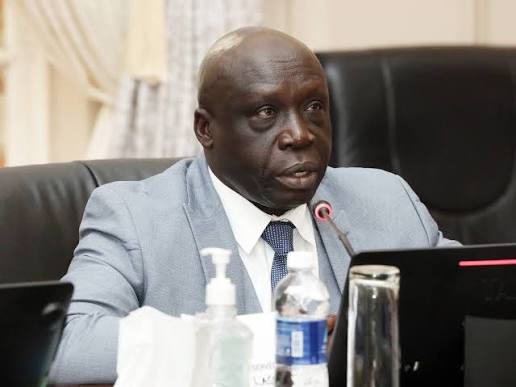
Zambia has begun a two-day national consultation to shape the next five-year health strategy, with stakeholders tasked to build a plan that responds to climate change, digital transformation, and a shifting disease burden.
The National Stakeholder Consultative Meeting on the Development of the National Health Strategic Plan (NHSP) 2027–2031 opened Wednesday at the Mulungushi International Conference Centre in Lusaka, convened by the Ministry of Health.
The consultation comes as Zambia implements the National Health Policy 2026, which sets out a vision of “A Nation of Healthy and Productive People” and prioritizes equity, decentralization, quality and resilience.
In his address, World Health Organization (WHO) Representative Dr. Clement Peter Lasuba said the process should go beyond paperwork and the meeting was more than a planning exercise.
“It is an opportunity to reflect on achievements, learn from experience, address persistent challenges, and define a practical and transformative path for the future of health in Zambia,” he said.
Lasuba noted that recent progress had depended on strong leadership, aligned partnerships and community engagement, but warned that sustainable gains will require financing, workforce capacity, supply chains and data systems.
He outlined six priority areas for the new plan such as the need for strong Primary Health Care as the foundation for Universal Health Coverage and health security, and Digital transformation to strengthen service delivery.
Also mentioned are surveillance, supply chains and decision-making; Decentralization to empower provinces, districts and communities.
Other priorities listed include climate-resilient health systems, health security and emergency preparedness, and addressing communicable diseases, maternal and child health, noncommunicable diseases, mental health and injuries.
Linking the consultation to global commitments, Lasuba said the meeting reflected the Lusaka Agenda’s call for country leadership and sustainable financing.
“This consultation reflects the principles of the Lusaka Agenda, which calls for stronger country leadership, sustainable financing, greater investment in primary health care, partner alignment, equity, and accountability,” he stated.
Read More: Cooperating partners seek decisive action in 2027–2029 health budget plan
Lasuba said the organization’s support over the next five years would be guided by its Fourteenth General Programme of Work, focusing on primary health care, Universal Health Coverage, digital health, climate resilience and emergency preparedness.
He also reaffirmed WHO’s commitment to pandemic prevention and One Health approaches.
“We will also continue supporting efforts to strengthen pandemic prevention, preparedness and response through improved surveillance, laboratory capacity, emergency operations, resilient supply chains, risk communication, and One Health approaches,” Lasuba said.
He said the NHSP 2027–2031 was positioned as a key instrument for achieving Zambia’s Vision 2030 targets and that the plan should be future-oriented to account for technological advances, urbanization and new public health threats.
Lasuba urged participants to be both ambitious and realistic as they reviewed the draft over the next two days, emphasizing evidence and community realities.
WARNING! All rights reserved. This material, and other digital content on this website, may not be reproduced, published, broadcast, rewritten or redistributed in whole or in part without prior express permission from ZAMBIA MONITOR.









Comments