
 By
By 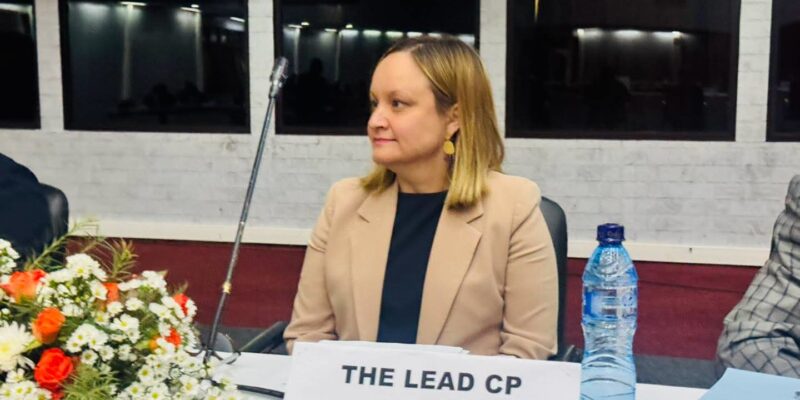
Zambia’s Health Cooperating Partners Group has called for decisive budgetary action as the country kicks off national planning for the 2027–2029 Medium-Term Budget Plan.
United Nations Populations Fund Agency (UNFPA) Deputy Country Representative, Anna Holmstrom warning that climate change was now an active public health emergency.
Holmstrom said this at Mulungushi International Conference Centre in Lusaka on Tuesday during the national planning launch for the 2027–2029 Medium-Term Budget Plan.
She said partners welcomed the opportunity to review 2026 performance and align priorities for the next three years under the theme “Investing in Building a More Resilient, Equitable, and People-Centred Health System for All Zambians.”
Holmstrom reaffirmed partners commitment to walk side-by-side with Government through the Ministry of Health to translate the vision into tangible realities and achieve Universal Health Coverage by starting with those furthest behind.
She also highlighted the Government’s increased domestic health financing and infrastructure expansion, noting construction of mini-hospitals, health posts, and commissioning of medical oxygen plants, alongside recruitment of health workers and strengthening of supply chain systems.
“Climate change is no longer a theoretical line item or a distant threat – it is an active, destructive public health emergency. We can no longer abide a passive approach that funds disaster relief after the damage is done,” Holmstrom said.
She identified persistent bottlenecks in commodity procurement and last-mile distribution, fragmented digital health systems, and gaps between approved budgets and actual releases as structural challenges slowing momentum.
The UNFPA Deputy Country Representative urged planners to move away from isolated digital pilots and invest in unified, interoperable systems that streamline patient care and supply-chain visibility.
“Reactive funding is, by definition, failed funding, and we must therefore stop treating predictable epidemiological outbreaks as administrative surprises. The 2027–2029 medium-term framework must permanently carve out solid, non-discretionary, and flexible contingency lines for the national disease surveillance,” she said.
Holmstrom stressed that macro-fiscal pressures and electoral cycles must not compromise care for vulnerable populations, calling on planners to firewall health allocations against shifting political priorities.
She stated that cooperating partners remained fully committed to aligning technical and financial resources behind a robust, singular national plan to ensure uninterrupted essential services even during environmental disruption.
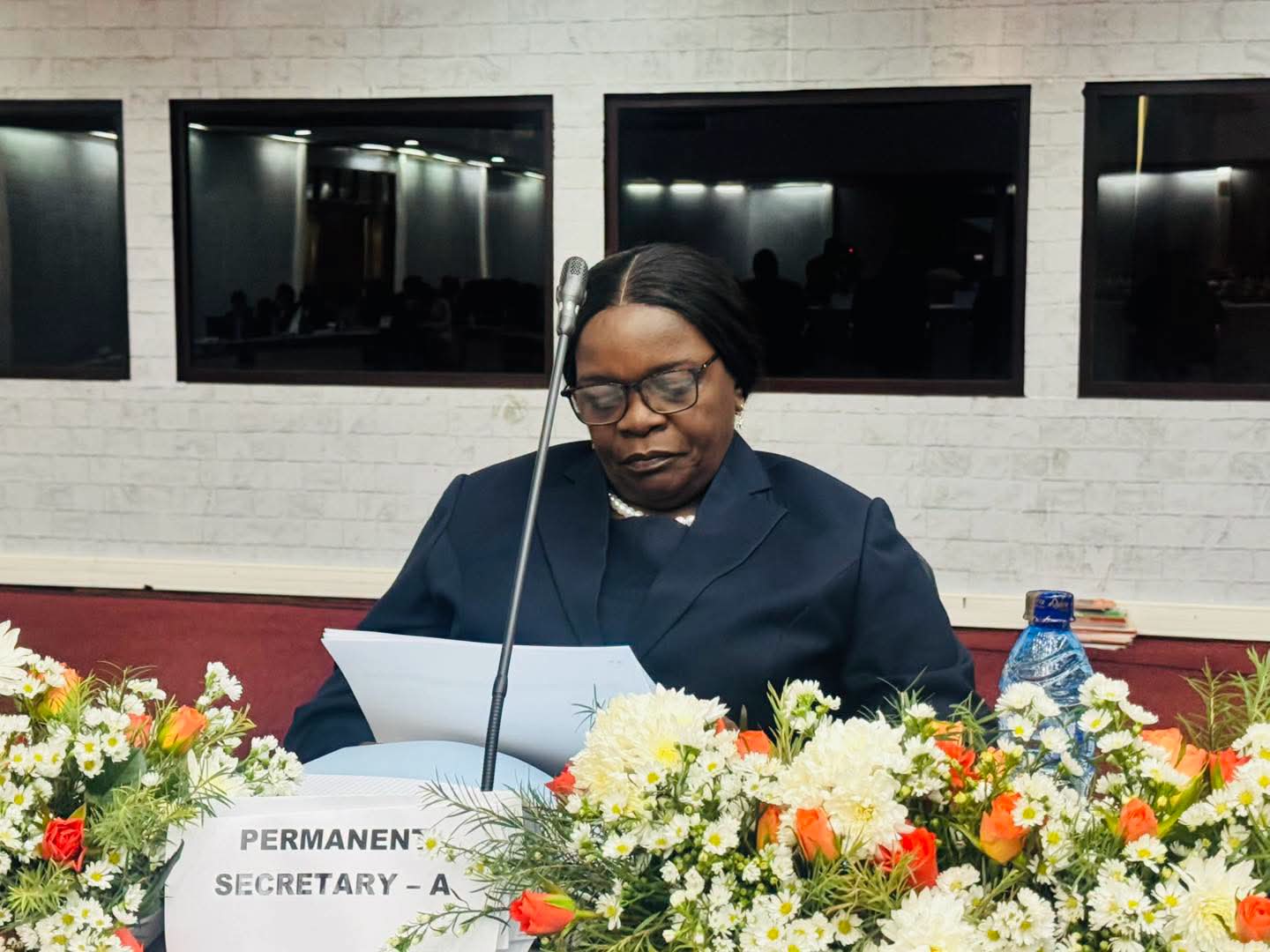
Ministry of Health Permanent Secretary for Administration Joma Simuyi emphasized that the country’s health system should be designed to withstand future shocks while ensuring fairness in access to services across the country.
Simuyi called for investment in a more resilient, equitable and people-centered health system for all Zambians.
Read More: Govt urged to sustain momentum in expanding healthcare infrastructure
She stated that planning should focus on a system that responds directly to the needs of communities, resilient, equitable, people-centred, and responsive to emerging health challenges.
Simuyi noted that stakeholders would review performance under the 2022–2026 National Health Strategic Plan, identify existing gaps and agree on priority interventions for the next budget cycle.
“Your presence here today demonstrates our shared commitment to strengthening Zambia’s health sector and improving the well-being of our people through collaboration, innovation, and strategic investment,” she said.
Simuyi added that the process would align budget allocations with Zambia’s National Health Compact 2026–2030 and the national push for Universal Health Coverage.
She called for unity among government, partners and communities as the Ministry finalized budget proposals for 2027.
WARNING! All rights reserved. This material, and other digital content on this website, may not be reproduced, published, broadcast, rewritten or redistributed in whole or in part without prior express permission from ZAMBIA MONITOR.









Comments