
 By
By 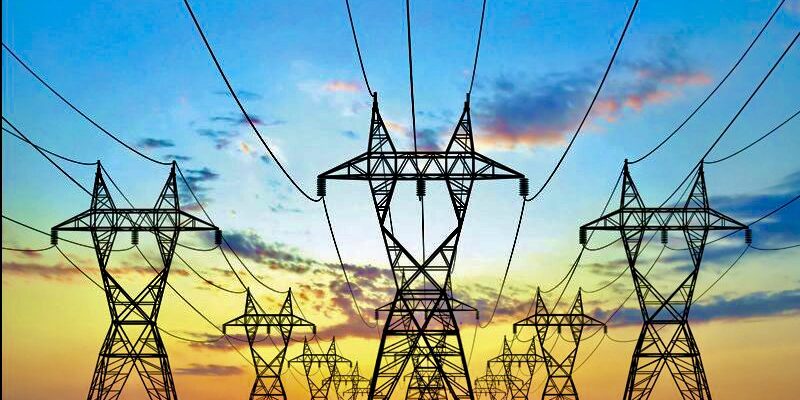
The Zambian Government has announced the launch of a 15-year Grid Resilience Programme, a national infrastructure initiative that converts fiscal gains from sovereign debt management into long-term investment in the energy sector.
Secretary to the Treasury, Felix Nkulukusa, stated that the programme would be funded through savings unlocked by the successful repurchase of Zambia’s outstanding US$ 1.365 billion 2053 Bond B Notes.
In a statement issued in Lusaka on Wednesday, Nkulukusa said The debt transaction was supported by a US$ 600 million facility from the African Development Bank and US$ 550 million from the Bank of Zambia.
“Under the debt-for-energy conversion framework, the government will channel US$ 275 million over the next 15 years into upgrading the country’s electricity distribution network,” he said.
Nkulukusa described the programme as one of the most significant examples of debt conversion into productive infrastructure investment in recent economic history.
He stated that the Grid Resilience Programme was positioned as the centerpiece of Zambia’s strategy to ensure reliable, affordable and resilient electricity.
Nkulukusa noted that stable power supply was fundamental to economic growth, job creation, industrialisation and improved living standards.
“Power supply remains critical to the expansion of mining, agriculture, manufacturing, tourism, digital services and the SME sector. The network also underpins households, schools, health facilities and other public services across the country,” he said.
Nkulukusa said investments would target reducing technical losses, eliminating network bottlenecks, improving system reliability and expanding access to underserved communities and businesses.
He said renewable energy projects, including solar generation and battery storage, would be integrated to build a more climate-resilient energy mix.
“The programme reflects the Government’s commitment to the provision of reliable, affordable, and resilient electricity, features that are fundamental to economic growth, job creation, industrialisation, and improved living standards,” Nkulukusa stated.
Read More: South Korean firm finalizes 500MW Power Purchase Agreement with ZESCO
He added that as Zambia pursues ambitions to become a regional energy hub and increase copper production, a modern electricity network would be essential to sustaining industrial expansion and attracting investment.
“By modernizing distribution infrastructure, the country will be better positioned to manage future supply shocks, better facilitate regional power trading within the Southern African Power Pool, and optimise electricity imports and exports when necessary,” Nkulukusa said.
He noted that the programme was also expected to support broader national objectives including private-sector development, employment creation and enhanced competitiveness and a stronger grid was expected to help Zambia diversify the economy beyond copper.
“The Government of the Republic of Zambia takes this opportunity to express its sincere appreciation to the African Development Bank for its continued partnership and confidence in the country’s reform agenda,” he noted.
Nkulukusa said implementation would be overseen by ZamGridCo, a newly established entity and would operate under a dedicated governance framework with a board comprising private-sector representatives alongside government nominees.
WARNING! All rights reserved. This material, and other digital content on this website, may not be reproduced, published, broadcast, rewritten or redistributed in whole or in part without prior express permission from ZAMBIA MONITOR.









Comments