
 By
By 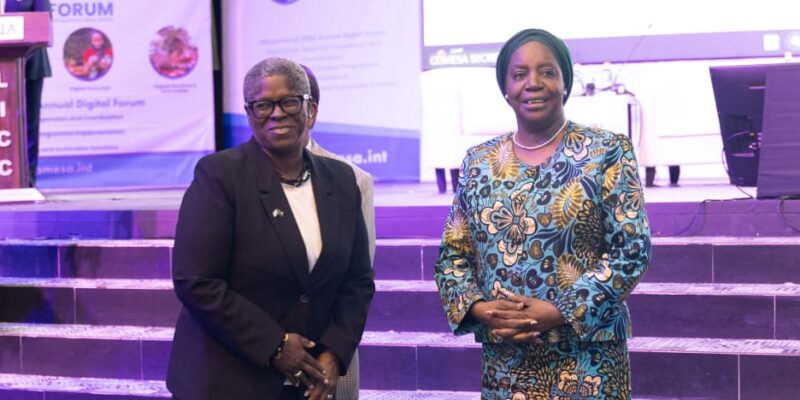
The World Bank has warned that millions of Africans risk being left behind as Artificial Intelligence (AI) and other digital technologies rapidly reshape economies, calling for urgent investment in affordable internet access, digital infrastructure and digital skills to bridge the continent’s widening digital divide.
Speaking at the inaugural Inclusive Digitalisation in Eastern and Southern Africa (IDEA) Annual Digital Forum at Ciela Resort in Chongwe on Monday, World Bank Zambia Country Manager, Martine Valcin, said while Africa was making notable progress in digital transformation, many communities—particularly in rural areas—remained excluded because of poor connectivity and the high cost of accessing digital services.
Valcin said affordable internet access and digital inclusion had become increasingly important as AI and other emerging technologies transformed the way people work, learn and do business.
Read more: Techbytes: Somalia raises security concerns over WhatsApp username feature
“To unlock that potential, we must invest in the digital infrastructure that connects people to markets, services, knowledge and opportunity,” she said.
She noted that millions of people were still unable to participate fully in the digital economy because of expensive internet-enabled devices, limited digital skills and unequal access to technology, especially among women.
Valcin said addressing those barriers would be essential if countries were to ensure that the benefits of the digital revolution were shared broadly rather than concentrated among a few.
She said the World Bank-backed Inclusive Digitalisation in Eastern and Southern Africa (IDEA) programme was created to help tackle those challenges through investments in digital infrastructure, digital skills, digital public platforms and policy reforms across 15 countries.
The eight-year initiative, valued at US$2.5 billion, aims to provide internet access to 180 million people and deliver digital services to 100 million people, with women expected to account for half of the beneficiaries by 2032.
Valcin said expanding affordable, safe and accessible digital services would require stronger collaboration among governments, the private sector and development partners, as well as greater regional cooperation.
She added that improved digital infrastructure would not only expand internet connectivity but also stimulate job creation, support businesses and unlock economic opportunities for Africa’s rapidly growing youth population.
WARNING! All rights reserved. This material, and other digital content on this website, may not be reproduced, published, broadcast, rewritten or redistributed in whole or in part without prior express permission from ZAMBIA MONITOR.












Comments